English
 English

Uttar Pradesh govt presents first-ever Economic Survey, lays out USD1 trillion economy roadmap. (Img: X)
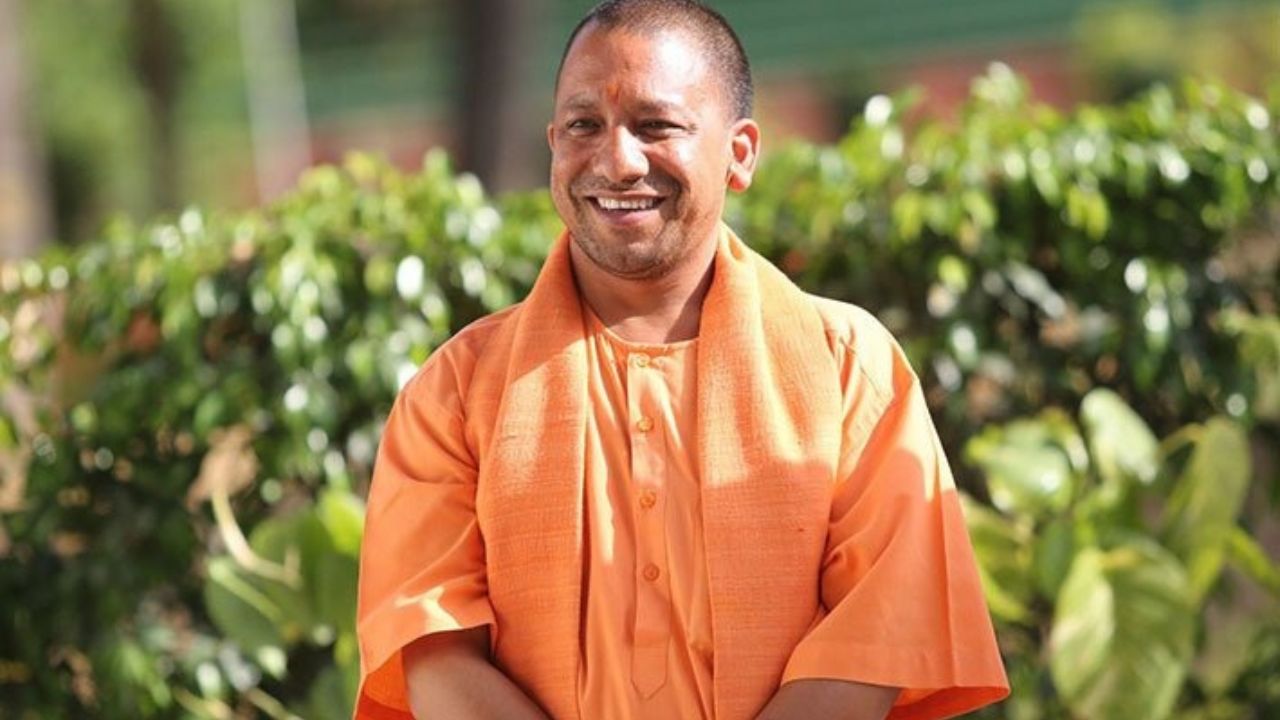
Lucknow: Uttar Pradesh Chief Minister Yogi Adityanath has highlighted the state’s infrastructure transformation since 2017, pointing to the expansion of expressways, airports and metro connectivity as key drivers of economic growth. The development push, he said, is improving mobility, strengthening market access and creating fresh opportunities for businesses, farmers and young people.
In a message shared on social media platform X on October 29, the chief minister emphasised that road, rail, metro and air connectivity are no longer merely about reducing travel distances. According to him, improved transport infrastructure also saves time, enhances convenience and creates new avenues for economic prosperity across Uttar Pradesh.
Adityanath contrasted the state's transport infrastructure before 2017 with the expansion achieved under the BJP-led double-engine government, which he credited with accelerating development through the approach of speed, scale and connectivity.
He stated that Uttar Pradesh had only around one and a half expressways before the change in government, whereas 10 expressways are now operational. The expansion of high-speed road corridors has strengthened connectivity between major cities, industrial centres, agricultural regions and emerging economic hubs.
Expressways are important to freight movement and logistics efficiency because they can reduce journey times, improve access to markets and support the movement of goods between production centres and consumption hubs. For Uttar Pradesh, these corridors also offer opportunities to attract industrial investment and encourage the development of businesses along major transport routes.
The chief minister also highlighted the expansion of aviation infrastructure, stating that Uttar Pradesh now has 12 domestic and five international airports.
He contrasted this network with the limited air connectivity available to a handful of cities before 2017, presenting the expansion as a significant step towards improving regional accessibility.
Greater air connectivity can support tourism, business travel, cargo movement and investment by reducing travel barriers between Uttar Pradesh and domestic and international destinations. The benefits, however, depend on operational capacity, flight frequency, passenger demand and the availability of supporting infrastructure.
Metro connectivity was another major component of the chief minister's infrastructure assessment. Adityanath said that metro services, which were absent from the state before 2017, are now providing urban transport connectivity in seven cities.
Urban rail systems can ease pressure on road networks, improve commuting efficiency and provide an alternative to private vehicles. Better public transport connectivity can also strengthen access to educational institutions, commercial districts, healthcare facilities and employment centres.
As Uttar Pradesh's urban centres expand, integrated transport planning and effective links between metro systems, buses, railways and other modes of mobility will remain important to ensuring that infrastructure improvements translate into practical benefits for commuters.
Adityanath said improved connectivity was helping farmers access larger markets for their produce while creating fresh opportunities for entrepreneurship. Better transport links can help reduce logistical barriers between agricultural production centres, wholesale markets, food-processing units and urban consumers. For businesses, stronger connectivity can improve supply-chain efficiency and make industrial locations more accessible.
The chief minister also highlighted the potential benefits for young people, saying that access to education and employment was becoming easier. Reduced commuting times can help working professionals and students, while improved regional connectivity can widen access to jobs and training opportunities.
Tourism is another sector expected to benefit from better transport infrastructure. Improved road, rail and air links can make religious destinations, heritage sites and other tourist attractions more accessible, potentially supporting local businesses and livelihoods.
The chief minister presented infrastructure expansion as part of the broader vision of New Uttar Pradesh within New India. He said development was creating opportunities across sectors, strengthening enterprise and contributing to the prosperity of families in villages, towns and cities.
The emphasis on connectivity reflects a wider development strategy in which transport infrastructure is intended to support industrial activity, urbanisation, tourism and employment generation. However, the long-term impact of this expansion will also depend on infrastructure maintenance, affordable access, last-mile connectivity, road safety, reliable public transport and the ability to generate sustained economic activity around new transport corridors.
Adityanath's latest remarks underscore the state government's emphasis on connectivity as a foundation for development. The next challenge is to ensure that infrastructure growth translates into inclusive economic opportunities and measurable improvements in the lives of people across Uttar Pradesh.