English
 English

Indian markets fall as foreign investors exit and crude oil prices rise, while Pakistan’s stocks gain, says CA Arun Nagarwal.
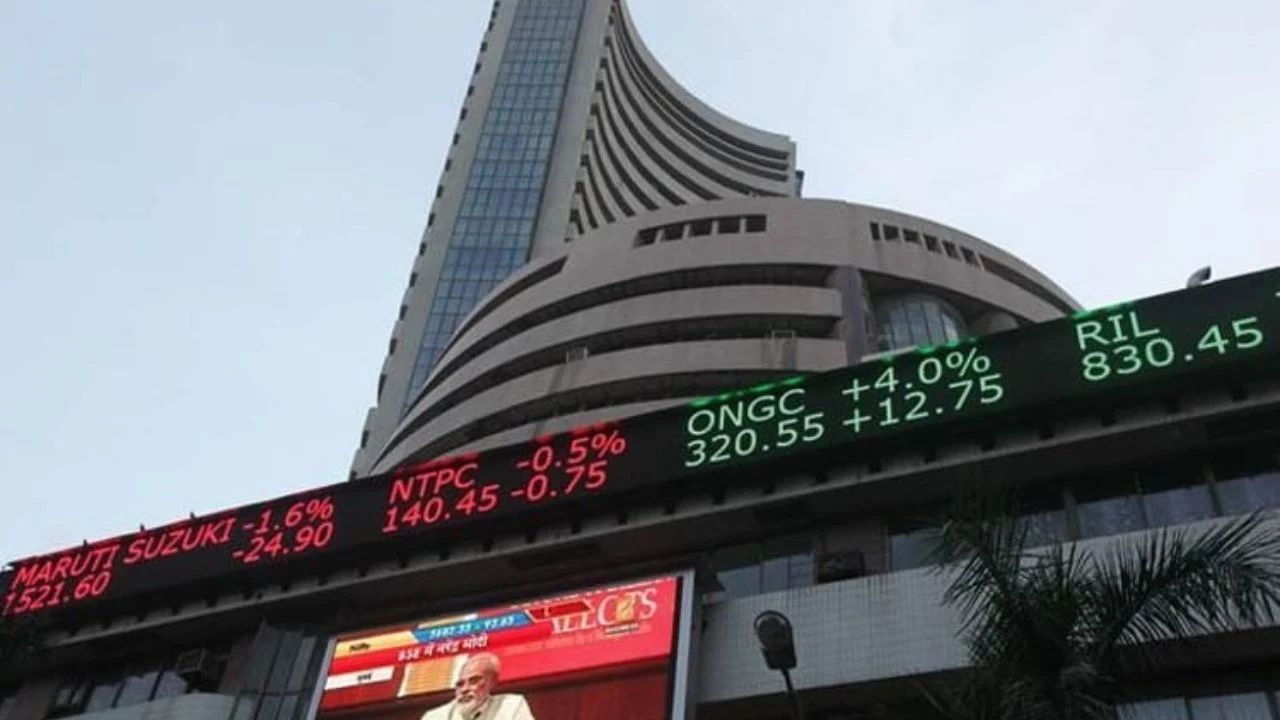
New Delhi: India’s stock market has reportedly fallen by more than 10% over the past year, while Pakistan’s stock market has gained over 3% during the same period. The contrasting performance has raised questions about the factors weighing on Indian equities and supporting Pakistan’s market.
Two major factors cited in the comparison are foreign investor outflows from Indian equities and rising crude oil prices, which can affect corporate earnings, inflation and investor sentiment.
View this post on Instagram
Foreign investor selling has been a significant source of pressure on Indian equities in 2026. When foreign portfolio investors withdraw money from the market, sustained selling can push share prices lower and weaken investor confidence.
Foreign portfolio investors withdrew Rs 35,860 crore from Indian equities in September alone, according to market reports. Global uncertainty, elevated US interest rates and rising crude oil prices have contributed to concerns among investors.
The comparison cites foreign investor withdrawals of $16.4 billion from the Indian market. The exact figure depends on the period and investment category being measured and should be verified against official market data before publication.
Rising crude oil prices are another factor that can weigh on India’s stock market. The cited comparison puts crude oil prices at around $72 per barrel in February 2026, rising to approximately $103 per barrel in September.
India imports a substantial portion of its crude oil requirements, making its economy vulnerable to sharp increases in international oil prices.
Higher crude prices increase the country’s import bill and can put pressure on the rupee and inflation. They can also raise transportation, manufacturing and operating costs for businesses, potentially reducing corporate profit margins.
When companies face higher costs and uncertainty over future earnings, investors may become more cautious, adding pressure to stock prices. Rising oil prices and foreign investor selling have both been identified as factors affecting Indian equities.
Pakistan’s stock market has reportedly delivered a return of more than 3% over the same one-year period, contrasting with the decline in Indian equities.
However, the difference in returns alone does not establish why Pakistan’s market has performed differently. A meaningful comparison would require the same measurement dates, comparable indices and consideration of currency movements, valuations, corporate earnings, interest rates and domestic economic conditions.
The performance of a stock market reflects several factors, including investor expectations, monetary policy, company profitability and global capital flows. Foreign investor activity and oil prices are important considerations, but they do not independently explain the entire difference between the two markets.
The direction of crude oil prices, foreign portfolio investment flows, corporate earnings and global interest rates will remain important factors for Indian equities.
A sustained increase in energy costs could put additional pressure on inflation and businesses, while a return of foreign investment could help support market sentiment. However, future performance will depend on a combination of domestic and international developments.
Disclaimer: The market comparison and figures cited in this article are attributed to CA Arun Nagarwal.