English
 English

RBI Governor Sanjay Malhotra announces the repo rate decision (Img: Pinstrest)
New Delhi: The Reserve Bank of India (RBI) has raised the repo rate by 25 basis points to 5.50 per cent, marking the central bank’s first interest rate hike in nearly four years.
The decision was taken by the Monetary Policy Committee (MPC) on Wednesday, October 7, amid rising inflationary pressures, higher crude oil prices and a challenging global economic environment.
Also Read: RBI Governor Sanjay Malhotra reacts to IDFC First Bank fraud; Assures banking stability
The latest increase takes the benchmark repo rate from 5.25 per cent to 5.50 per cent. The previous rate hike came in February 2023, when the RBI increased the repo rate by 25 basis points to 6.50 per cent.
The repo rate has been increased from 5.25% to 5.50%. All members of the Monetary Policy Committee (MPC) voted in favour of the rate hike
#MPC @RBI
— Dynamite News (@DynamiteNews_) October 7, 2026
The rate decision comes after the RBI had kept the repo rate unchanged at 5.25 per cent during its previous four policy reviews. Expectations of a hike had strengthened in recent weeks as inflationary pressures increased and several global central banks moved towards tighter monetary policy.
Inflation has emerged as a key concern for policymakers. Higher global crude oil prices have added to worries about imported inflation, while a weak monsoon has also raised concerns about food prices and agricultural output.
Brent crude was trading above $101 per barrel on Wednesday, adding pressure to India's import bill and the broader inflation outlook. The rupee was also being closely watched ahead of the policy announcement.
The RBI's decision also comes against a backdrop of elevated global bond yields and geopolitical uncertainty, factors that have been weighing on emerging-market currencies and capital flows.
RBI Governor Sanjay Malhotra announces the decisions of the Monetary Policy Committee meeting held from October 5 to 7. The RBI has raised the policy interest rate by 25 basis points.
@RBI @SmalhotraRBI #RBI #Governor
— Dynamite News (@DynamiteNews_) October 7, 2026
A higher repo rate can increase borrowing costs across the financial system, depending on how banks and lenders transmit the policy change to customers.
Home loan, personal loan and other floating-rate borrowers could see higher interest costs if lenders increase their lending rates following the RBI's decision. Deposit rates may also change as banks adjust their interest-rate structures.
The impact on individual borrowers, however, will depend on the type of loan, the lender's benchmark and the timing and extent of any rate adjustment.
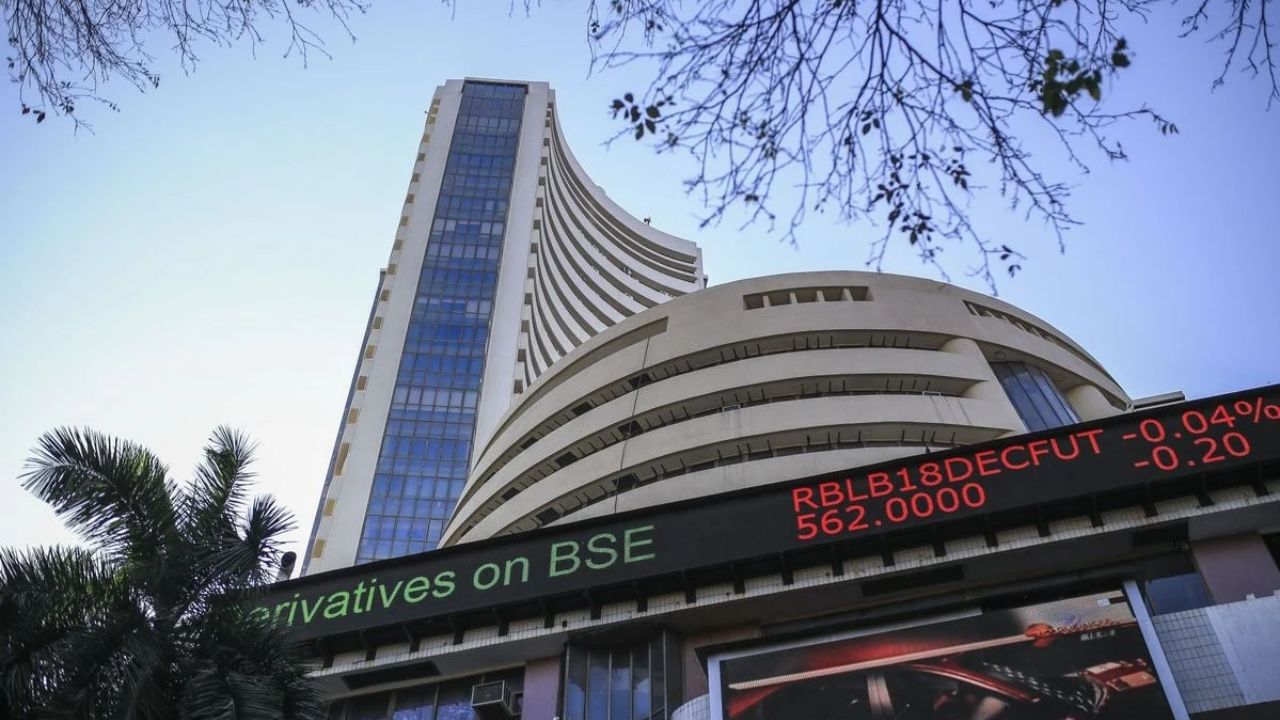
Indian equities had opened lower on Wednesday ahead of the RBI decision, with rate-sensitive sectors such as banks, financials, auto and realty under pressure. The Nifty 50 and Sensex were down during early trade as investors assessed the possibility of tighter monetary policy.
The rupee, meanwhile, edged higher before the announcement, although analysts said the RBI's guidance on the future policy path could be more important for currency markets than the size of the rate hike itself.