English
 English

UP hospital pharmacy audit uncovers striking gaps between medicine procurement costs and printed MRPs. (Img: Pinterest)
Lucknow: A price audit of medicines sold through hospital pharmacies in Uttar Pradesh has uncovered striking disparities between their procurement costs and printed maximum retail prices (MRPs), with some medicines found to be priced several dozen times higher than what hospitals paid to procure them.
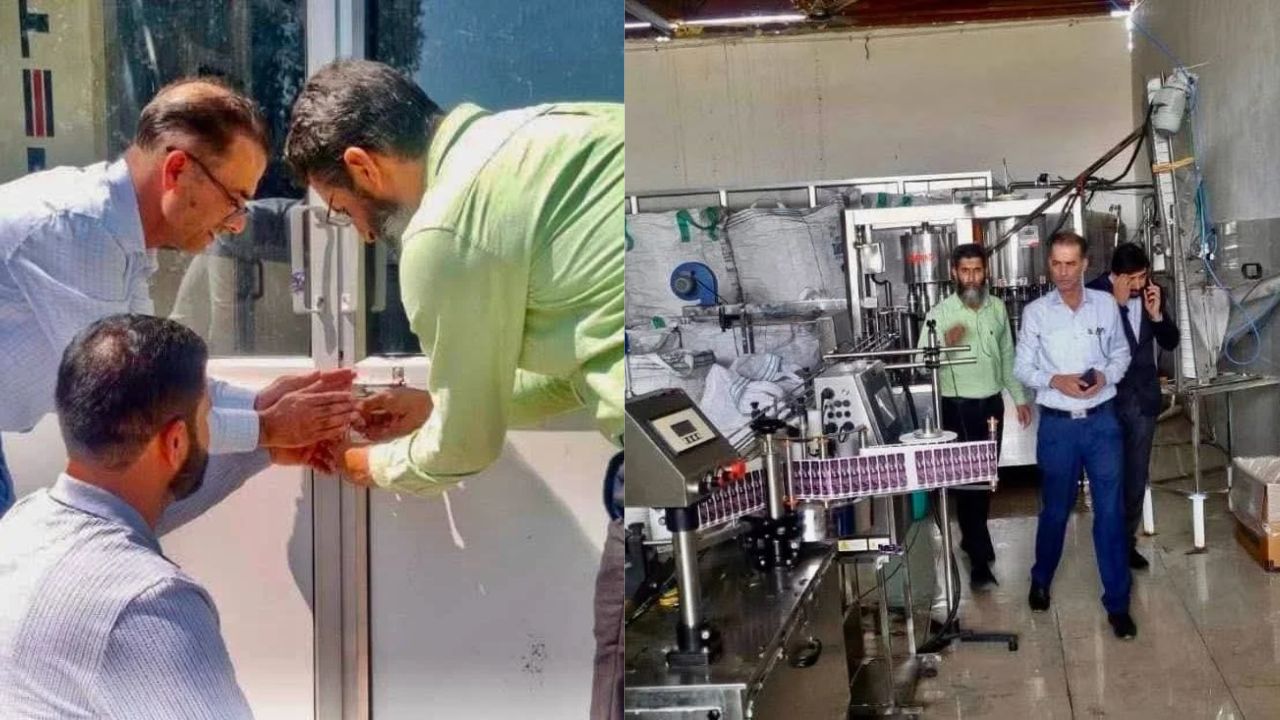
The inspection, carried out by the Uttar Pradesh Food Safety and Drug Administration (UPFSDA), covered 214 hospital pharmacies, including those attached to medical colleges and private healthcare institutions. Officials examined the pricing of 130 medicines during the exercise.
The findings revealed that in the case of 36 medicines, the printed MRP was more than ten times the price at which the products had been procured by the hospitals.
### Polymyxin-B Shows Nearly 67-Fold Price Gap
One of the largest gaps was detected in the case of Polymyxin-B injection, an antibiotic used in the treatment of serious bacterial infections. A particular formulation was reportedly procured for around ₹74, while the MRP printed on the product was close to ₹4,981—nearly 67 times the procurement price.
Another variant of the same medicine was purchased for approximately ₹90 but carried an MRP exceeding ₹4,500.
### Critical Care Medicines Also Show Major Differences
The audit also identified substantial price differences involving other medicines used in critical care. Terlipressin, prescribed for certain life-threatening conditions, was procured for around ₹56 while its MRP was approximately ₹3,050.
Similarly, colistimethate sodium, an antibiotic commonly reserved for severe infections caused by drug-resistant bacteria, was reportedly bought for about ₹210, whereas the MRP was above ₹9,700.
Price variations were also noticed among different brands of meropenem, a broad-spectrum antibiotic frequently administered in hospitals for serious infections. Depending on the brand, the difference between procurement cost and MRP ranged from more than five times to around ten times.
### Cancer Medicine Bevacizumab Among Drugs Under Scrutiny
The audit found that the issue extended beyond antibiotics. Medicines used in specialised treatment, including cancer care, also showed significant differences.
Bevacizumab, a drug used in the treatment of several cancers, was reportedly procured at about ₹7,541 for a 400 mg dose, while the corresponding MRP was close to ₹70,000. The difference translated into a gap of more than ₹62,000 per unit.
### Hospital Consumables Also Show Price Markups
Hospital consumables and medical devices were also found to have sizeable markups. A three-way stopcock, for instance, was procured for approximately ₹6.40 but carried a printed MRP of around ₹163.
### UPFSDA Examines Pricing Discrepancies
The findings have raised concerns over the manner in which medicines and medical supplies are priced within hospital pharmacies, particularly because patients undergoing treatment may have limited scope to compare prices or seek cheaper alternatives.
The UPFSDA is examining the discrepancies and the regulatory issues arising from the inspection. The findings also assume significance against the backdrop of growing scrutiny of medicine pricing and the margins charged at different stages of the healthcare supply chain.
The substantial differences between procurement costs and printed MRPs are likely to intensify questions over whether existing pricing mechanisms adequately safeguard patients from excessive charges, especially in hospitals where medicines are often purchased under urgent medical circumstances.