 English
 English

New cancer hope arrives, but the Rs 38 lakh price tag sparks a global debate
Washington: For decades, pancreatic cancer has remained one of the most challenging battles in oncology. Now, a newly approved targeted therapy has created fresh hope by delivering a significant survival benefit for patients with advanced disease.
The medicine, daraxonrasib, marketed in the United States as Rasonque, has received approval from the US Food and Drug Administration (FDA) after a major clinical trial showed that it helped patients survive significantly longer compared with standard chemotherapy. However, alongside the scientific breakthrough, another major question has emerged: affordability.
With a reported US list price of nearly Rs 38 lakh for a 30-day supply, the drug has triggered a global debate over whether the latest cancer breakthroughs can reach patients beyond high-income healthcare systems.
For India, where cancer treatment already places a heavy financial burden on many families, the key question is not only whether the drug works, but whether patients will eventually be able to access it.
Pancreatic cancer remains one of the deadliest forms of cancer because it often progresses silently and is diagnosed only after reaching an advanced stage.
By the time many patients develop noticeable symptoms, the disease may have already spread to other parts of the body, limiting treatment options and reducing the possibility of curative surgery.
For patients with metastatic pancreatic cancer, treatment choices after initial therapies stop working have historically been limited. This is why the approval of daraxonrasib has drawn global attention.
The drug is not being considered a cure for pancreatic cancer, but it represents a new targeted treatment option for a specific group of patients whose cancer has progressed despite previous therapies.
Survival Nearly Doubled: Clinical Trial
The approval was based on results from the Phase 3 RASolute 302 clinical trial involving 500 patients with previously treated metastatic pancreatic adenocarcinoma. The participants were divided into two groups: those receiving daraxonrasib and those receiving standard chemotherapy selected by their treating doctors.
The results showed that median overall survival among patients receiving daraxonrasib was 13.2 months, compared with 6.7 months among those receiving standard chemotherapy. The drug also showed improvement in other important treatment outcomes.
Patients receiving daraxonrasib recorded a median progression-free survival of 7.2 months, compared with 3.6 months for chemotherapy. The objective response rate was 30 percent with daraxonrasib, compared with 11% among chemotherapy patients.
For a cancer type where survival improvements have historically been difficult to achieve, researchers consider these findings significant.
However, doctors caution that median survival numbers represent outcomes across a patient population and do not predict exactly how long an individual patient will live. Treatment response depends on several factors, including tumour biology, overall health, previous therapies and molecular characteristics.
The biggest scientific importance of daraxonrasib lies in its ability to target the RAS family of proteins. RAS proteins play a crucial role in controlling signals responsible for cell growth and division. When mutations disrupt this pathway, cancer cells can receive continuous signals that encourage uncontrolled growth.
KRAS, one of the most important members of the RAS family, is frequently associated with pancreatic cancer. For decades, scientists considered RAS one of the most difficult cancer targets to attack. Although researchers understood its role in tumour development, creating medicines capable of blocking this pathway effectively proved extremely challenging.
Daraxonrasib represents a new generation of RAS-targeting medicines designed to interfere with cancer-driving signals. Its approval could have implications beyond pancreatic cancer, potentially influencing future treatments for other RAS-driven cancers, including certain lung and colorectal cancers.
While the scientific achievement has generated excitement, the reported price of the drug has created a separate conversation. The US wholesale acquisition cost of Rasonque is approximately $39,800 for a 30-day supply, translating to nearly Rs 38 lakh per month. At the listed US price, a full year of treatment could cost close to Rs 4.5 crore.
However, the US list price does not necessarily represent the amount every patient pays. Insurance coverage, negotiated discounts, reimbursement systems and patient-support programmes can significantly reduce the final out-of-pocket expense for some patients. Despite this, the headline price has raised concerns in India.
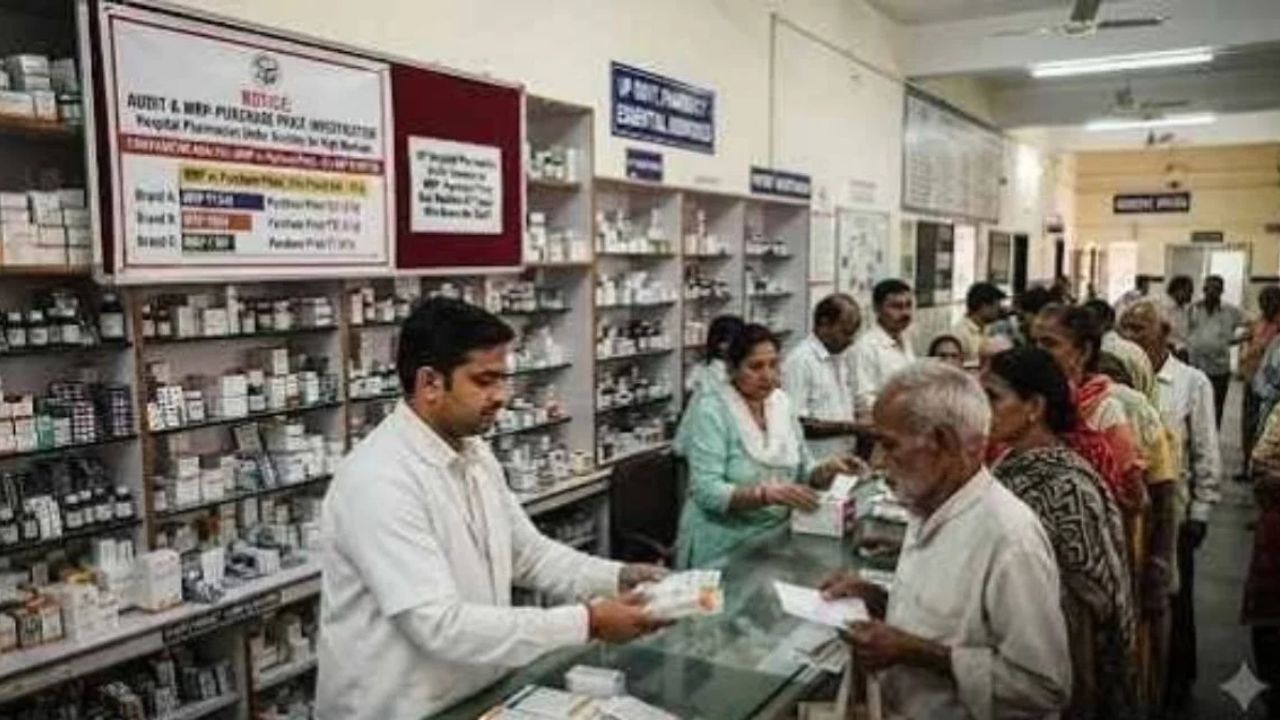
Cancer treatment in India already involves significant expenses, including hospitalisation, chemotherapy, diagnostic scans, specialist consultations and supportive medicines.
For many families, access to expensive targeted therapies remains a major challenge. The debate surrounding daraxonrasib highlights a growing reality in modern medicine: a breakthrough treatment can transform survival only when patients are able to access it.
US FDA approval does not automatically mean that the drug is available for Indian patients. Before commercial availability in India, daraxonrasib would need approval through the country’s regulatory framework.
Several steps would be required, including regulatory clearance, commercial launch, supply and distribution arrangements, pricing decisions and possible insurance or reimbursement considerations.
The final Indian price may differ significantly from the US list price depending on regulatory policies, market conditions, competition and pricing strategies. However, the Rs 38 lakh figure has already highlighted the affordability challenges that could emerge if the medicine enters the Indian market.
Daraxonrasib is not designed for every pancreatic cancer patient. The FDA approval applies to adults with metastatic pancreatic adenocarcinoma who have already received at least one previous systemic treatment or who are not suitable candidates for multi-drug chemotherapy.
A newly diagnosed pancreatic cancer patient will not automatically receive this medicine. Doctors will consider several factors before recommending treatment, including cancer stage, tumour characteristics, previous treatment history, overall health and the molecular profile of the cancer.
For some patients with earlier-stage pancreatic cancer, surgery and established treatment approaches may remain the preferred options.
Although daraxonrasib is an oral medicine taken once daily, it is not without risks. Reported side effects include skin rash, diarrhoea, nausea, fatigue, vomiting, mouth inflammation, abdominal pain, swelling, reduced appetite and bleeding complications.
Doctors may need to adjust doses or temporarily stop treatment depending on the severity of side effects. The decision to prescribe the drug will involve balancing survival benefits with quality of life, treatment tolerance and the patient’s overall condition.
The significance of daraxonrasib extends far beyond pancreatic cancer. RAS mutations are involved in several major cancers, making the development of effective RAS inhibitors one of the biggest goals in modern oncology.
For years, researchers questioned whether RAS could ever become a practical drug target. This approval provides important evidence that one of cancer research’s most challenging pathways can be successfully targeted with medicine.
Future studies will explore whether daraxonrasib can be used earlier in treatment, combined with other therapies or expanded to additional RAS-driven cancers.
For India, daraxonrasib represents both hope and a challenge. The hope is that patients with advanced pancreatic cancer may eventually gain access to a new targeted treatment option. The challenge is ensuring that medical innovation does not remain restricted to those who can afford it.
The journey from FDA approval to patient access involves multiple stages, including Indian regulatory approval, commercial availability, pricing decisions, insurance coverage and healthcare accessibility.
The eventual impact of daraxonrasib in India will depend not only on how effectively it works but also on whether patients can realistically afford and access it.
Daraxonrasib marks an important milestone in cancer research by showing that one of oncology’s most difficult targets, RAS, can be successfully attacked. For eligible patients with advanced pancreatic cancer, it offers a new option at a stage where treatment choices are often limited.
But the Rs 38 lakh monthly price tag has created a second conversation: how to ensure that advanced cancer treatments become accessible to patients across different healthcare systems.
The true measure of this breakthrough will not only be the survival improvement seen in clinical trials, but also the number of patients around the world who can actually benefit from it.
In the United States, doctors are expected to begin using daraxonrasib among eligible patients while researchers continue monitoring safety and long-term outcomes.
For India, attention will now turn towards regulatory developments, possible availability and pricing decisions. Meanwhile, scientists will continue exploring whether RAS-targeted therapies can transform treatment across multiple cancers. The breakthrough has arrived. The next challenge is ensuring that the patients who need it most can reach it.