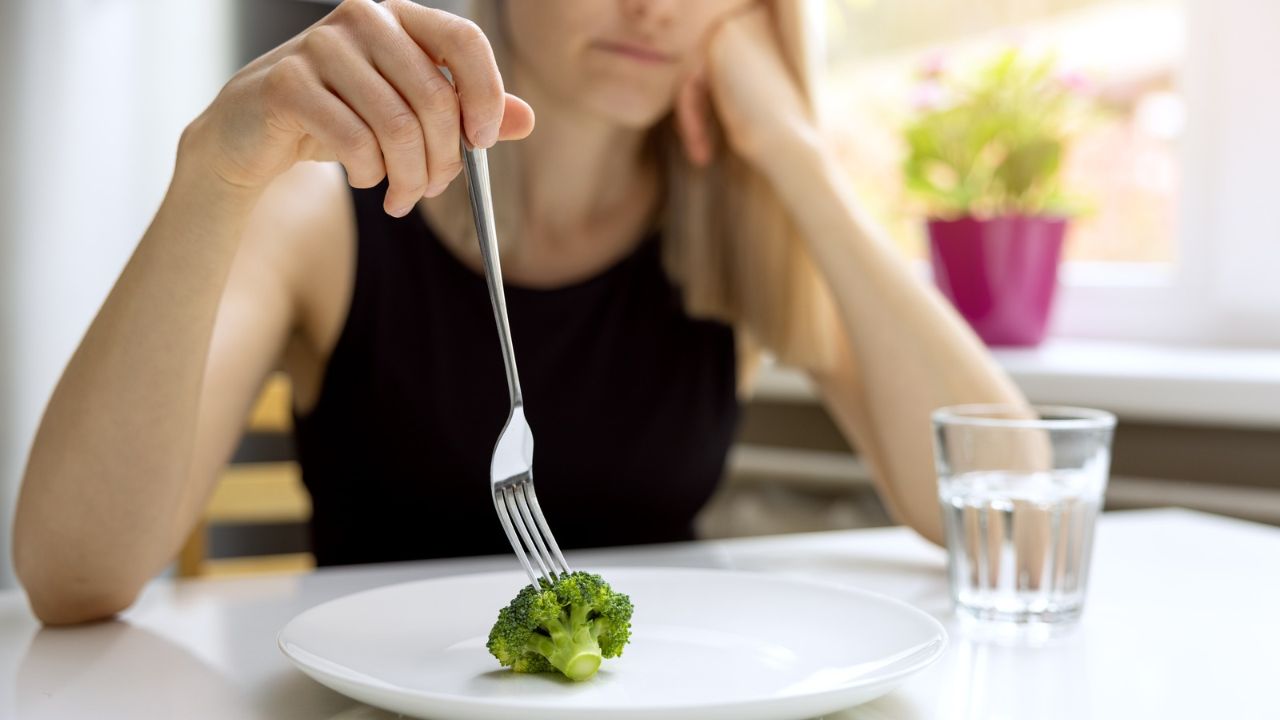
Representational Image
New Delhi: In today’s fast-paced world, the quest for a “perfect body” often drives people to extreme shortcuts. One common mistake is skipping meals, believing it will accelerate weight loss. The truth, however, is alarming: skipping meals can do more harm than good, turning your body into a breeding ground for disease rather than a fat-burning machine.
1. Slowed Metabolism: Why Skipping Meals Makes You Gain Weight
When you skip meals, your body goes into “energy-saving mode” and slows down metabolism. This means that the next time you eat, instead of burning calories for energy, your body stores them as fat. Ironically, skipping meals can make weight loss even harder.
2. Nutrient Deficiencies Lead to Fatigue and Weakness
Your body needs a steady supply of vitamins, minerals, proteins, and carbohydrates to function properly. Skipping meals deprives it of essential nutrients, leading to fatigue, dizziness, headaches, and long-term risks like anemia and osteoporosis.
3. Brain Fog, Stress, and Mood Swings: The Mental Toll
Glucose from food fuels your brain. Skipping meals lowers blood sugar, triggering irritability, anxiety, and difficulty concentrating. Productivity, focus, and mood all take a hit when your body goes hungry.
4. Digestive Distress: From Acidity to Constipation
Empty stomachs for long periods increase gastric acid, which can damage the stomach lining and cause acidity, gas, heartburn, or ulcers. Irregular eating also disrupts digestion, raising the risk of constipation and metabolic disorders.
5. Overeating and Junk Food Cravings: The Weight-Gain Trap
Hunger makes you reach for high-calorie, sugary foods. Skipping meals often results in overeating, undoing any attempt at weight loss. Instead of shedding pounds, you end up gaining them.
Bottom Line: Skipping meals is a counterproductive strategy for weight loss. Eating balanced meals at regular intervals supports metabolism, maintains mental focus, strengthens the body, and helps manage cravings-making healthy weight loss sustainable.

