English
 English

Strait of Hormuz Crisis Deepens as Talks Begin (Image Source: Internet)
New Delhi: Despite the recent ceasefire between the United States and Iran, the situation remains far from completely calm. Representatives from both nations are scheduled to hold talks in Islamabad in an effort to stabilize this fragile agreement. However, the situation on the ground remains tense—particularly due to ongoing skirmishes between Israel and Hezbollah.
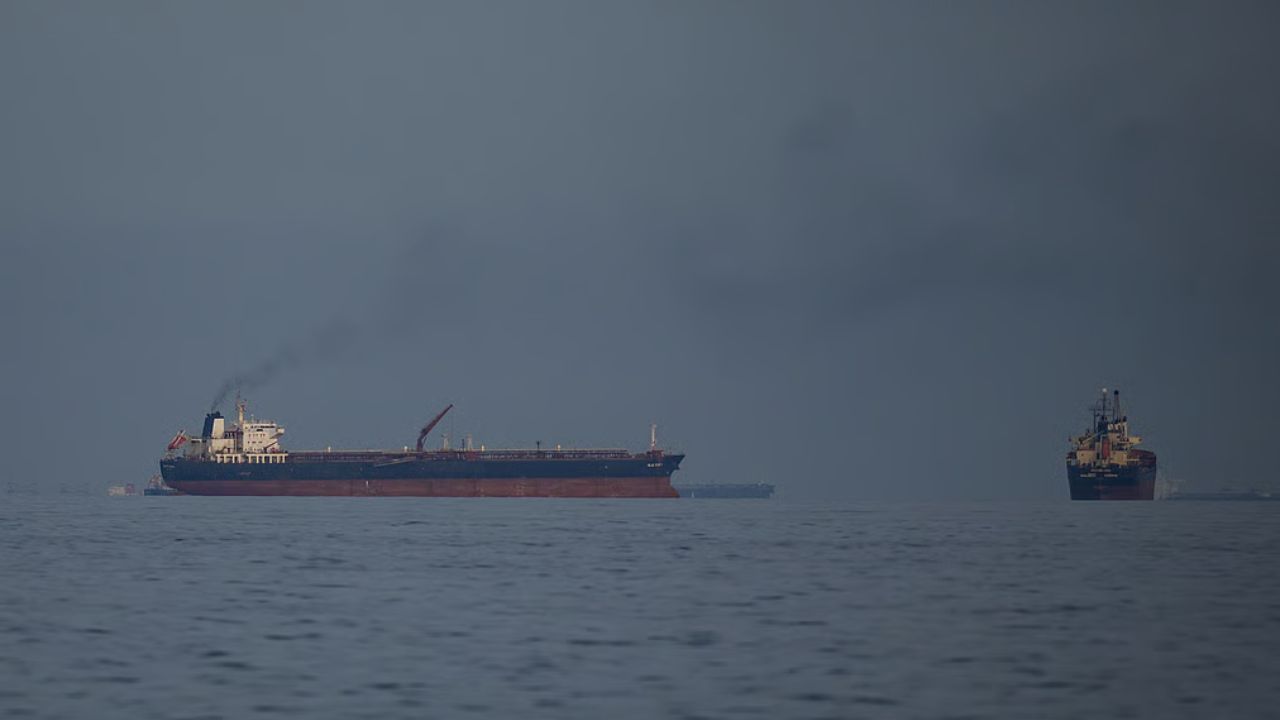
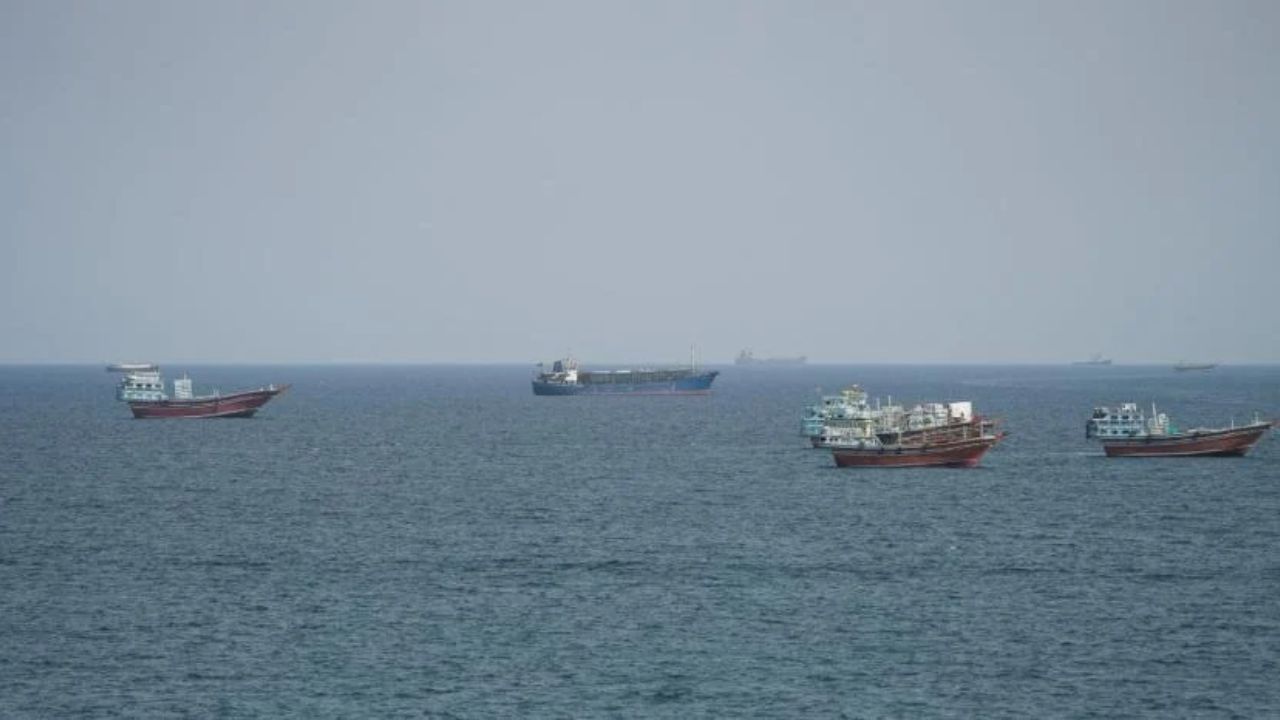
The Strait of Hormuz—one of the world's most critical oil transit routes—currently stands as the epicenter of this tension. Iran maintains control over this waterway and has restricted the movement of vessels passing through it. This has impacted global oil supplies and triggered a sharp surge in oil prices.
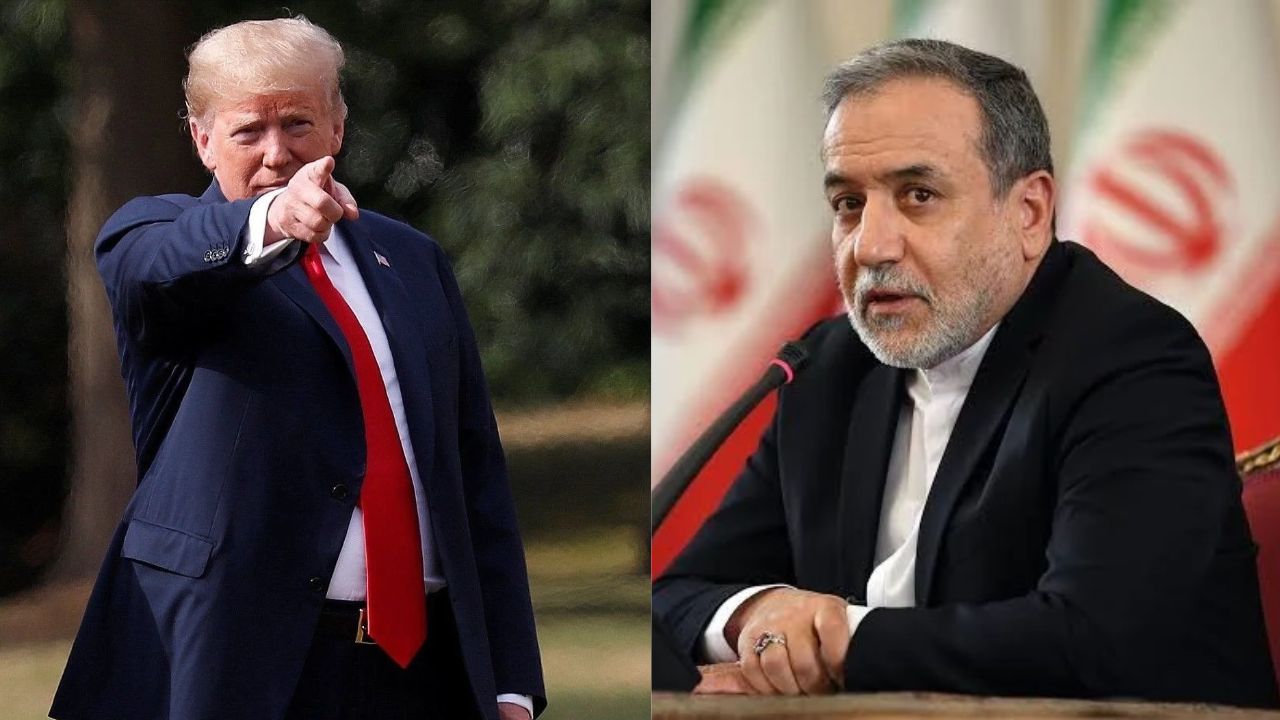
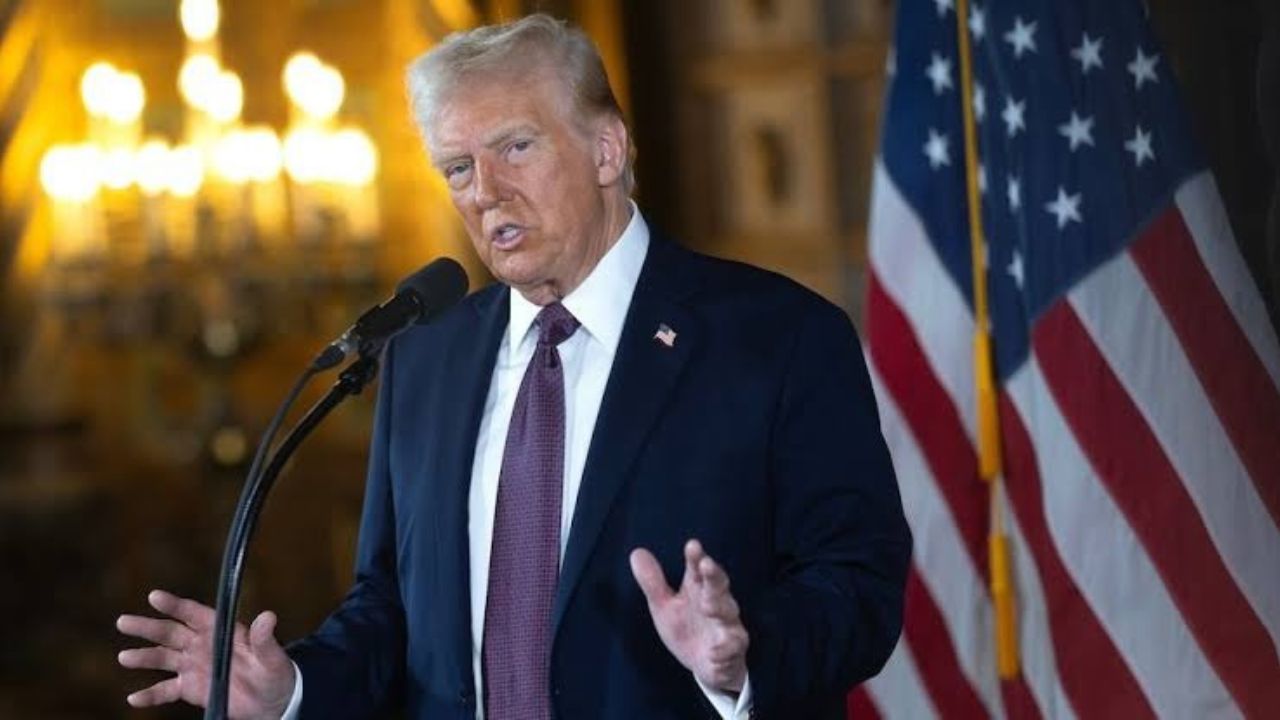
US Vice President J.D. Vance is traveling to Islamabad for the negotiations; however, Iran has yet to confirm the composition of its delegation. Iran is demanding that the United States compel Israel to halt its attacks within Lebanon, while the US has issued a warning that failure to adhere to the agreement will result in severe repercussions.
The situation between Israel and Lebanon also remains grave. Israel has launched major strikes against Hezbollah strongholds, resulting in hundreds of fatalities. Although there is a possibility that talks between the two nations may commence, no clear consensus has been reached thus far.
Kuwait recently accused Iran and its proxies of carrying out a drone attack, an allegation that Iran has denied. Meanwhile, a critical oil pipeline in Saudi Arabia has also sustained damage, further complicating the already volatile situation.
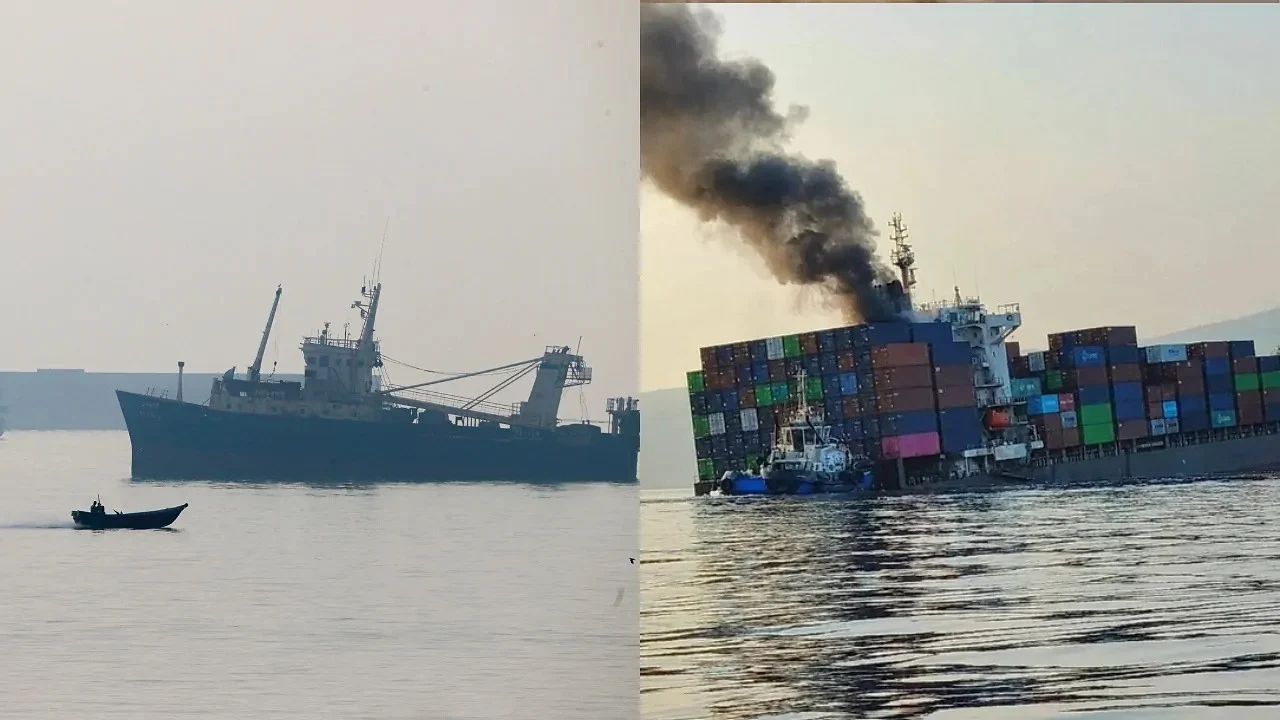
This entire crisis has had a direct impact on the global market. The volume of maritime traffic passing through the Strait of Hormuz has declined, and numerous vessels are currently stalled, awaiting clearance. As a result, the price of Brent crude has surged by approximately 35% to reach $96 per barrel, raising the risk of rising inflation globally.
The situation remains uncertain. Several questions persist—such as the status of Iran's nuclear program, when oil shipping lanes will fully reopen, and whether future attacks will cease. Upcoming negotiations could play a pivotal role in de-escalating this crisis; however, for the time being, the situation remains extremely fragile.