 English
 English

A river of destruction: Nepal battles massive flood devastation
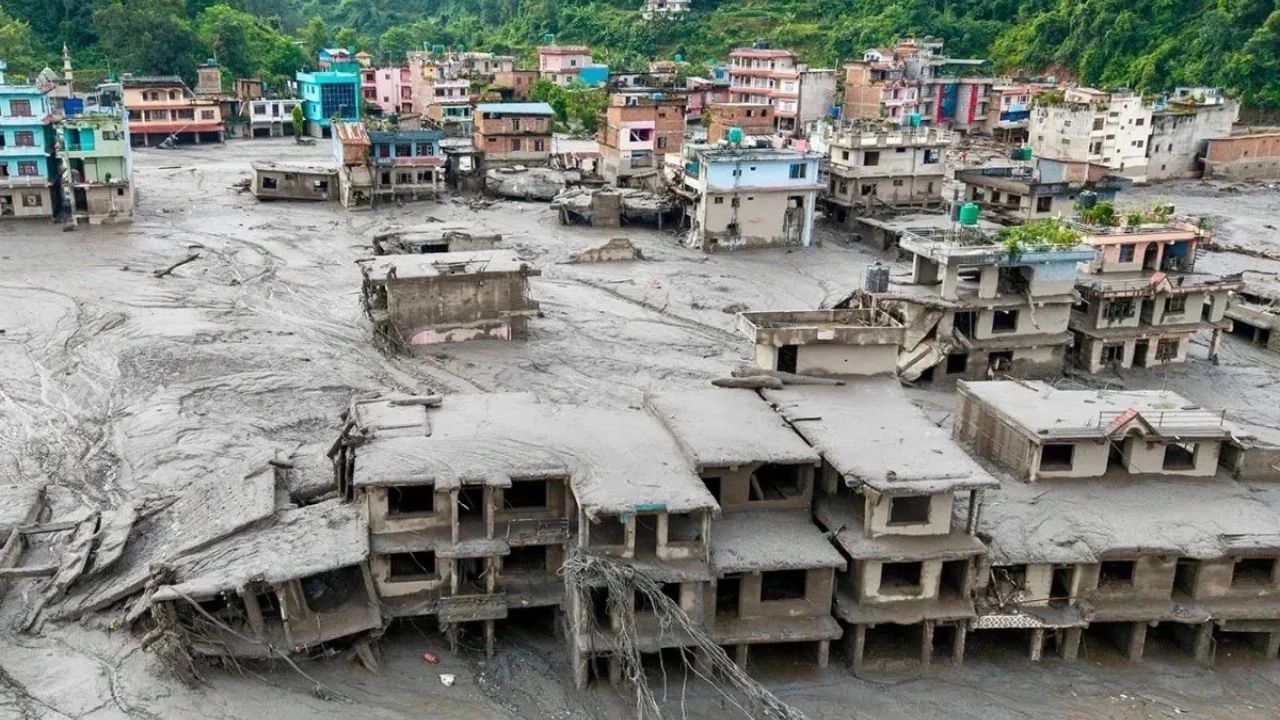
Kathmandu: Nepal is facing one of its worst natural disasters in recent history after a massive glacier collapse near the Nepal-Tibet border unleashed devastating flash floods, killing at least 734 people and leaving thousands missing. The disaster has triggered a massive rescue operation as authorities struggle to reach remote mountain communities cut off by landslides, damaged roads and rising rivers.
The scale of destruction has turned the Himalayan nation into a disaster zone, with floodwaters carrying huge amounts of mud, rocks and debris through settlements, destroying homes, washing away bridges and damaging major infrastructure projects.
The tragedy has also raised concerns in India and across the region, with hundreds of Indian nationals reportedly missing after the floods swept through areas popular among tourists and pilgrims.
The disaster was triggered after an ice and rock avalanche linked to a glacier collapse near the Nepal-Tibet border released a massive surge of water into downstream river systems.
The sudden flow of water, mud and debris travelled through the Trishuli River basin and other Himalayan waterways, leaving a trail of destruction across several districts.
Rasuwa, Nuwakot, Dhading, Gorkha, Tanahun, Nawalparasi and Chitwan are among the worst-affected areas, where thousands of residents have been impacted by the floods and landslides.
Entire stretches of roads and bridges have disappeared under flood debris, cutting off villages and making rescue operations extremely challenging. Several hydropower projects located along the river routes have also suffered extensive damage, with hundreds of workers feared missing from affected project sites.
Nepal’s disaster management authorities have confirmed that the death toll has climbed to 734, while thousands of people remain missing. Officials have warned that the casualty figures may increase further as rescue teams continue reaching isolated locations where communication networks remain disrupted.
Among those missing are foreign nationals, including Indian citizens who were travelling in Nepal when the disaster struck. Authorities are conducting extensive search operations using ground teams, helicopters and drone surveillance to locate survivors and assess the damage.
The disaster has triggered concern in India after reports emerged that more than 300 Indian nationals are missing in Nepal. Many of those unaccounted for are reportedly linked to pilgrimage and tourism routes, including areas visited by Mansarovar pilgrims.
The Indian Embassy in Kathmandu has activated emergency assistance channels and is coordinating with Nepalese authorities to trace missing citizens and provide support to affected families. Officials are also working to assist stranded travellers and gather information about those who have lost contact with their relatives.
The Nepal government has deployed the Nepal Army, police personnel, disaster response teams and aviation units for one of the largest rescue operations in the country’s recent history.
Helicopters are being used to evacuate injured people, elderly citizens, women and children from areas where roads have been destroyed or blocked by landslides. Rescue teams have reached several dangerous locations and saved people trapped in flood-affected zones.
Specialised teams are also conducting operations at hydropower tunnels where workers are feared trapped under layers of mud and debris. Authorities are using advanced equipment, including drones and rescue machinery, to identify survivors and clear blocked areas.
Nepal Prime Minister Balendra Shah has described the situation as an unprecedented disaster and assured citizens that the government is working on emergency rescue and relief measures.
The government has prioritised evacuation of vulnerable groups and the delivery of essential supplies, including food, clean drinking water, medical equipment, generators and communication facilities.
Temporary relief camps have been established in affected regions to provide shelter and basic facilities to displaced families. Officials are also working to restore mobile connectivity and transportation networks so that affected communities can remain connected with rescue agencies and their families.
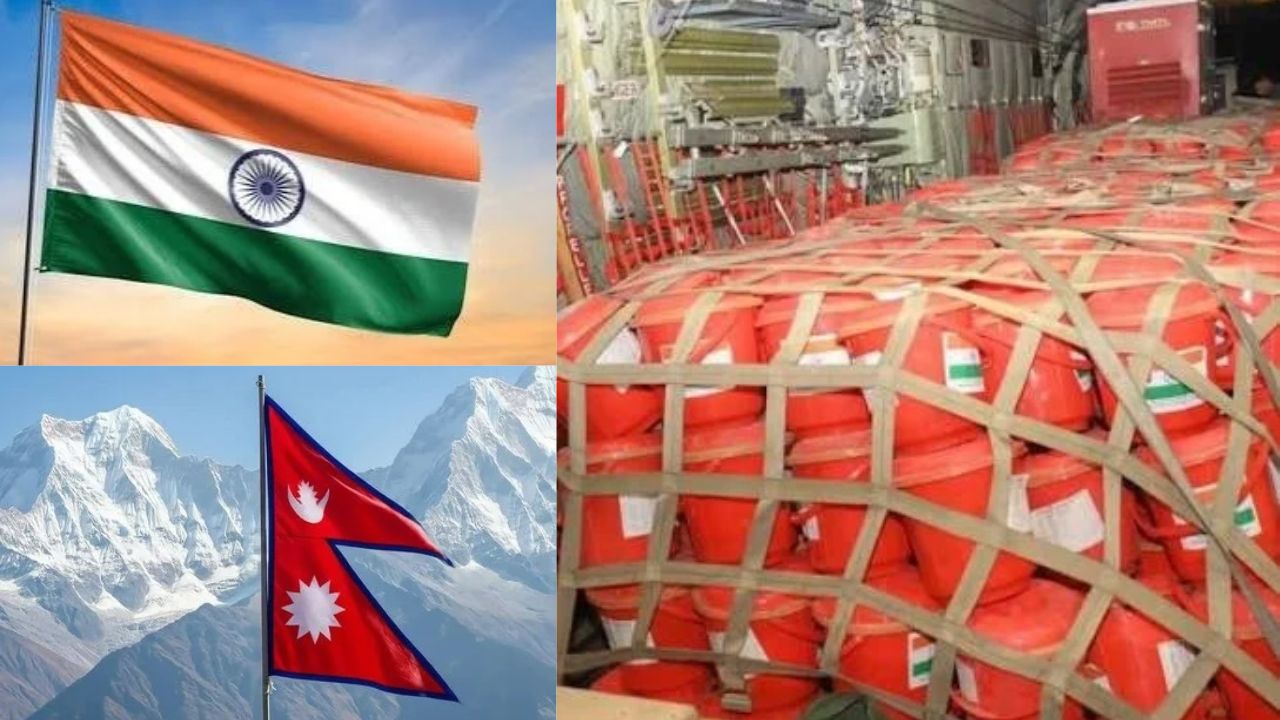
India has extended support to Nepal during the disaster, with coordination efforts underway between both countries for rescue and relief operations.
Indian agencies are assisting with technical support, emergency coordination, transportation arrangements and other requirements needed during the recovery process. The close cooperation between India and Nepal has become crucial as rescue teams continue searching for missing people and restoring damaged infrastructure.
The Nepal flood tragedy has renewed concerns over the impact of climate change on Himalayan regions. Environmental experts have warned that rising temperatures, rapid glacier melting and unstable mountain ecosystems are increasing the risk of extreme weather events.
The latest disaster has highlighted the vulnerability of Himalayan communities and the urgent need for stronger early warning systems, climate monitoring and disaster preparedness.
The rescue mission is expected to continue as authorities focus on locating missing people, providing emergency relief and rebuilding damaged infrastructure. The immediate challenge remains reaching remote areas where thousands of people are still waiting for assistance.
As Nepal begins its recovery journey, the disaster has emerged as a major warning about the growing risks faced by Himalayan nations due to extreme weather events and environmental changes.