 English
 English

Chinese Premier Li Qiang visits a flood-hit area in Tibet as rescue operations continue after the Himalayan disaster (Img: Facebook)
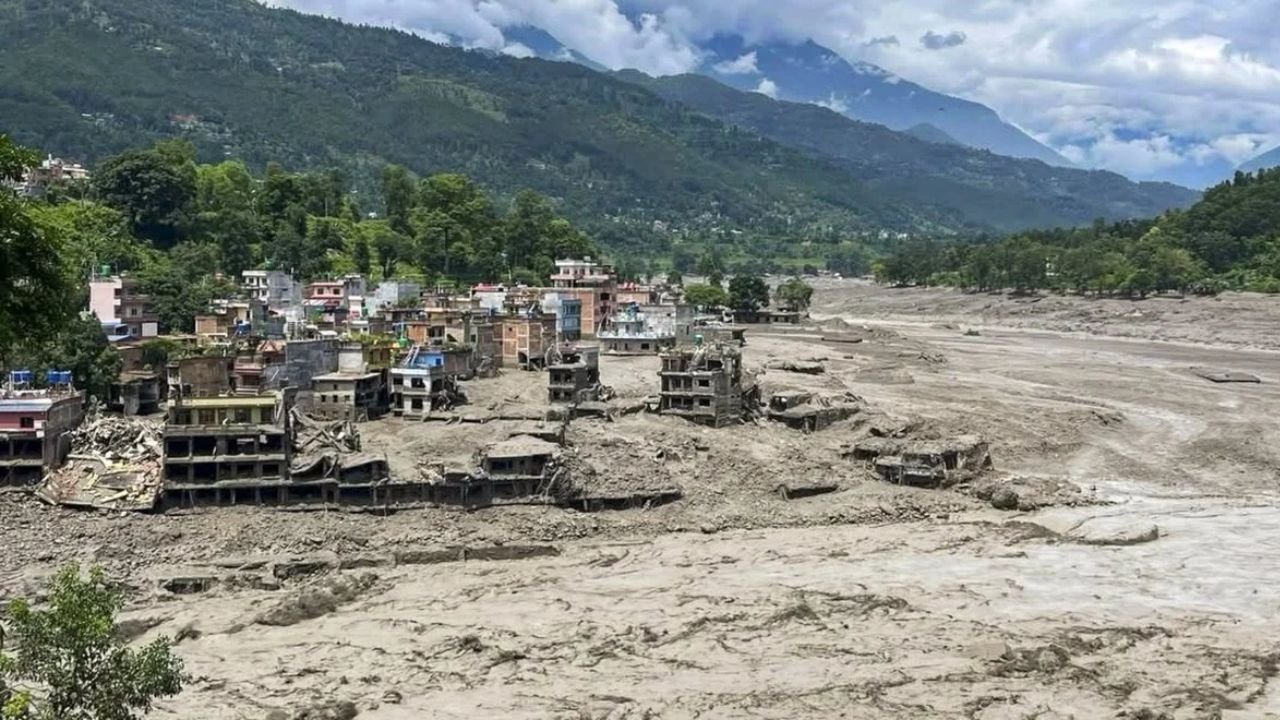
Beijing: The devastating floods along the Nepal-Tibet border have created two contrasting pictures of the disaster. While Nepal has reported widespread destruction with hundreds of deaths and thousands missing, the situation on the Chinese side of the border remains unclear amid limited access and information restrictions.
Nepal’s official death toll has climbed to 579, with more than 1,900 people reported missing after flash floods and landslides swept through several Himalayan settlements. However, China has officially reported only five deaths in Tibet, raising questions about the actual scale of destruction in the region.
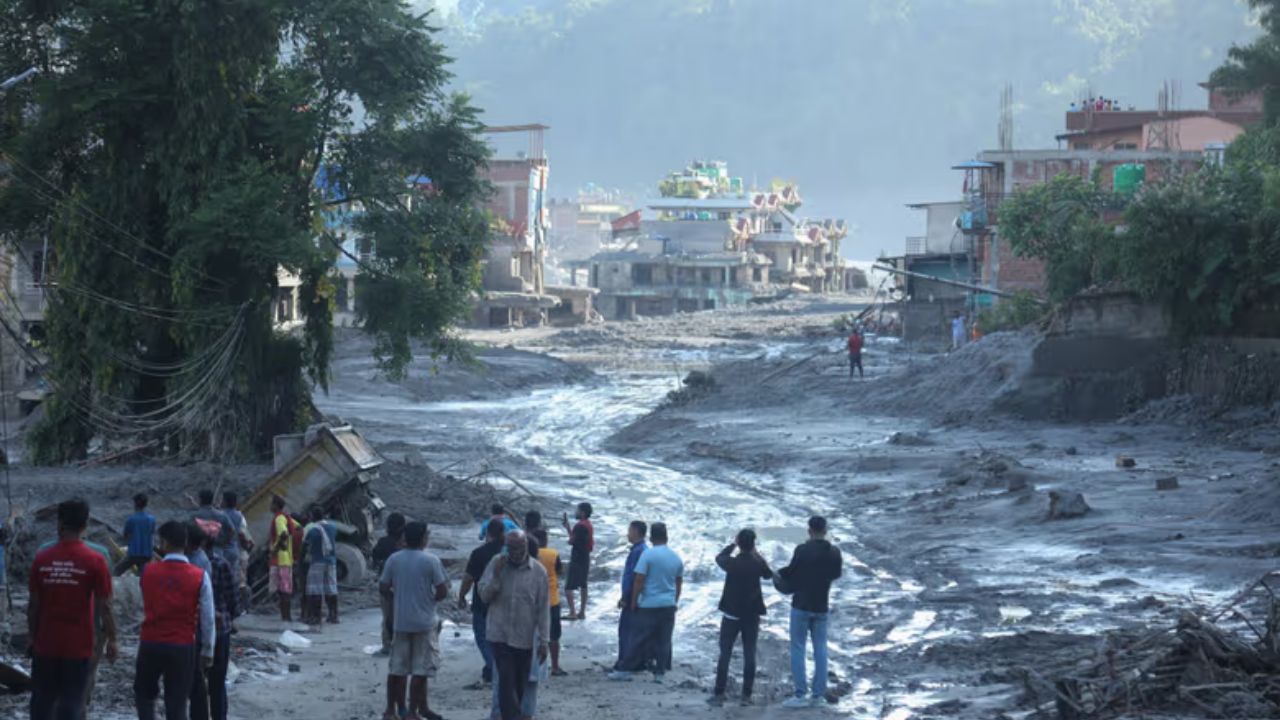
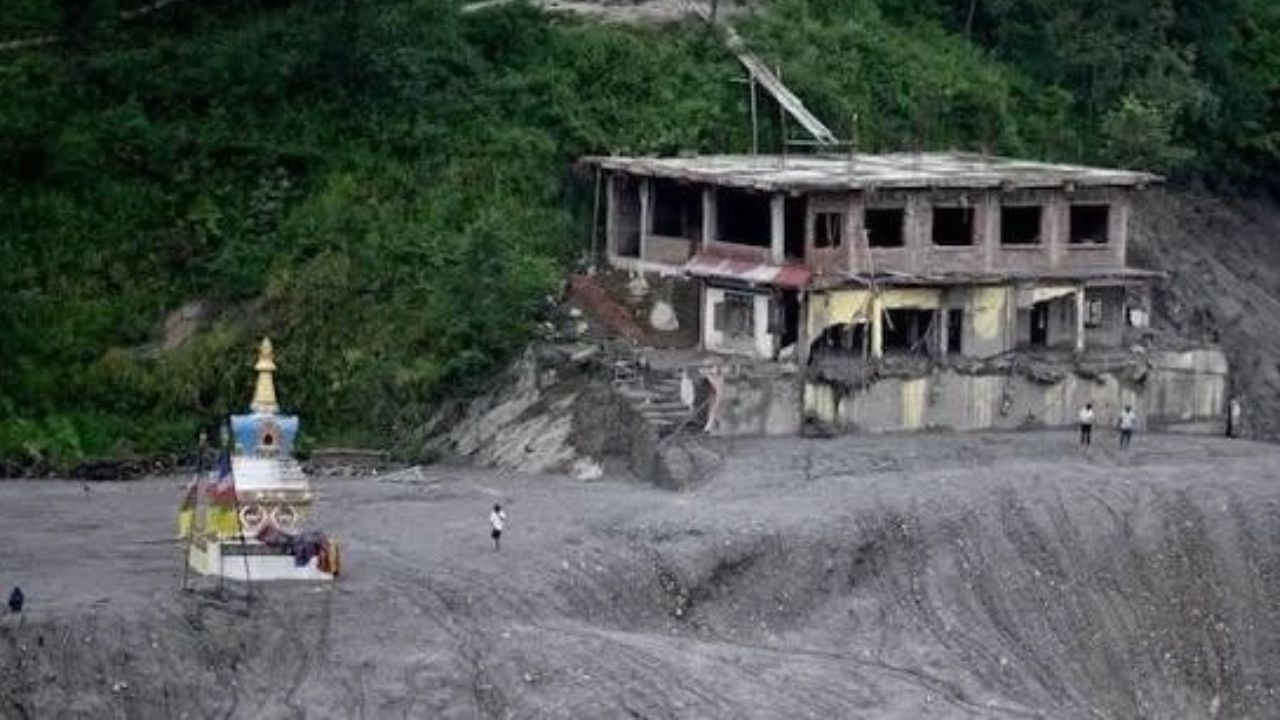
In Nepal, journalists, rescue workers and survivors have shared detailed accounts of the devastation. Villages were destroyed, homes were washed away and several infrastructure projects were badly damaged.
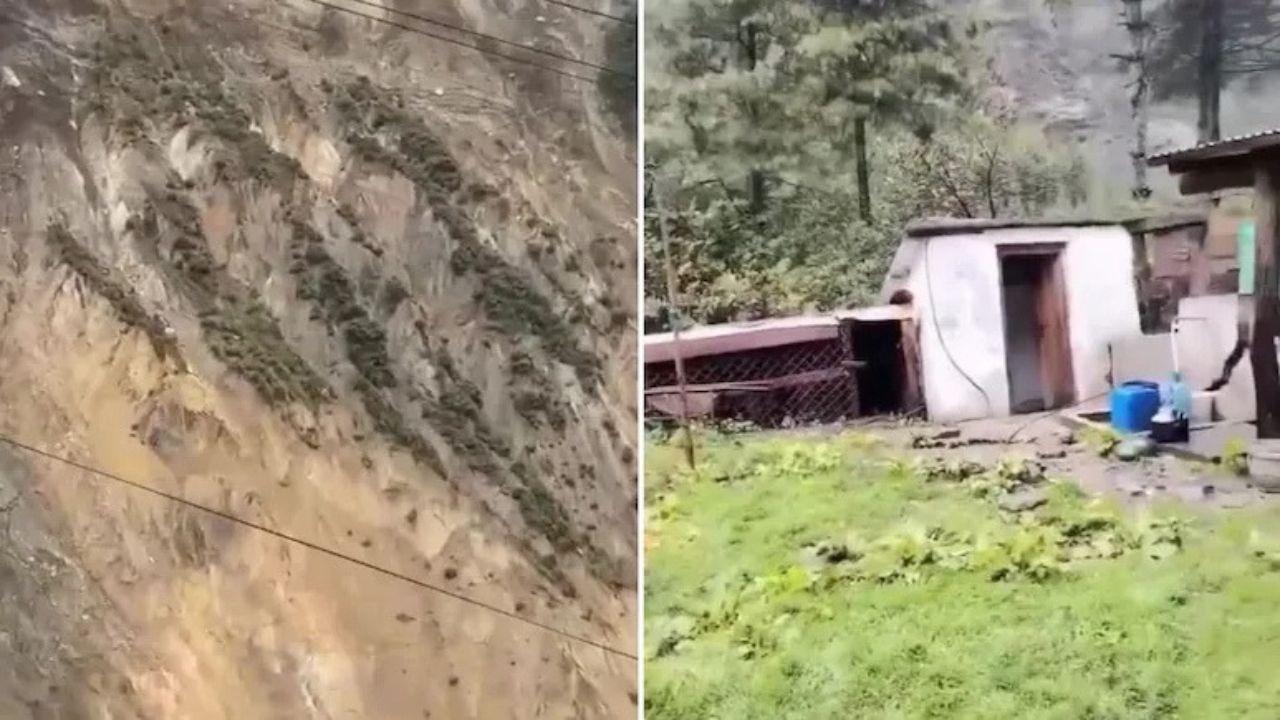
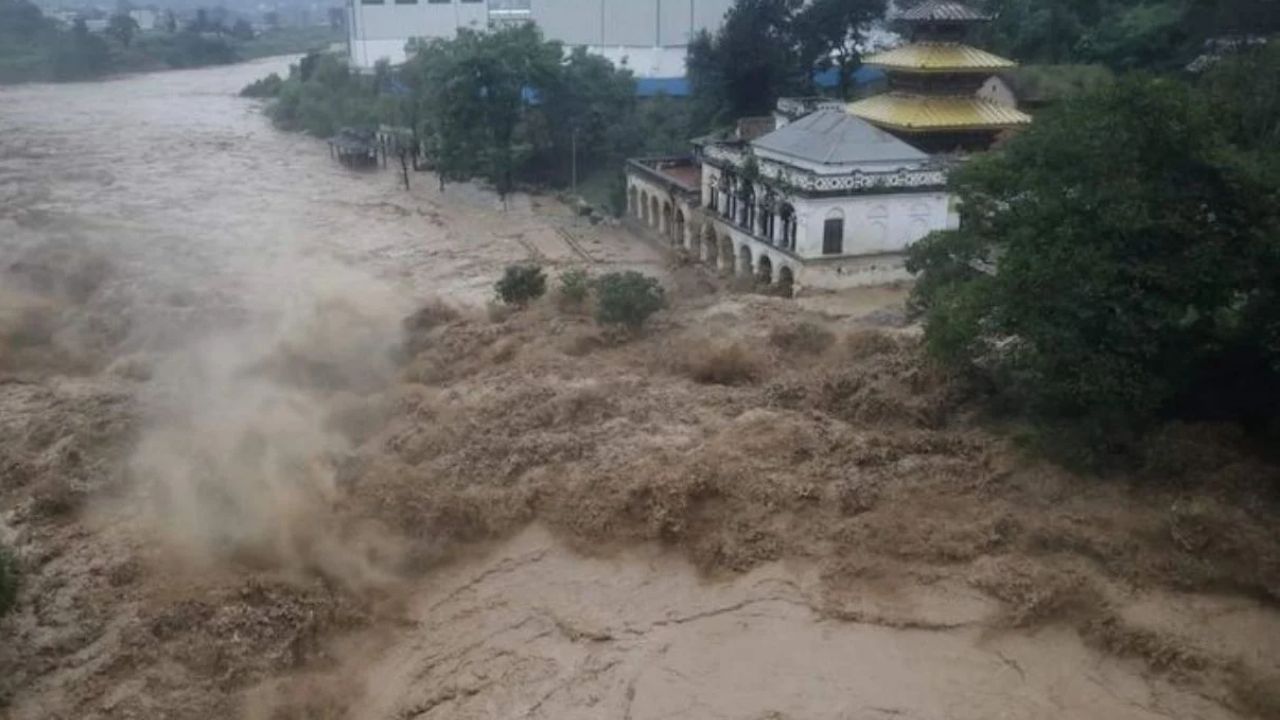
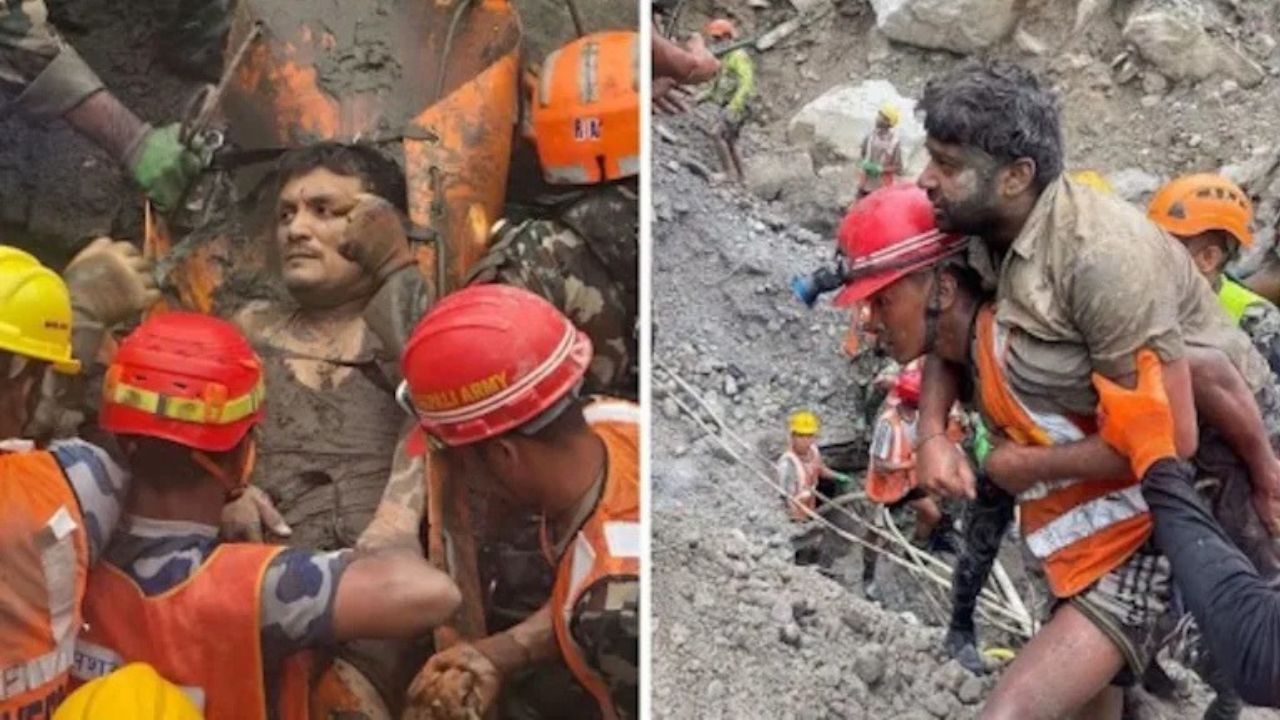
The flood-hit areas around the Bhotekoshi and Trishuli river systems have witnessed massive destruction, with rescue teams struggling due to damaged roads, landslides and communication failures.
Across the border in Tibet, especially around the Gyirong region near the Nepal border, information about the damage has been limited.
The huge difference between Nepal’s casualty figures and China’s official numbers has drawn attention from international observers.
Reports suggest that while Chinese state media has covered rescue and relief efforts, independent reporting from affected areas has been difficult due to restrictions on media access.
Tibet is considered one of China’s most sensitive regions, where foreign journalists generally face strict limitations while covering events independently.
The lack of independent access has made it challenging to verify the extent of damage, casualties and displacement in Tibet.
Experts say that in disaster situations, accurate information is crucial for rescue planning and humanitarian response. However, restrictions on reporting can make it difficult to understand the complete impact of a catastrophe.
China has deployed emergency teams, including specialised forces capable of operating in difficult mountainous terrain.
Chinese state media reported that President Xi Jinping directed authorities to strengthen rescue operations and search for missing people. Premier Li Qiang also visited the affected areas to review relief work.
However, details about the scale of destruction and rescue operations in Tibet remain limited.
Researchers are still studying the exact cause of the floods. Initial investigations are examining whether a possible glacier collapse or ice-rock avalanche triggered a sudden surge of water, mud and debris.
Experts have linked increasing Himalayan risks to rising temperatures, melting glaciers and changing weather patterns.
As rescue operations continue, Nepal’s side of the disaster has become clearer, while the full impact in Tibet remains difficult to determine due to limited information and access.