 English
 English

China on Monday strongly opposed any move to target Mojtaba Khamenei
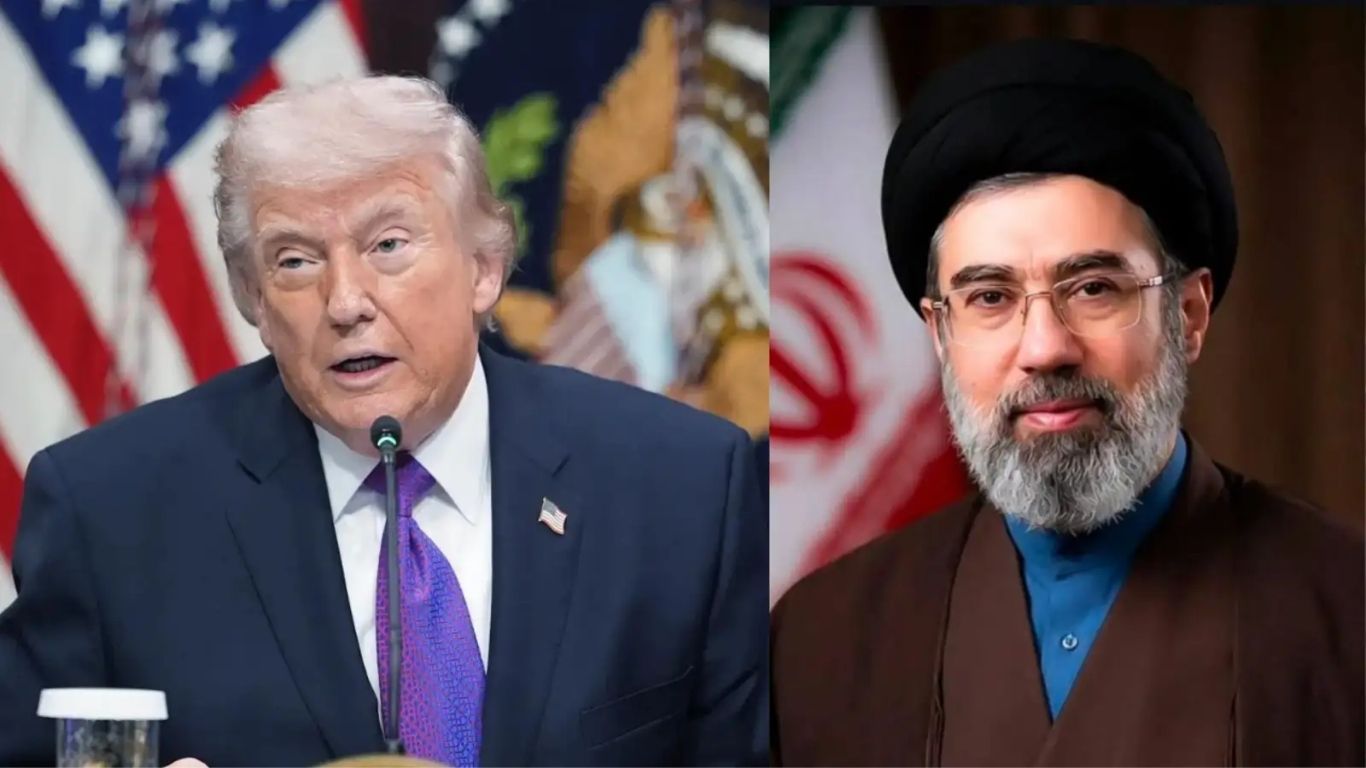
Beijing: China on Monday strongly opposed any move to target Mojtaba Khamenei, who has recently been appointed as Iran’s supreme leader following the death of his father, Ali Khamenei.
The statement came after reported threats from the Israel Defense Forces regarding possible action against the new Iranian leader amid escalating tensions in West Asia. Chinese officials said such threats could further destabilise the region and called for restraint from all parties involved.
Middle East Tensions: Pune shuts gas crematoriums temporarily as LPG shortage hits fuel supply
Speaking at a regular press briefing, Chinese foreign ministry spokesperson Guo Jiakun said Beijing considers Iran’s leadership transition an internal matter.
He emphasised that China opposes interference in the domestic affairs of other countries and urged respect for Iran’s sovereignty and territorial integrity.
According to him, Mojtaba Khamenei’s appointment was made through Iran’s constitutional process, and external actors should refrain from actions that could escalate tensions.
The statement from Beijing comes at a time when tensions across West Asia remain high due to ongoing hostilities involving Iran, Israel, and the United States.
China has previously criticised the recent US and Israeli military strikes on Iranian targets, describing them as illegal and calling for an immediate ceasefire. Beijing has also urged all parties to avoid steps that could widen the conflict and threaten regional stability.
Analysts note that China’s stance is influenced by its strategic and economic interests in the region. The country has maintained close diplomatic and economic ties with Iran for years.
Chinese officials, including Foreign Minister Wang Yi, have reiterated support for Iran’s sovereignty and have remained in contact with its leadership during the ongoing crisis.
Crude oil prices surge past $114 per barrel as Iran war disrupts global supply
Beyond diplomacy, China remains one of Iran’s key economic partners. Reports indicate that Beijing continues to purchase a significant share of Iranian oil despite international sanctions.
The two countries are also linked through a long-term economic cooperation agreement valued at around $400 billion. In addition, cooperation in areas such as technology, defence components and infrastructure development has further strengthened bilateral ties.
As tensions persist, China has urged all sides to pursue dialogue and prevent the conflict from escalating further.
Beijing warned that continued instability in the region could affect global energy markets and disrupt major trade and infrastructure projects connected to its international initiatives.