English
 English

Venezuelan President Nicolas Maduro captured
Washington: Tensions between the United States and Venezuela reached a historic high after US forces conducted military strikes in Caracas, resulting in the deaths of at least 40 people and the capture of Venezuelan President Nicolás Maduro. Following the operation, Maduro was taken to the United States to face trial under charges related to drug trafficking.
The US has also indicated that American authorities will temporarily oversee the administration of Venezuela until a new government is established to ensure a controlled transition.
India expresses concern over US action in Venezuela; Calls for dialogue
The United States has long questioned the legitimacy of Maduro’s government and accused it of facilitating drug trafficking and supporting armed groups in Colombia. Washington has pointed to alleged ties between Maduro’s administration and organizations such as the National Liberation Army and remnants of the FARC, which have contributed to regional instability and mass migration.
US officials have stated that multiple diplomatic efforts were made to resolve these issues prior to military action. However, the Venezuelan government did not respond to these initiatives, prompting the US to launch strikes aimed at curbing drug trafficking and regaining control over stolen oil revenues.
Questions about the legality of the strikes have emerged both domestically and internationally. Under US law, the president’s power to conduct military operations is generally subject to congressional oversight. In this case, Congress was not formally informed before the strikes were carried out, raising concerns about whether the action complied with US legal requirements for authorizing war or armed conflict.
From an international law perspective, the strikes have been described as constituting an armed conflict between two sovereign states. Sustained military actions against another nation fall under the legal definition of war, meaning that the US is considered to be engaged in hostilities with Venezuela.
Trump confirms US strikes on Venezuela, says Nicolas Maduro and his wife captured; Full story here
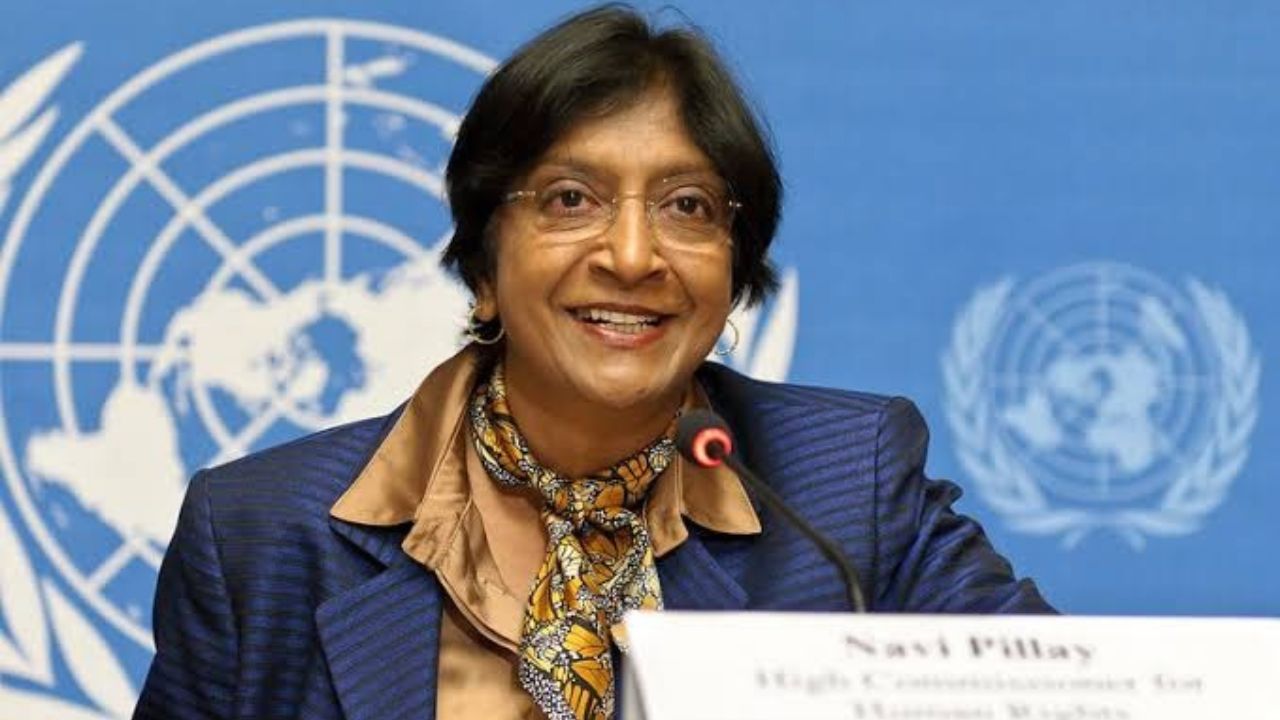
The United Nations criticized the US military actions, warning that they set a dangerous precedent and could destabilize the region further. Under Article 2(4) of the UN Charter, member states are prohibited from using force against the territorial integrity or political independence of another country. Since Venezuela is a recognized sovereign state, the strikes are widely regarded as a violation of international law.
The US military intervention in Venezuela raises complex questions about sovereignty, the legitimacy of unilateral action, and the enforcement of international law. The situation underscores the challenges the international community faces in balancing security concerns, legal norms, and humanitarian considerations in cases of cross-border conflict.