 English
 English

Iran Calls For New Shipping Rules In Hormuz Strait After War
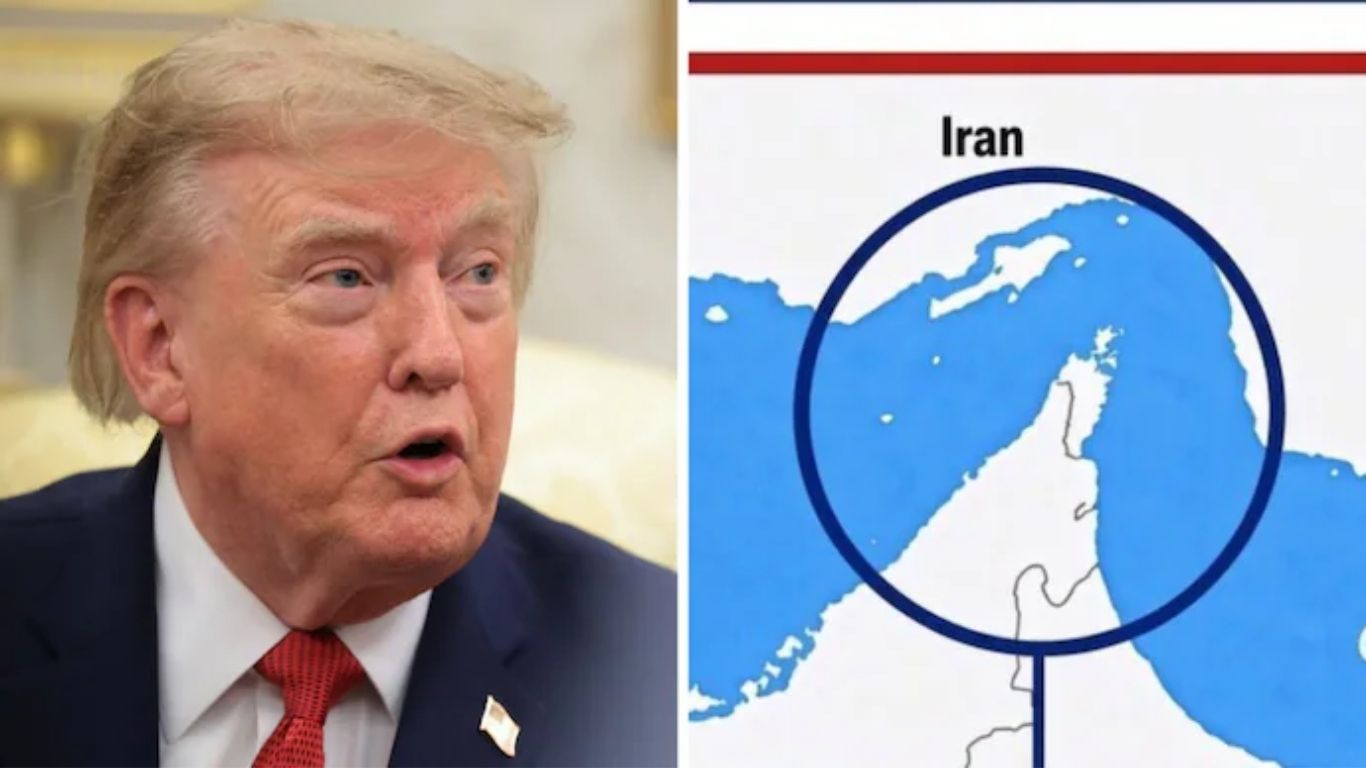
Tehran: Iran has called for a new regulatory framework for ship movement through the Strait of Hormuz once the ongoing conflict concludes, indicating a potential shift in how the critical maritime route is governed.
Abbas Araghchi said Tehran intends to introduce a “new protocol” to manage navigation through the strait, emphasising the need for long-term stability and security in the region.
Middle East Tensions: LPG tankers carrying gas equal to 2.1 crore cylinders stranded near hormuz
The Iranian leadership has defended its decision to restrict vessels linked to countries aligned with the United States and Israel, describing the move as necessary under wartime conditions.
Officials stated that heightened security risks and ongoing hostilities have already discouraged many ships from passing through the narrow waterway, one of the busiest global energy corridors.
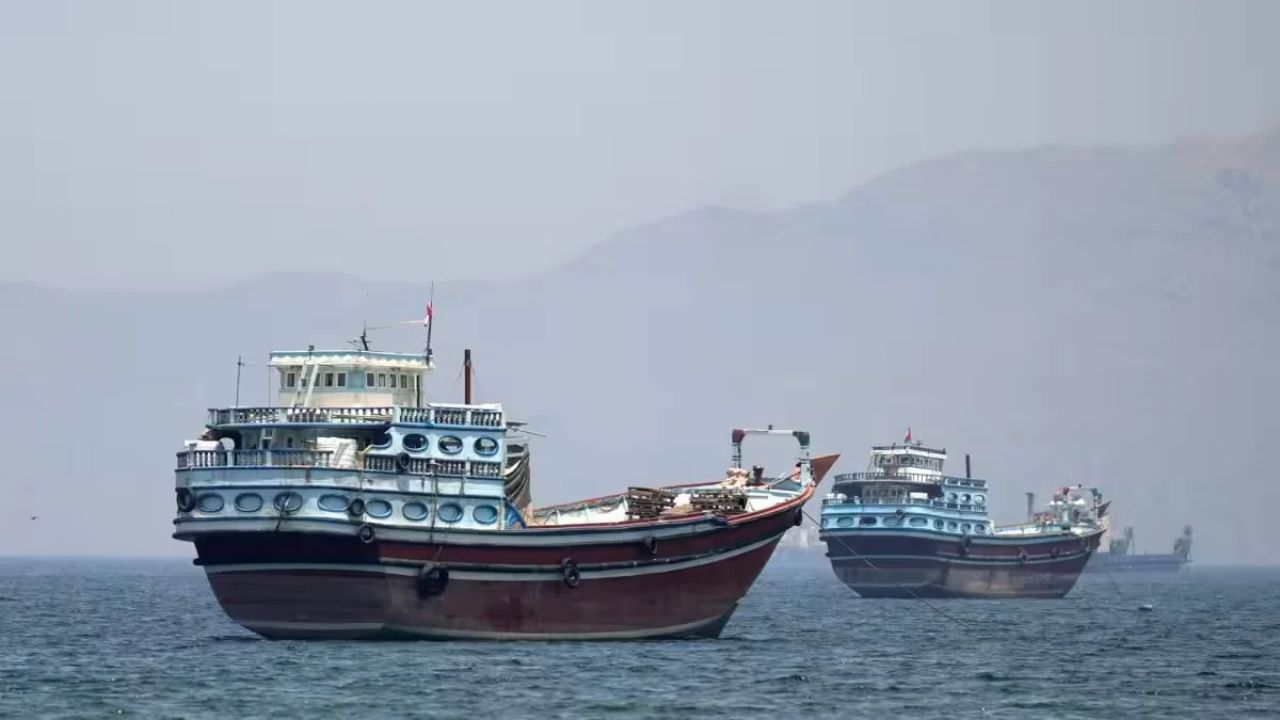
The tensions have significantly impacted global oil and gas flows. The Strait of Hormuz, which connects the Persian Gulf to international markets, handles a substantial share of the world’s energy shipments.
India has also felt the impact. According to official data, around 3 lakh metric tonnes of liquefied petroleum gas (LPG) remain stranded in the region aboard Indian-flagged vessels. In total, 22 Indian ships, including LPG carriers, crude oil tankers and container vessels, are currently positioned near the strait.
Despite the disruption, some vessels have managed to reach Indian ports. One LPG carrier recently delivered cargo to the western coast, while authorities continue to coordinate logistics and manage congestion at ports handling diverted shipments.
Experts say Iran’s proposal for new navigation rules could reshape control over a strategically vital waterway. While Tehran has framed the move as an effort to ensure “peaceful navigation,” the prospect of revised protocols influenced by regional security considerations may raise concerns among major energy-importing nations.
The future of shipping through the Strait of Hormuz remains closely tied to the course of the conflict and ongoing diplomatic efforts in the region.