 English
 English

Pilot Tests Positive for Marijuana, Dope Test Rules Explained
New Delhi: Every time a pilot enters the cockpit, aviation rules require one basic condition of the person in command must be completely fit, alert and free from the influence of alcohol or drugs. To ensure this, airlines follow a strict dope testing system that checks pilots for banned substances before they are allowed to operate flights.
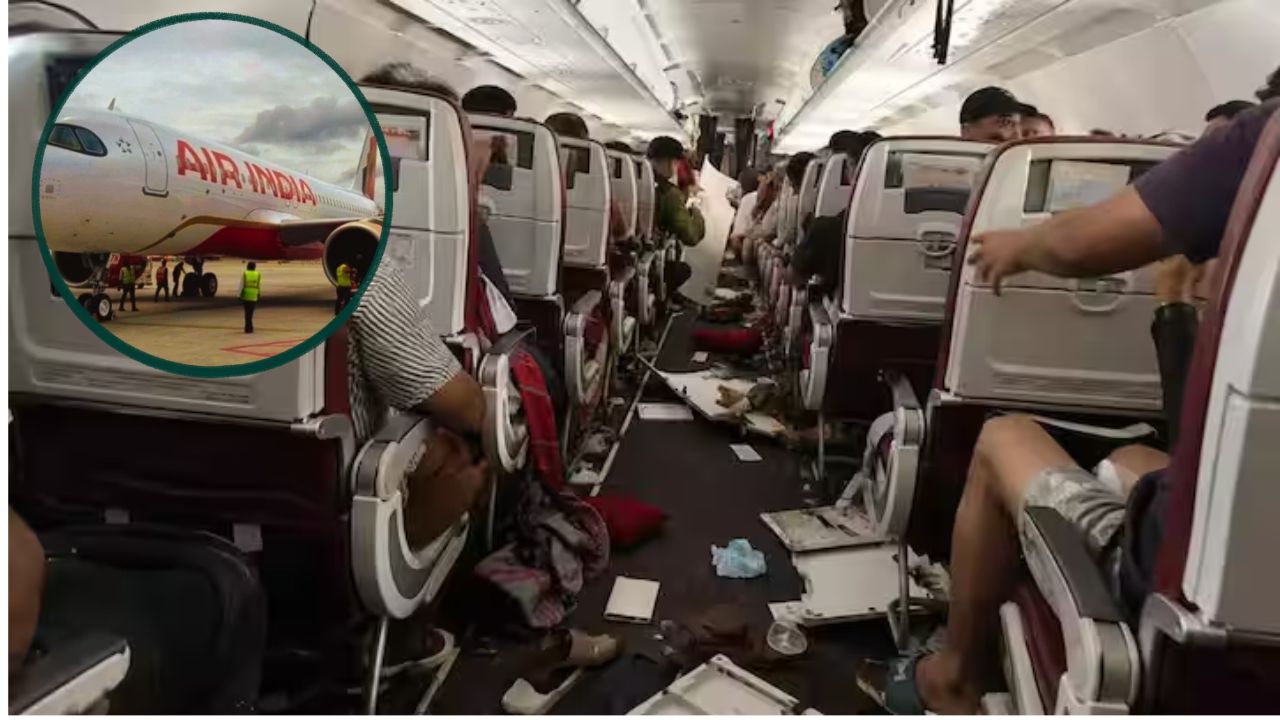
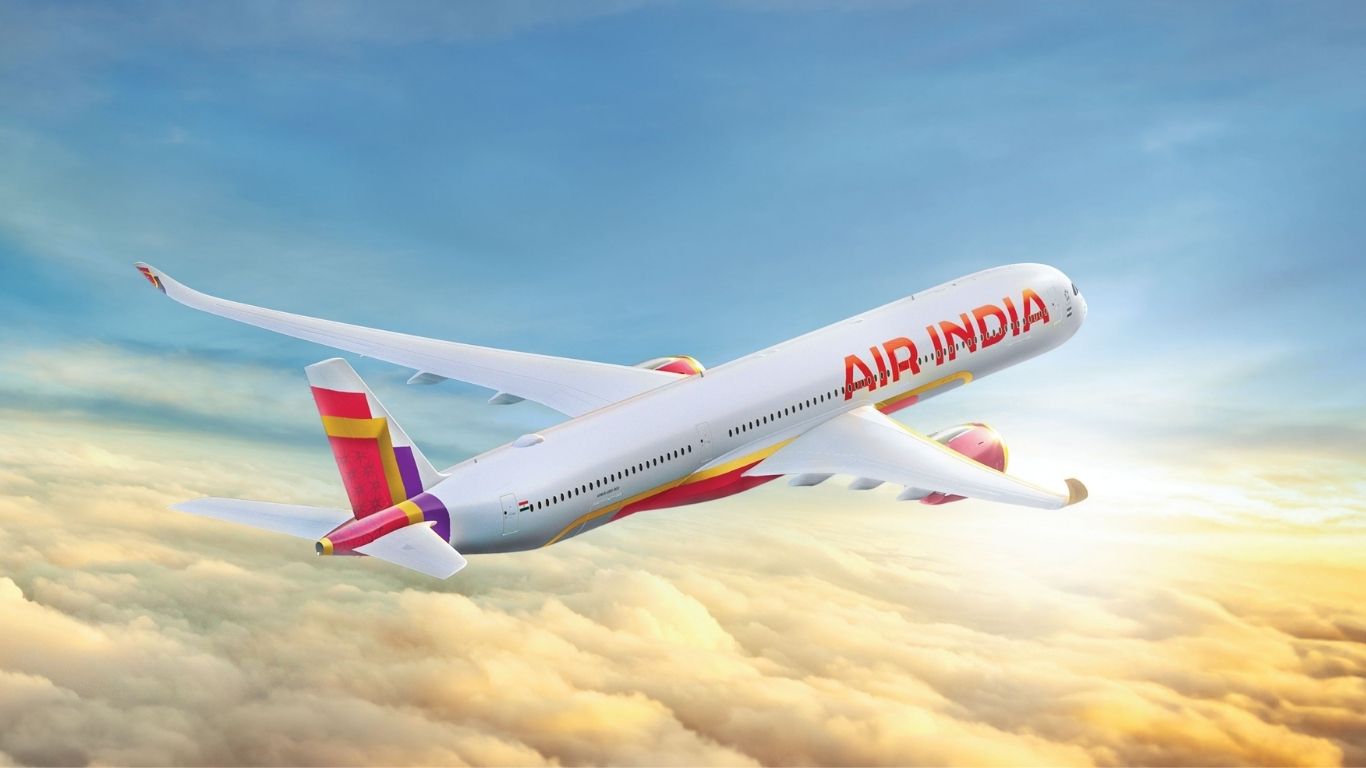
The issue gained attention after the AI2379 Phuket-Delhi flight incident, where a pilot was reportedly found positive for marijuana during a substance abuse test. Following the development, Air India ordered mandatory screening measures for its pilots to strengthen safety protocols.
A pilot’s dope test is not a single examination but a combination of two separate checks an alcohol test and a psychoactive substance test.
The alcohol test is conducted using a breath analyser, similar to those used by traffic authorities. Indian aviation follows a strict zero-tolerance policy, meaning even a trace amount of alcohol detected can prevent a pilot from flying.
The second test checks for prohibited drugs through a urine sample. It screens for substances including marijuana, cocaine, amphetamines, methamphetamine, opioids, barbiturates, benzodiazepines and MDMA.
For domestic flights departing from Indian airports, crew members are required to undergo alcohol screening before duty. For international flights arriving in India, testing is conducted after landing, especially considering alcohol availability during overseas operations.
The Directorate General of Civil Aviation (DGCA) has also warned pilots against using products such as alcohol-based mouthwash, gels or perfumes before testing, as these may affect breath analyser results.
For drug screening, the urine sample is divided into two parts. If the first sample indicates a positive result, it is sent to an authorised laboratory for confirmation before further action is taken.
Airlines are required to randomly test a fixed percentage of pilots and air traffic controllers every year. Testing is also mandatory during recruitment, after aviation accidents or serious incidents, and as a follow-up measure for previously detected cases.
Any positive test result must be reported to the aviation regulator within 24 hours.
A pilot who tests positive is immediately removed from flying duties. After confirmation, the pilot is required to undergo medical evaluation and rehabilitation before returning to work. A second confirmed violation can lead to cancellation of the flying licence.
Flying an aircraft requires extreme concentration, quick decision-making and complete control over physical and mental abilities. Alcohol and drugs can affect reaction time, coordination, judgment and skills that are essential during critical moments like take-off, landing and emergencies.
Under aviation safety rules, pilots and crew members are prohibited from consuming alcohol or reporting for duty while under the influence of intoxicating substances.
The DGCA introduced random drug testing for aviation personnel in phases from 2022, aligning Indian aviation safety standards with global practices.
With thousands of passengers depending on every flight, the dope test acts as a safety shield ensuring that the person controlling the aircraft is fully fit before take-off.