English
 English

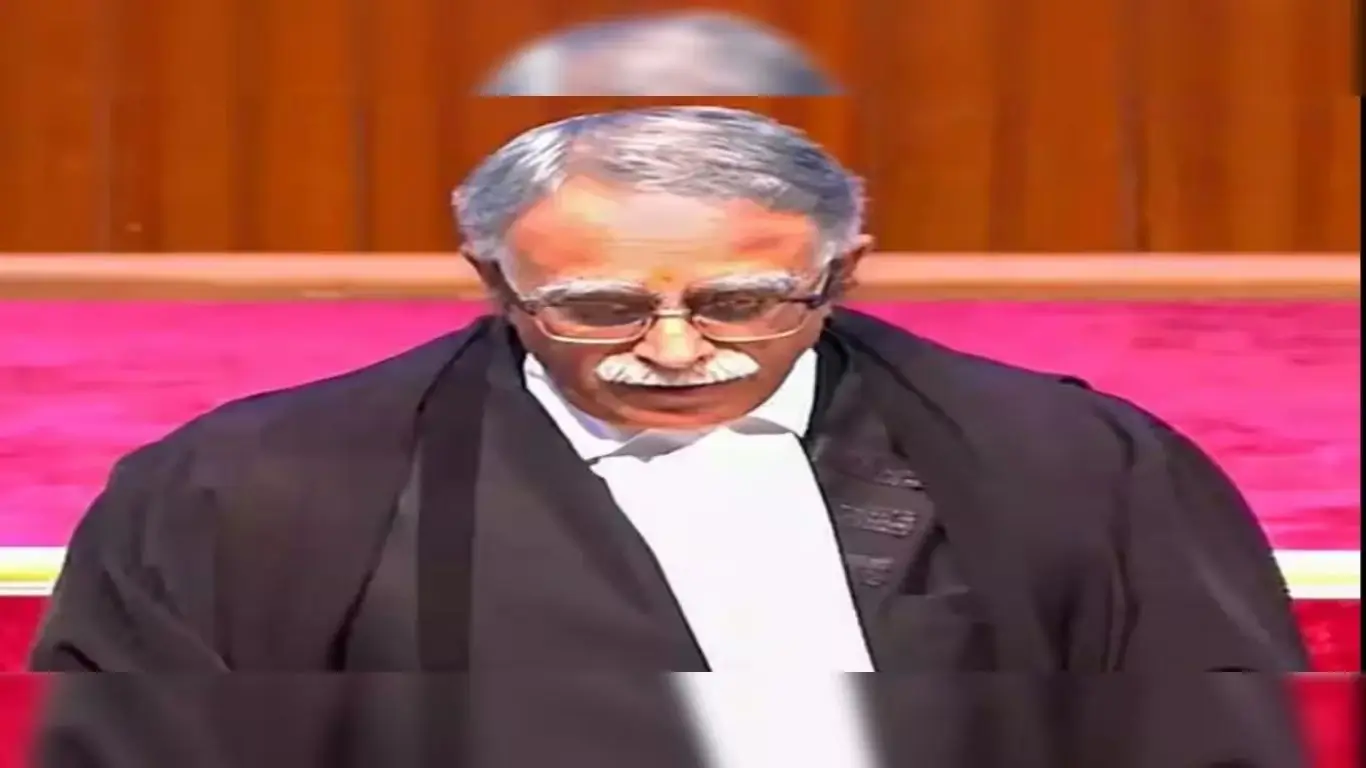
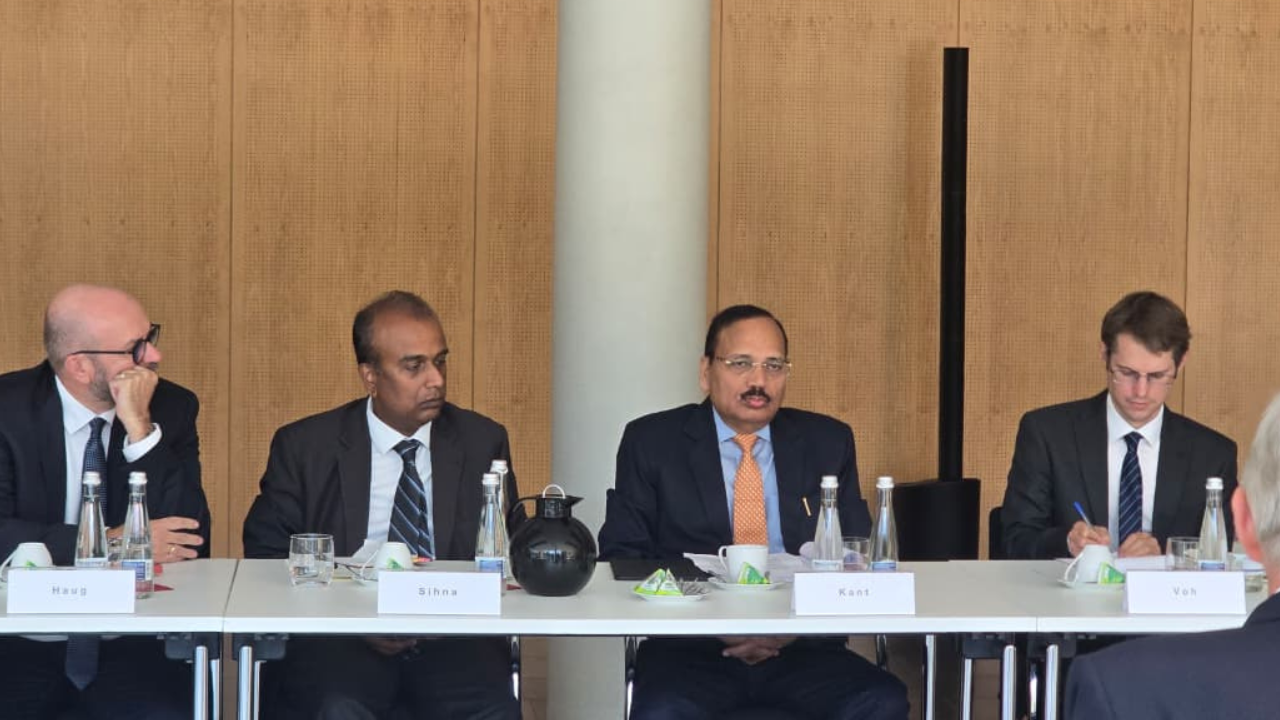
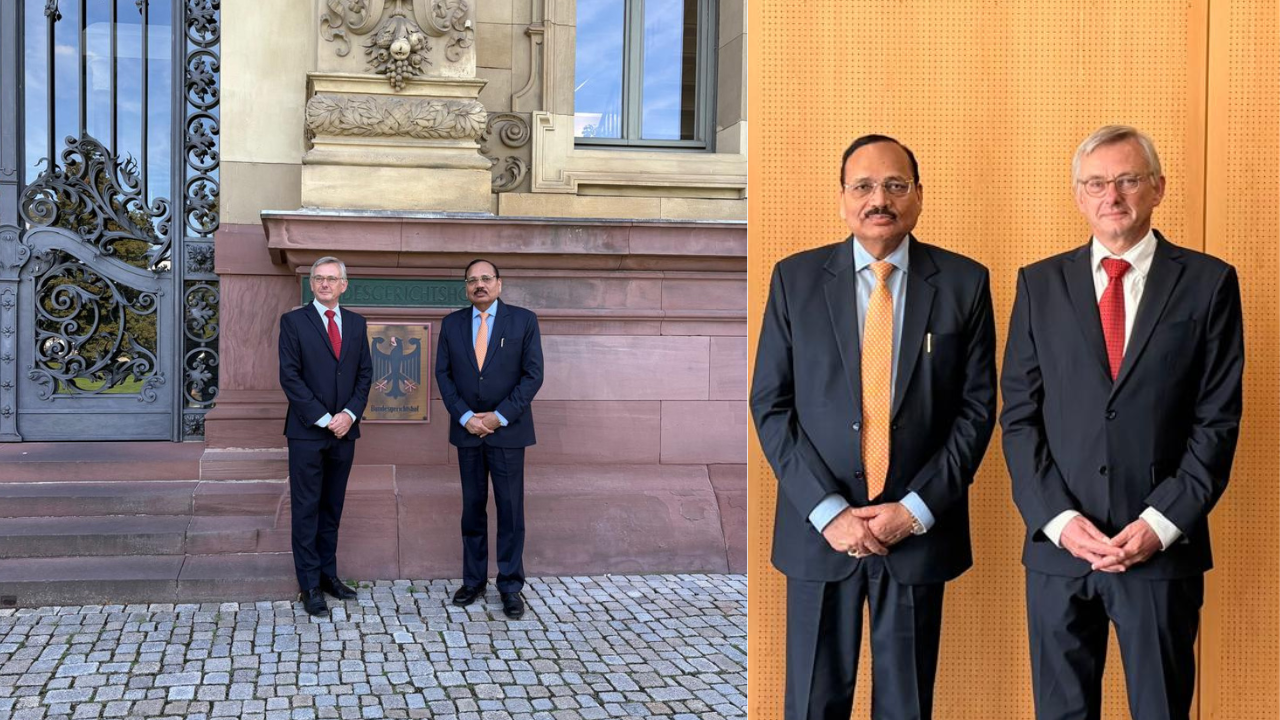
CJI Surya Kant addresses the gathering during the bilateral meeting with Dr Ulrich Herrmann and the German judicial delegation (Img: Dynamite News)
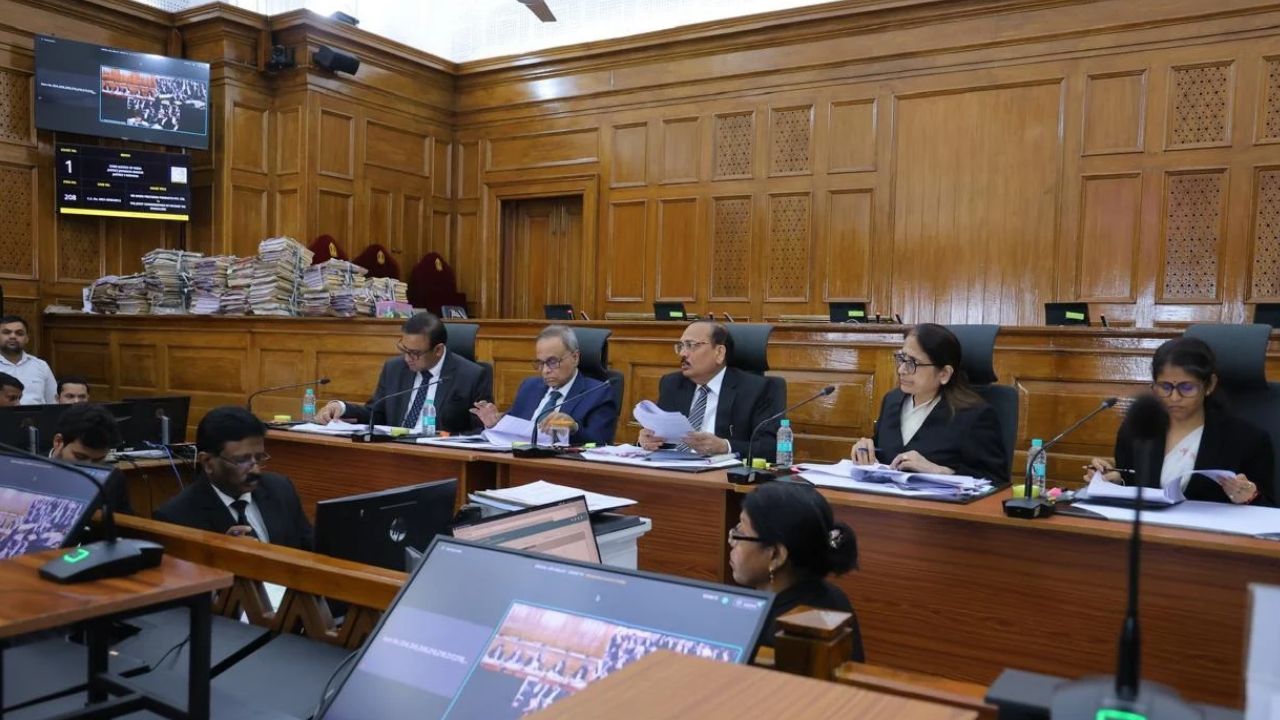
New Delhi: Chief Justice of India (CJI) Surya Kant held a bilateral meeting with Dr Ulrich Herrmann, Presiding Judge of the Federal Court of Justice, Karlsruhe, Germany, along with the accompanying delegation from the German court.
The meeting focused on strengthening judicial cooperation between India and Germany and exploring solutions to common challenges faced by modern justice systems, including increasing litigation, timely disposal of cases, use of technology and improving access to justice.
CJI Surya Kant highlighted that despite differences in the judicial structures of both countries, there is significant scope for learning from each other’s experiences.
“India and Germany have developed different judicial structures and legal traditions. These differences make the exchange particularly useful because they allow us to compare how our institutions deal with common concerns,” CJI Surya Kant said.
A key discussion during the meeting was the role of artificial intelligence and technology in the administration of justice.
CJI Surya Kant said courts must use technology to become more accessible, transparent and efficient, but digital tools should only support judicial processes and not influence final decisions.
“Artificial intelligence may augment judicial reasoning, but it cannot substitute the judicial conscience,” CJI Surya Kant said.
He explained that AI can assist in areas such as legal research, translation, case management and administrative work, but the responsibility of delivering justice must remain with judges.
“Technology is an instrument that helps courts fulfil their constitutional responsibility; it is not an end in itself,” he added.
The CJI also highlighted India’s eCourts Mission Mode Project Phase III, which is aimed at expanding digital infrastructure across courts. The initiative includes electronic filing, digital case records, online services and improved access to court information.
During the interaction, CJI Surya Kant spoke about India’s technology-driven judicial initiatives, including SUPACE, LegRAA and SUVAS.
These platforms assist judges and citizens by supporting legal research, translation of judgments into regional languages and providing easier access to judicial information.
The CJI said India’s approach is focused on using technology while keeping constitutional values and judicial independence at the centre.
The meeting also covered the role of mediation and alternative dispute resolution mechanisms, especially for cross-border commercial disputes.
CJI Surya Kant said mediation helps parties resolve disputes through dialogue and mutual agreement instead of lengthy legal battles.
“Mediation is, at heart, a psychological process. Parties are far more likely to honour a settlement they helped negotiate than one imposed on them,” he said.
He referred to the Mediation Act, 2023, which provides a dedicated legal framework for mediation in India, including international and online mediation.
Both sides discussed possibilities of cooperation between India and Germany in areas such as cross-border mediation, recognition of settlements and training programmes for mediators.
CJI Surya Kant welcomed the proposal for a structured judicial exchange programme between India and Germany.
The proposed cooperation may include reciprocal judicial visits, workshops, observation of court proceedings and sharing of experiences related to digital courts, cybersecurity, electronic records and court administration.
The CJI said judicial cooperation between the two countries can help both systems respond better to changing legal challenges.
“Technology and administrative reform can support this responsibility, but neither can replace careful adjudication, human judgment and fidelity to law,” CJI Surya Kant said.
The meeting concluded with both sides expressing commitment to continue dialogue and develop a practical framework for stronger judicial cooperation between India and Germany.