English
 English

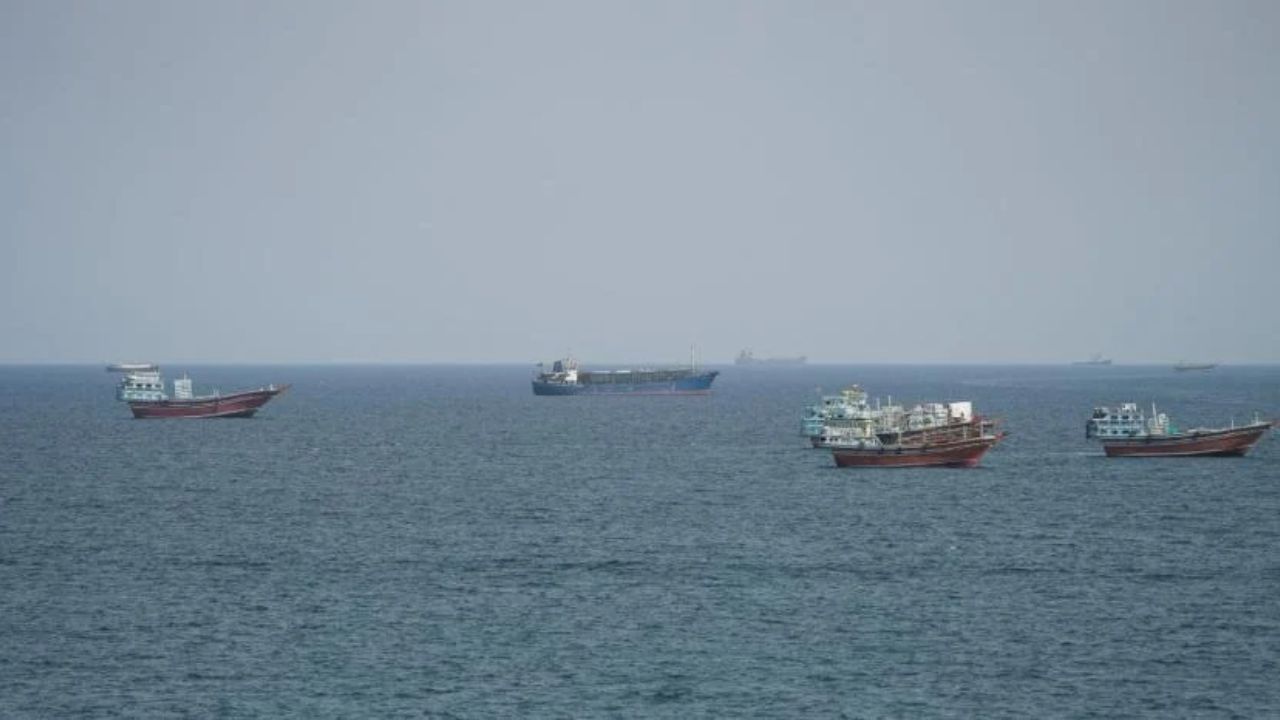
Global Shipping Hit as Iran-US Standoff Intensifies (Image Source: TankerTracker)
New Delhi: Tensions in the Strait of Hormuz have reached a critical level. This is the world's most vital oil route, where the situation has suddenly deteriorated. The impact of the escalating confrontation between Iran and the United States is now directly visible in international shipping operations.
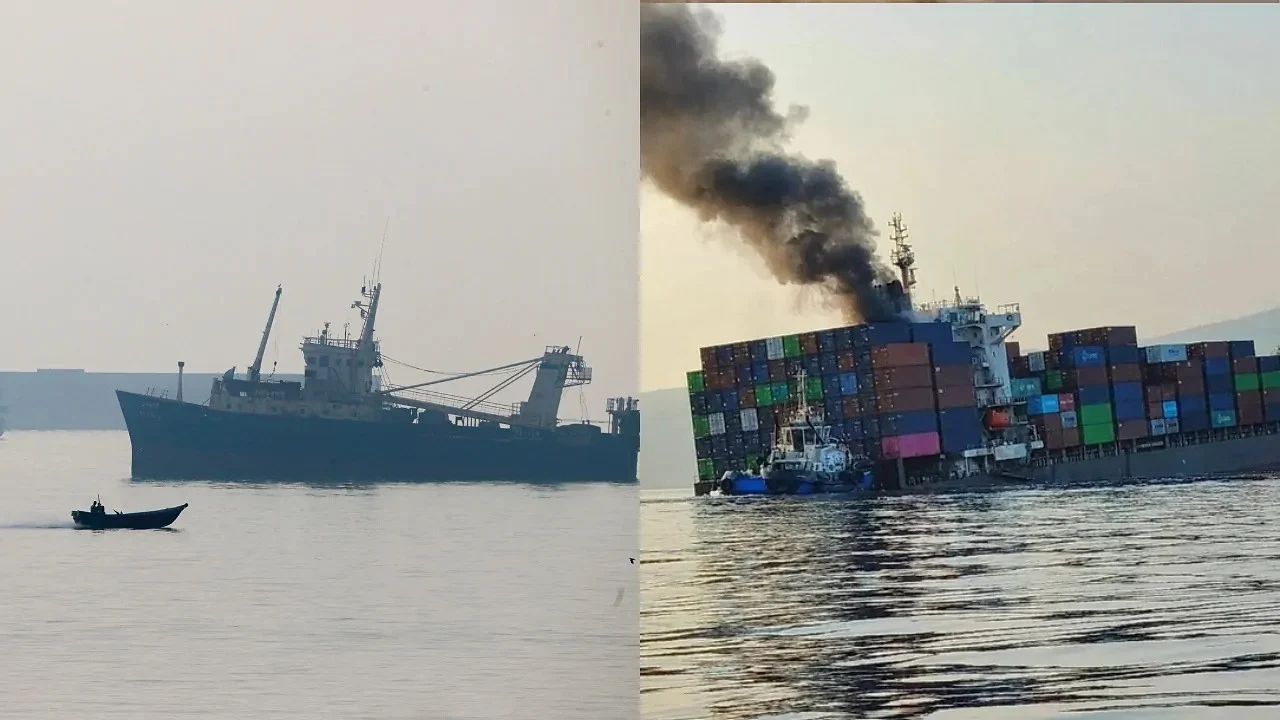
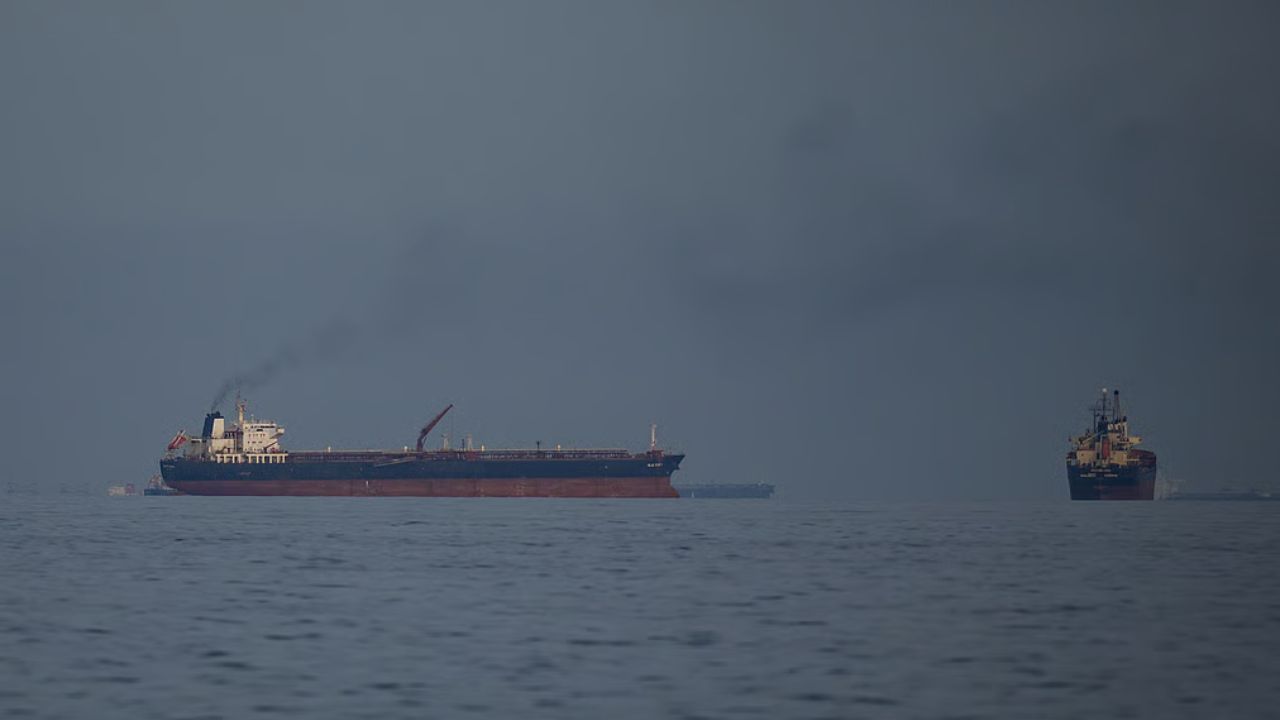
According to TankerTrackers.com and IRIB (Iran's State Media), two Indian vessels (Jag Arnav and Sanmar Herald) were forced to turn back from their intended course after being fired upon by Iran Navy north of Oman. Among them was a massive supertanker carrying approximately 2 million barrels of Iraqi crude oil.
According to initial reports, Jag Arnav was fired upon, while Sanmar Herald was not targeted and remained unharmed. Following reports of gunfire in the area, the vessels altered their routes as a precautionary safety measure. MEA is likely call Iran's envoy.
🚨 BREAKING
Two Indian vessels were forced back west out of the Strait of Hormuz by Iran's Navy. Firing was involved.
One of the vessels is an Indian-flagged VLCC supertanker carrying 2 million barrels of Iraqi oil. pic.twitter.com/Gb87u1AkP5— IRIB (Islamic Republic of Iran Broadcasting) (@iribnews_irib) April 18, 2026
Gunfire by Iran Sparks Alarm
According to a British maritime security agency, two gunboats belonging to Iran's Revolutionary Guards (IRGC) opened fire on a tanker before firing at the India Flagged ships. This incident occurred approximately 37 kilometers northeast of Oman. However, to our relief, both the vessel and its crew have been reported safe.
Initially, Iran had signaled its intention to keep this waterway open; however, it subsequently reversed its decision and reimposed strict controls. Iran has explicitly stated that it will not keep this route fully open until the United States lifts its economic blockade.
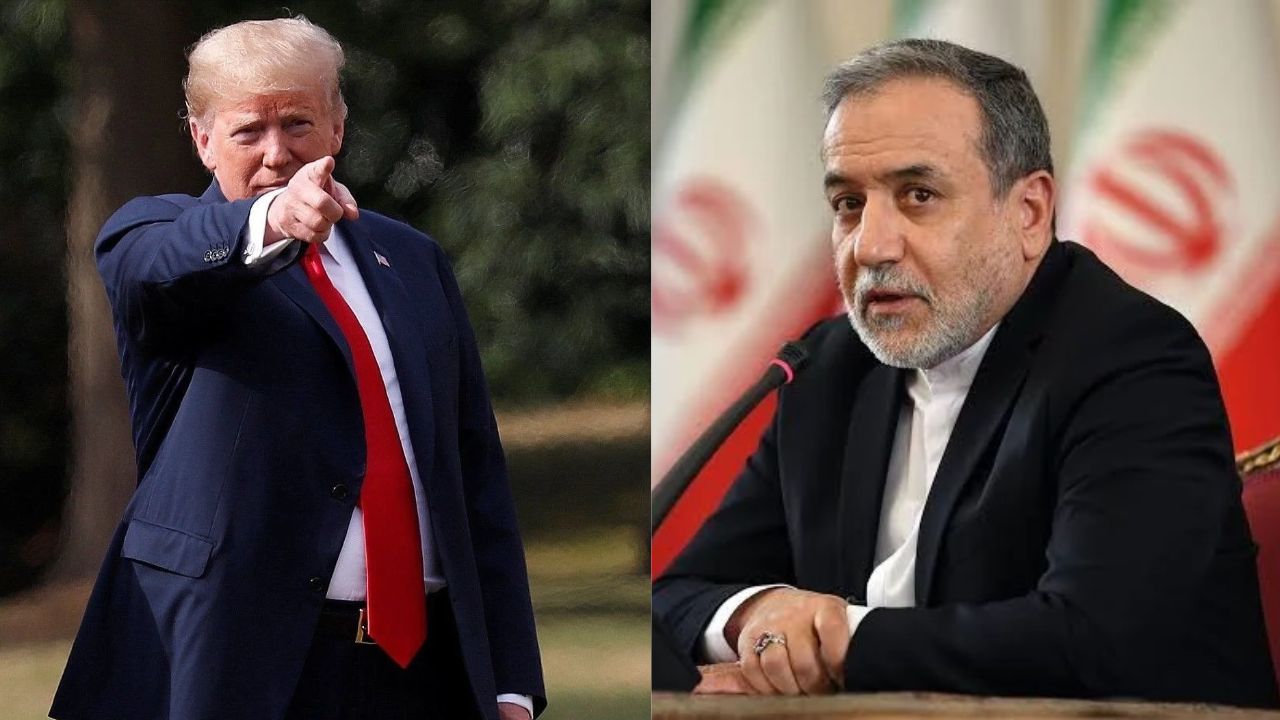
The United States, too, has shown no signs of softening its stance. President Donald Trump has declared that the blockade against Iran will remain in effect until a concrete agreement is reached between the two nations.
Moreover, the US has forced 23 ships to turn around near the Strait of Hormuz since a naval blockade of Iranian ports was established, according to Central Command (CentCom). In a post on X, CentCom says American forces are still enforcing the blockade, which began on 13 April.
A significant portion of the world's oil supply passes through the Strait of Hormuz. Consequently, any disruption in this region has a direct and immediate impact on global oil prices and supply chains. This could impact the economies of several countries, including India.
The escalating tension in the Strait of Hormuz is no longer merely a regional issue; it has evolved into a global concern. The firing on Indian vessels serves as an indication of just how grave the situation has become. If a resolution is not found soon, the crisis could deepen further.