 English
 English

India celebrates Krishna’s birth with thousands of traditions, colours and emotions
New Delhi: When the clock strikes midnight and the world falls silent, millions of hearts across India begin to echo with one divine name, Krishna. Every region of the country comes alive on Janmashtami, celebrating the birth of the eighth avatar of Lord Vishnu with unmatched gaiety, contagious fervour and boundless joy.
The festival is not merely a religious occasion; it is a living tapestry of India’s spiritual heritage, where mythology, folklore, music, dance and devotion blend together to create an atmosphere of divine celebration.
From the birthplace of Krishna in Mathura and the enchanting streets of Vrindavan to the coastal towns of Gujarat, the villages of Maharashtra, the homes of South India and the valleys of Jammu and Kashmir, every corner of India narrates its own beautiful version of Krishna’s arrival.
The festival commemorates the birth of Lord Krishna, who according to Hindu scriptures appeared on Earth thousands of years ago to restore righteousness, protect the innocent and guide humanity towards the path of dharma. The midnight celebration symbolises the divine moment when Krishna was born in the prison of Mathura to Devaki and Vasudeva and later carried across the Yamuna River to Gokul to protect him from the tyranny of King Kansa.
Across India, devotees observe fasts, decorate temples and homes, sing devotional songs, perform elaborate rituals and recreate scenes from Krishna’s childhood, keeping alive the timeless memories of the beloved “Bal Gopal”.
While Maharashtra is famous worldwide for its energetic Dahi-Handi celebrations, the village of Kurdus in Alibaug has transformed this tradition into a breathtaking spectacle unlike anywhere else. Here, the butter pot is not suspended high above a street or open ground. Instead, it hangs above a community well filled with water, creating a dramatic combination of devotion, courage and teamwork.
The unique tradition, believed to have been documented since 1992, began when young men from local families introduced a new dimension to the popular Krishna ritual. In earlier years, participants took support from a custard apple tree while attempting to reach the handi. Over time, their confidence grew, and the tradition evolved into a daring water-based celebration.
On Janmashtami, Govindas gather around the well and form human chains and pyramids on the parapet to touch the suspended butter pot. Unlike traditional Dahi-Handi celebrations where breaking the pot marks victory, in Kurdus, even touching the handi is considered a successful achievement.
The final moment arrives when the pot is lowered and participants jump into the water, turning the celebration into a spectacular display of faith, unity and youthful spirit.
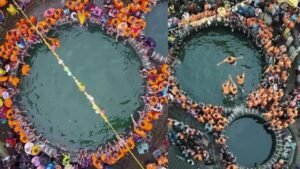
Maharashtra village performs world-famous Dahi-Handi over water on Janmashtami
Thousands of kilometres away, South India celebrates Janmashtami through a gentle and deeply emotional ritual that captures the innocence of child Krishna. In many households across Tamil Nadu and neighbouring regions, devotees draw tiny footprints made from rice flour paste from the entrance of their homes leading towards the prayer room.
The tiny footprints symbolise baby Krishna entering the house, bringing divine blessings, happiness and prosperity. The ritual transforms ordinary homes into sacred spaces, where every little mark becomes a symbol of faith and every step represents the arrival of the beloved deity.
Families also prepare traditional delicacies such as seedai, murukku and chakkuli, along with offerings of butter, milk and sweets associated with Krishna’s childhood love for dairy products.
In Kerala, the festival is celebrated as Ashtami Rohini with temple rituals, processions and traditional feasts, while Karnataka’s Udupi Sri Krishna Matha becomes a centre of devotion with special worship traditions linked to Lord Krishna.
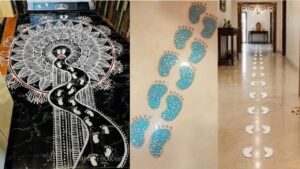
Tiny Krishna footprints welcome the divine child into South Indian homes
For devotees, Janmashtami reaches its spiritual peak in Mathura, Vrindavan and Gokul, the sacred land associated with Krishna’s childhood. The ancient temples glow with thousands of lamps, devotional chants fill the air and streets turn into rivers of celebration.
Elaborate jhankis depicting Krishna’s life, from his playful childhood moments to his divine teachings, attract devotees from across India and abroad. In Braj, the celebration is not just a festival but an emotional homecoming — a moment when devotees believe they are reliving the era of Krishna’s divine presence.
Among the countless rituals associated with Janmashtami, the Mangala Aarti at Vrindavan’s famous Banke Bihari Temple holds a special place in the hearts of devotees. Unlike many temples where Mangala Aarti is performed daily in the early morning, the Banke Bihari Temple observes this sacred ritual only once a year, on the night of Janmashtami.
The rare aarti takes place after midnight, around the early hours of the morning, when devotees gather to witness a deeply spiritual moment. During this occasion, devotees also receive the special privilege of Charan Darshan, the viewing of Lord Banke Bihari’s feet, which are usually not visible during regular darshan.
A special Mahabhishek is performed with sacred offerings including milk, curd, honey and ghee, marking the divine birth celebration of Krishna.
According to temple traditions, Lord Banke Bihari is worshipped in his child form, and therefore devotees believe that he should not be disturbed with early morning rituals every day. The once-a-year Mangala Aarti reflects the unique emotions of treating Krishna as a beloved child rather than merely a deity.
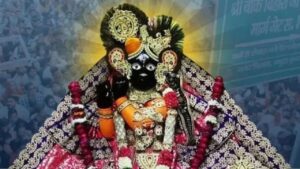
Rare Mangala Aarti at Banke Bihari Temple attracts devotees on Janmashtami night
In Jammu and Kashmir, Janmashtami carries a distinctive cultural identity shaped by the region’s diverse traditions. Among Kashmiri Pandits, the festival is known as Zaram Satam, a name deeply rooted in local heritage.
Devotees observe fasts throughout the day and gather at Thokur Kuth, household or community Krishna shrines, around midnight for special prayers and abhishek rituals. Traditional fasting delicacies including gaer, singhada lapsi, dry fruits and seasonal fruits form an important part of the celebration.
In Srinagar, efforts to revive heritage traditions have brought back evening prayers along the banks of the Jhelum River, where devotees perform puja and float traditional earthen lamps on the water. The sight of glowing diyas moving gently across the river creates a breathtaking spiritual atmosphere.
In Jammu’s Dogra culture, Janmashtami arrives with a unique festive charm. Rooftops come alive with colourful kite-flying competitions, music fills neighbourhoods and families prepare special offerings for Bal Krishna.
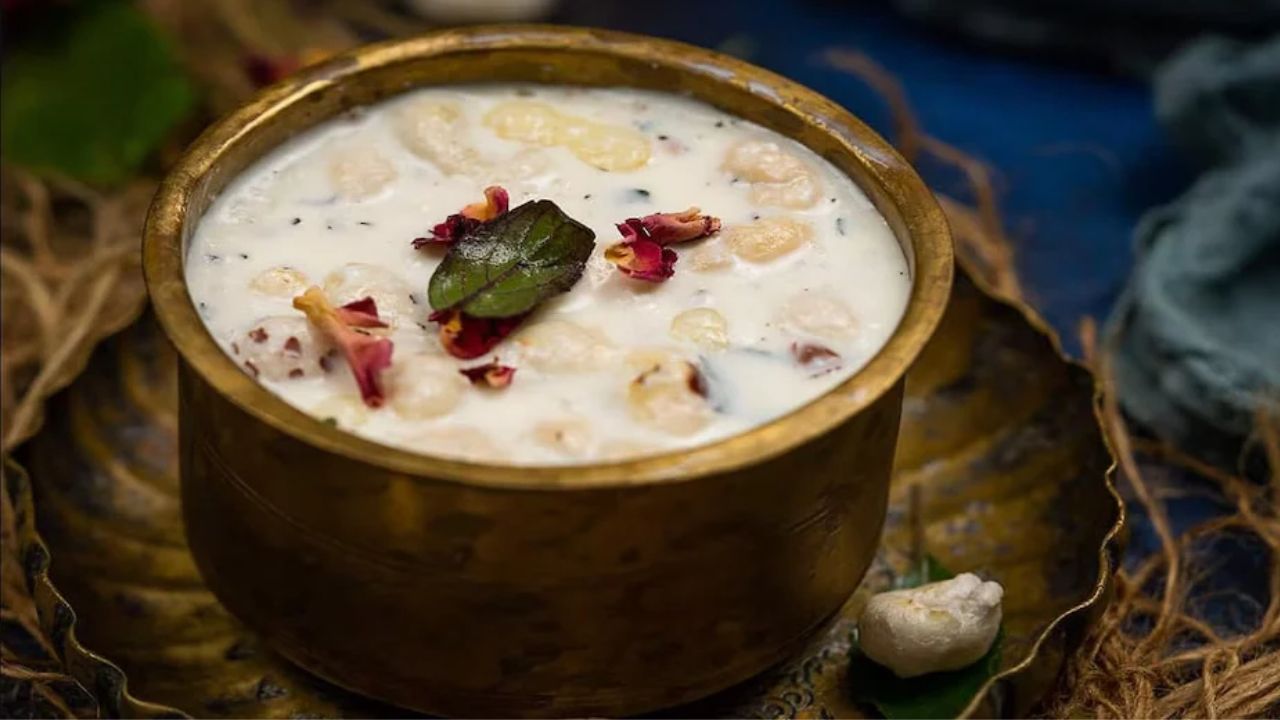
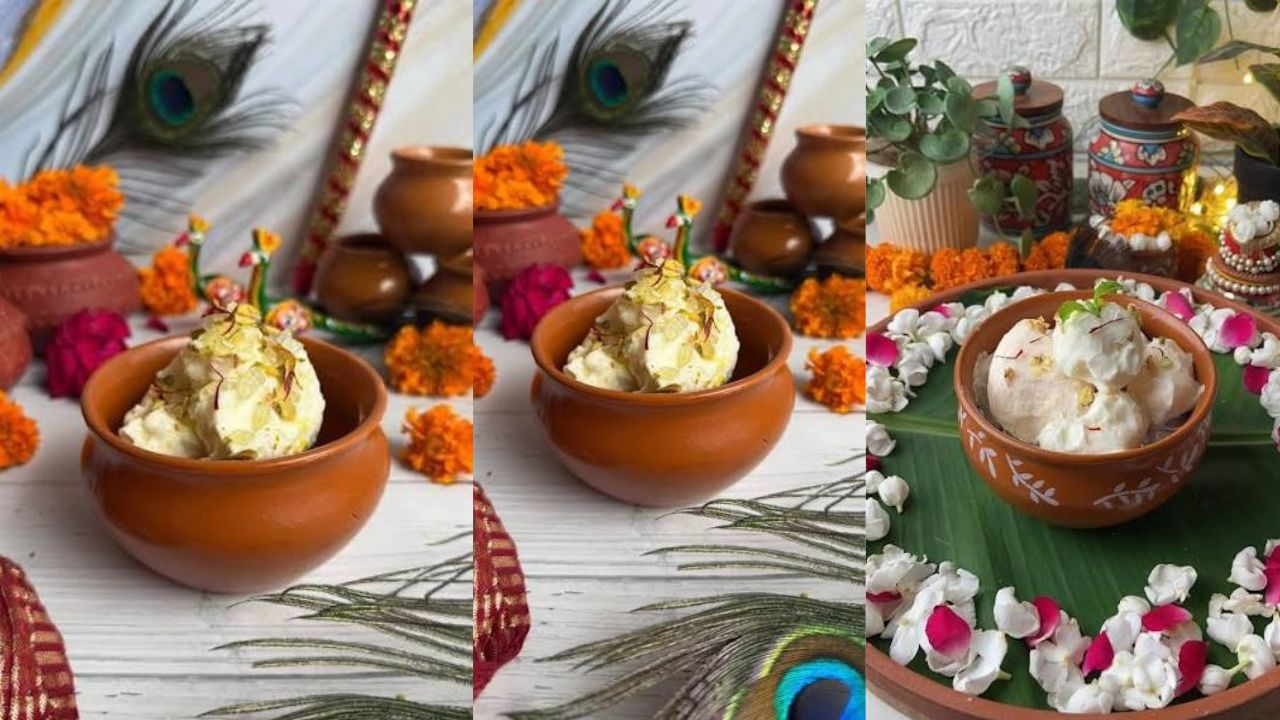
At midnight, Laddoo Gopal is offered Sund-Panjeeri, a traditional Dogra delicacy prepared with dry ginger powder, desi ghee, sugar and dry fruits. Some households also follow customs like Deyaa Parna, where grains are kept in family members’ names as a symbol of prosperity, and prepare traditional dishes connected with ancestral beliefs.
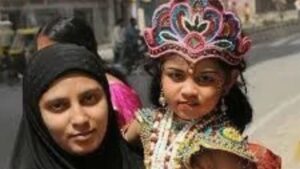
Jammu and Kashmir celebrates Janmashtami with distinctive cultural identity
Beyond rituals and temple ceremonies, Ras Leela remains one of the most enchanting expressions of Krishna devotion. Performed in regions including Braj, Dwarka, Rajasthan, Assam and Manipur, these dramatic dance-theatre performances recreate Krishna’s childhood, his playful interactions with the Gopis and his divine bond with Radha.
With colourful costumes, traditional music and elaborate stage settings, Ras Leela transforms ancient scriptures into a living performance that continues to inspire generations. In Manipur, the graceful Ras Leela performances blend devotion with classical dance traditions, while communities in eastern India celebrate with devotional singing, fasting and special offerings.
Another beautiful tradition associated with Janmashtami is Jhulan Utsav, where devotees place Bal Krishna on beautifully decorated swings. The gentle movement of the swing represents a mother’s affection for her child. Devotees sing lullabies and bhajans while rocking the idol, creating an atmosphere filled with tenderness and devotion.
The ritual reflects the emotional connection between devotees and Krishna, not just as a divine figure, but as a cherished child welcomed into their homes.
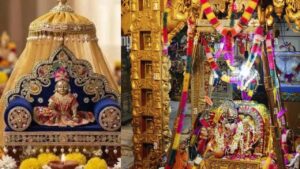
Jhulan Utsav: A timeless tradition celebrating Krishna’s divine childhood with devotion and love
In Gujarat’s Dwarka, believed to be the ancient kingdom of Lord Krishna, Janmashtami carries a royal spiritual grandeur. Temples host grand aartis, devotional programmes and cultural performances.
Folk traditions like Garba and Raas add colour to the celebrations, while rural communities organise processions decorated with traditional elements. The festival becomes a reminder of Krishna’s journey, from the playful child of Gokul to the wise king of Dwarka.
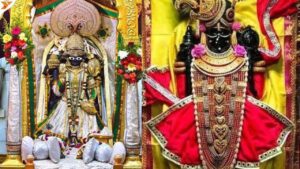
From Rajasthan to Gujarat, India celebrates Lord Krishna’s arrival in unique ways
Beyond celebrations, colours and rituals, Janmashtami carries the timeless message of righteousness, compassion and duty. The teachings of Krishna in the Bhagavad Gita continue to guide millions across the world, reminding humanity about courage, balance and the importance of following dharma even during difficult times.
As temples illuminate the night sky and homes welcome the divine child with open hearts, Janmashtami remains a celebration not just of a birth, but of hope, wisdom and the eternal victory of good over evil.