English
 English

JK CM Omar Abdullah responds to Pakistan PM Shehbaz Sharif’s Indus Waters Treaty warning, highlighting J&K’s river rights and water resource concerns.
Jammu: Jammu and Kashmir Chief Minister Omar Abdullah on Friday responded sharply to Pakistan Prime Minister Shehbaz Sharif’s warning on the Indus Waters Treaty, saying that Jammu and Kashmir has suffered due to restrictions on using its own river resources. The fresh war of words has brought the India-Pakistan water dispute back into focus, raising questions over river rights, national security and the future of the decades-old treaty.
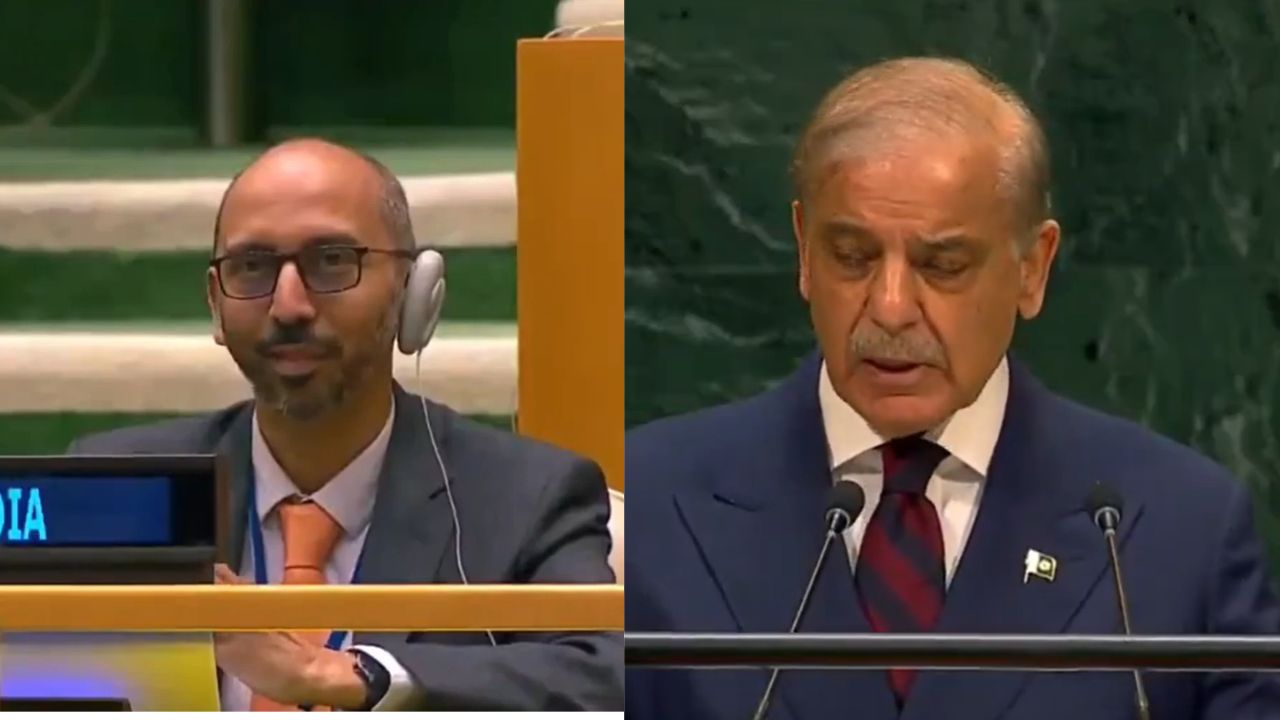
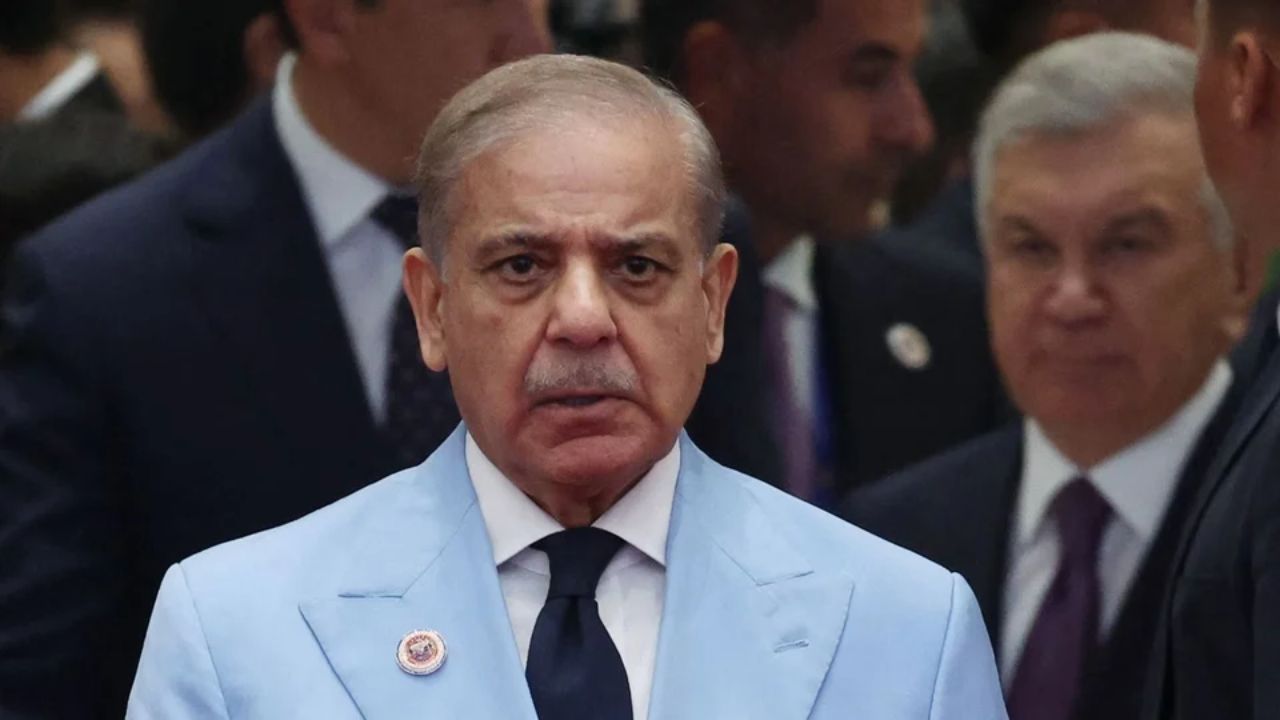
The political clash began after Sharif described Pakistan’s water as a "red line" and warned that Islamabad would give a direct response if its water supplies were threatened. His remarks came amid tensions over India’s decision to keep the Indus Waters Treaty in abeyance.
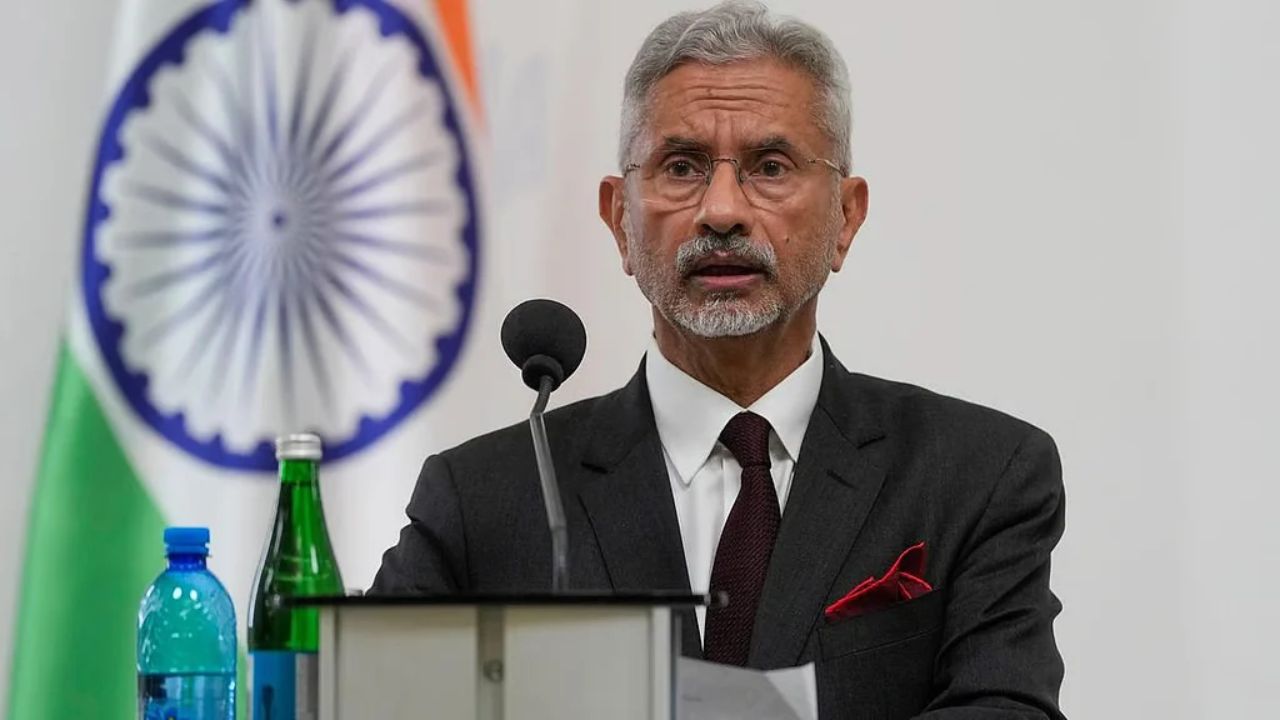
Reacting to Pakistan’s position, Abdullah questioned Islamabad’s claims of supporting the people of Jammu and Kashmir while opposing India’s efforts to utilise river waters flowing through the Union Territory.
The J&K Chief Minister argued that the region has faced limitations in using its own water resources for development, including drinking water projects, irrigation networks, navigation facilities and hydropower generation.
Abdullah said the debate should not only focus on Pakistan’s concerns but also address the impact of the Indus Waters Treaty on Jammu and Kashmir, where several important rivers of the Indus basin flow.
The Indus Waters Treaty, signed in 1960 with World Bank mediation, governs the sharing and utilisation of river waters between India and Pakistan. Under the agreement, India received control over the eastern rivers, including Ravi, Beas and Sutlej, while Pakistan received rights over the western rivers, including Indus, Jhelum and Chenab. However, India has certain rights over the western rivers for limited irrigation, hydroelectric power generation and other permitted activities under treaty provisions.
For decades, the agreement remained active despite wars, military tensions and diplomatic disputes between the two countries. The current disagreement has turned the treaty into a major geopolitical issue.
Omar Abdullah highlighted that rivers such as Chenab and Jhelum are crucial for Jammu and Kashmir’s economic future. He argued that restrictions under the treaty affected the region’s ability to fully develop its water infrastructure and utilise its hydropower potential.
The Chief Minister referred to issues surrounding projects linked with the Chenab and Jhelum rivers, including water storage, irrigation expansion and navigation facilities. According to Abdullah, Jammu and Kashmir should get greater opportunity to use its natural resources for electricity production, agriculture and regional development.
India placed the Indus Waters Treaty in abeyance following the Pahalgam terror attack. The government stated that the agreement would remain suspended until Pakistan takes credible and irreversible steps against cross-border terrorism.
The move marked a major change in India’s approach towards the water-sharing agreement, which had survived several decades of political and military tensions.
For Pakistan, the Indus river system is a critical lifeline for agriculture, irrigation and food security. The country depends heavily on these rivers for farming activities and economic stability. Islamabad has repeatedly raised concerns over any move that could affect water availability, while India has maintained that its actions remain connected with national security concerns and treaty provisions.
The latest exchange between Omar Abdullah and Shehbaz Sharif has increased diplomatic tension between the two neighbouring countries. The dispute is no longer limited to water-sharing rules but has expanded into a larger discussion involving terrorism, strategic resources, regional security and economic development. Water security is expected to remain one of the most sensitive issues in India-Pakistan relations in the coming months.
During his interaction with reporters, Omar Abdullah also condemned the attack on Shiromani Akali Dal president Sukhbir Singh Badal. He questioned the effectiveness of security arrangements and said violence against political leaders has no place in a democracy. Abdullah maintained that political disagreements should be resolved through democratic methods, elections and public debate rather than through attacks.
The future of the Indus Waters Treaty remains uncertain as both India and Pakistan continue to maintain strong positions. While Pakistan has warned against any threat to its water interests, India has linked the treaty’s status with concerns over cross-border terrorism. For Jammu and Kashmir, the debate has opened a larger conversation about river ownership, resource utilisation and the region’s development rights.