 English
 English

No EWS Quota Relief for UP Health Worker Aspirants (Image: Internet)
New Delhi: The Supreme Court has refused to grant Economically Weaker Section (EWS) reservation benefits to candidates involved in a major Uttar Pradesh recruitment case, ruling that invalid income certificates cannot be accepted for eligibility.
A bench comprising Justice Manoj Misra and Justice Prasanna B. Varale heard a petition filed by Poonam Dwivedi and other candidates challenging an Allahabad High Court decision. The High Court had earlier rejected their claim for inclusion under the EWS category in a recruitment drive for female health workers.
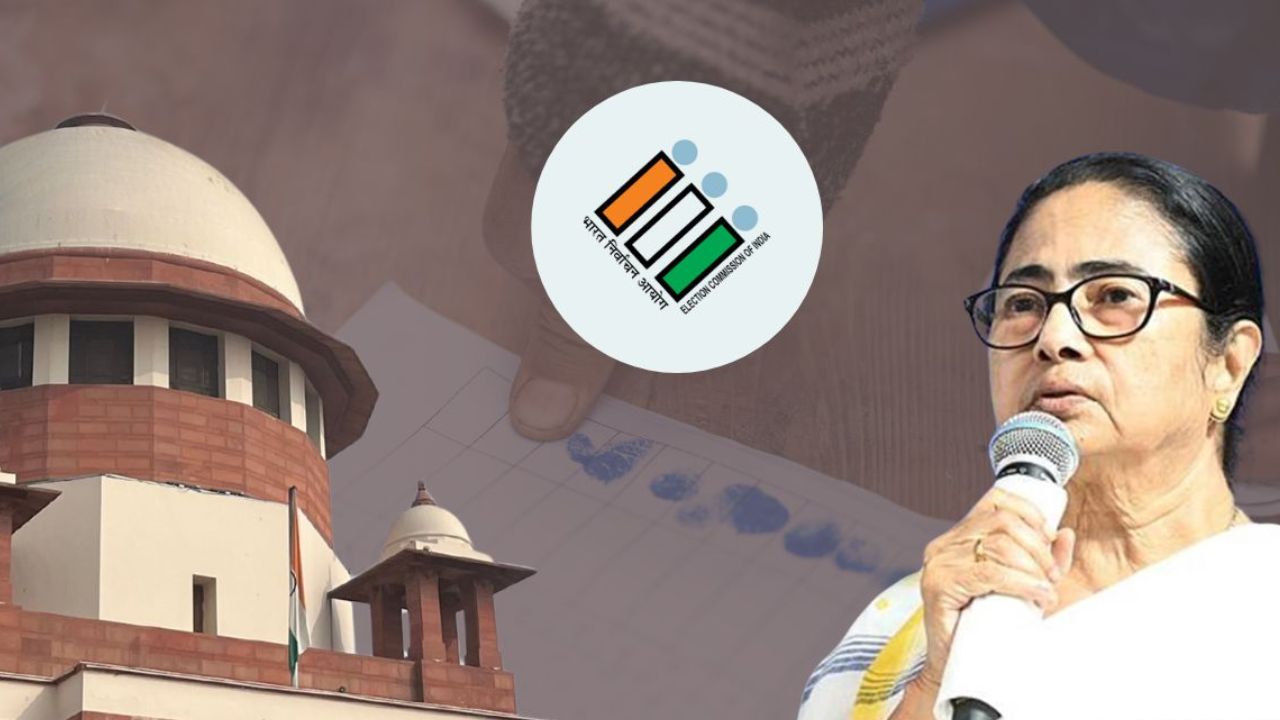
Assembly Elections 2026: No Supreme Court relief for West Bengal voters deleted in SIR process
Upholding the High Court order, the Supreme Court emphasised that candidates must produce valid EWS certificates corresponding to the correct financial year. The bench observed that eligibility rules in public recruitment processes must be followed strictly without relaxation.
The court noted that the certificates submitted by the appellants were either issued before the end of the relevant financial year or did not correspond to the required period, making them invalid for consideration.
In its ruling, the bench stated that there was a clear error in the certificates relied upon by the candidates. It remarked that documents not aligned with the prescribed financial year cannot be treated as valid proof for reservation claims.
The court further clarified that procedural lapses in documentation cannot be overlooked, even if candidates had cleared the written examination.
The dispute arose from a recruitment process involving more than 9,000 posts of female health workers in Uttar Pradesh. Several candidates who qualified under the EWS category were removed from the final selection list due to discrepancies in their income certificates.
The petitioners argued that the errors were caused by issuing authorities and confusion regarding the applicable financial year. However, the court rejected this argument, stating that candidates are responsible for ensuring proper documentation within the required timeline.
Land-for-jobs case: Supreme Court refuses to quash CBI FIR, chargesheet against Lalu Prasad Yadav
The bench concluded that there was no justification to interfere with the Allahabad High Court’s decision. It stressed that allowing such claims would disrupt recruitment timelines and affect thousands of applicants.
The Supreme Court reiterated that recruitment rules must be followed in letter and spirit. Even minor deviations in eligibility documents, it said, can lead to disqualification in public employment processes.