English
 English

Kapil Sibal raises concerns over reported transport and hotel restrictions as the Supreme Court hears urgent plea on proposed October (Img: X).
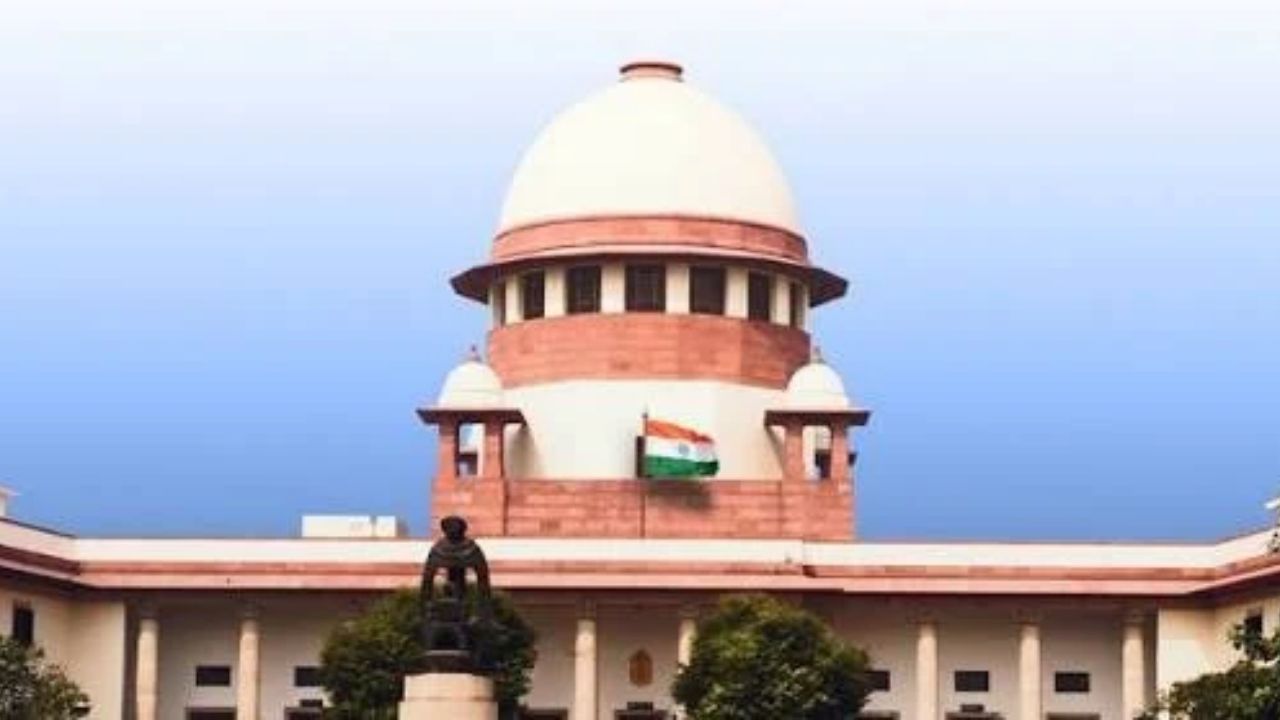
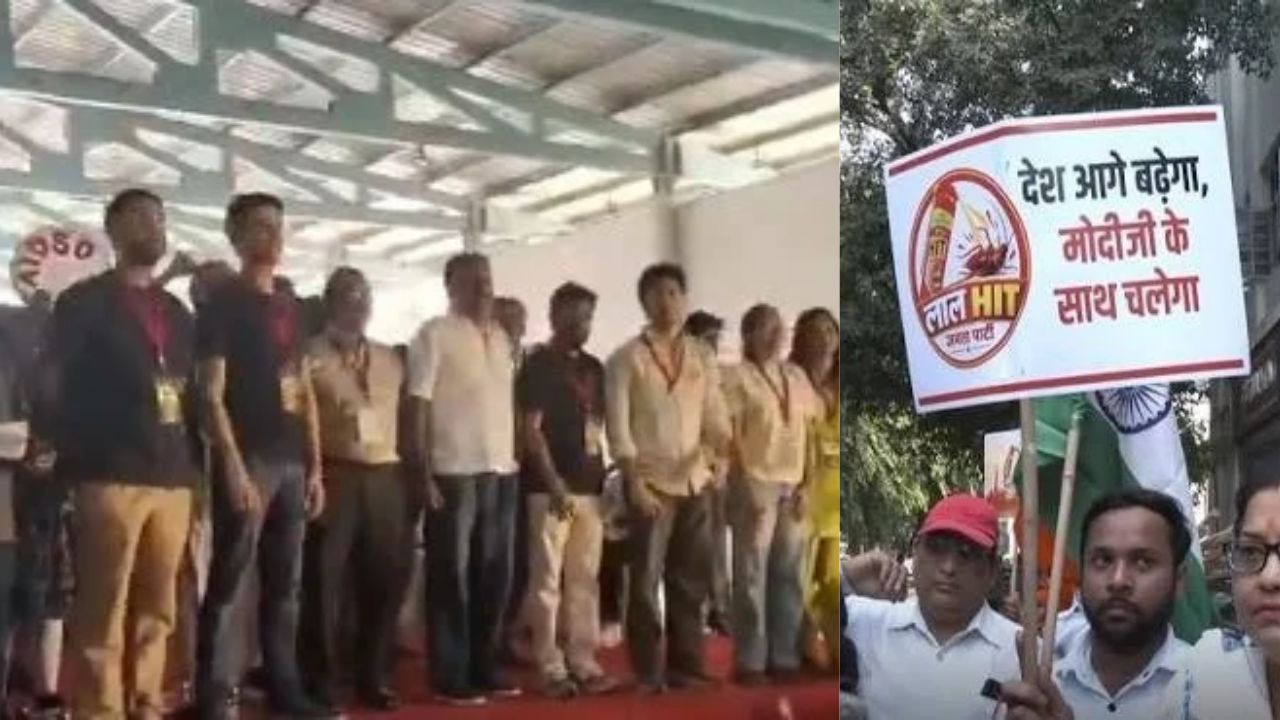
New Delhi: The Supreme Court on Friday examined concerns over proposed restrictions on Delhi Metro services, reported train cancellations and other preventive measures ahead of a demonstration scheduled for October 10 at Jantar Mantar. The protest, organised by the Cockroach Janta Party (CJP), is demanding the removal of Chief Election Commissioner Gyanesh Kumar.
The Bench of Chief Justice of India (CJI) Surya Kant and Justice Joymalya Bagchi heard submissions from Senior Advocates Kapil Sibal, Abhishek Manu Singhvi and Gopal Sankaranarayanan, along with Advocate Prashant Bhushan. The lawyers raised concerns that the reported measures could disrupt daily life for commuters and residents who have no involvement in the planned demonstration.
The Bench questioned why the organisers had not directly challenged the Delhi Police’s decision to deny permission for the gathering. Justice Bagchi observed that a protest held without the necessary authorisation would not comply with the law, while indicating that the court would need to examine the circumstances surrounding the refusal and the restrictions being considered by authorities.
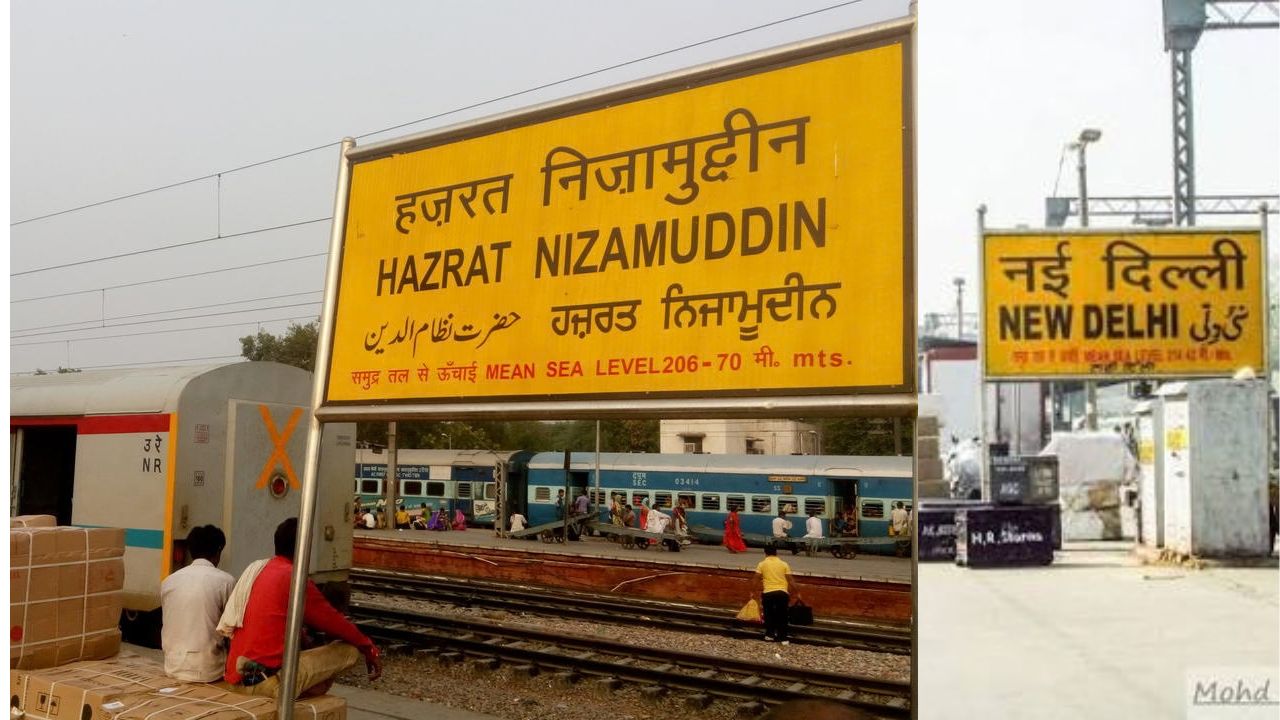
Senior advocate Kapil Sibal, appearing for CPI(M) leader M.A. Baby, raised concerns over reported cancellations of trains arriving in Delhi, including services bound for Hazrat Nizamuddin railway station. He also referred to claims that hotels had been asked not to accept fresh bookings.
Sibal argued that preparations for a proposed demonstration should not lead to measures that significantly interfere with the movement of people who need to travel for work, family commitments and other essential reasons.
During the hearing, Sibal questioned the scale of the reported restrictions, prompting Solicitor General Tushar Mehta to respond. The exchange centred on the idea that the country belongs to all citizens and that public authorities must consider the impact of their decisions on the wider population.
The lawyers sought urgent judicial scrutiny because the demonstration was scheduled for the following day. They argued that waiting for the related proceedings before the Delhi High Court could leave insufficient time to address the concerns before the planned gathering.
Sibal also clarified that he was representing M.A. Baby, who was approaching the court but was not himself organising the protest.
A key issue during the hearing was the absence of a direct challenge by the organisers to the Delhi Police’s refusal to grant permission for the demonstration.
Justice Bagchi indicated that the court would need to consider the legality of the proposed gathering alongside the proportionality of the preventive measures being discussed. The bench sought more information about the organisers, the expected number of participants and the process through which permission had been sought.
The court’s observations highlighted that the right to peaceful assembly does not automatically exempt a demonstration from applicable legal requirements. At the same time, the legal status of the protest and the necessity of restrictions affecting the wider public remain distinct questions that require examination.
The bench also considered whether the Delhi High Court could hear a related petition urgently, given the proximity of the scheduled demonstration.
No final ruling had been delivered at the stage described in the proceedings declaring the proposed transport restrictions unlawful or confirming that all the reported measures would be implemented.
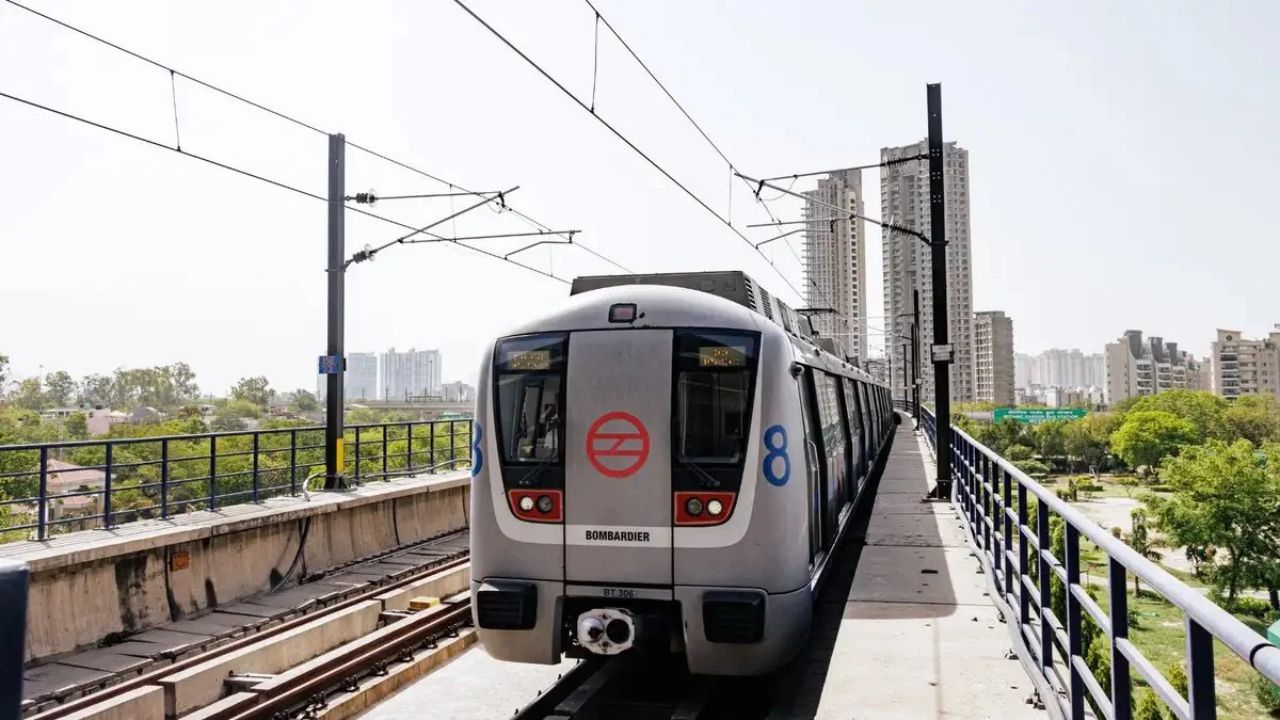
The proposed restrictions have drawn particular attention because a police communication dated October 8 asked the Delhi Metro Rail Corporation (DMRC) to consider closing entry and exit gates at 57 stations from 9 pm on October 9. The proposed measures could continue on October 10 until the situation returned to normal.
The communication, issued by the office of the Joint Commissioner of Police, Transport Range, also asked the Metro operator to consider reducing train frequency at the identified stations. The stated concern was the possibility of crowds moving towards sensitive locations in connection with the demonstration.
However, the proposed closures had not been formally confirmed by the DMRC at the time of reporting. The police request should therefore not be interpreted as confirmation that all the listed stations would be shut.
The stations identified in the circulated list include major transport hubs and locations in central Delhi, such as Rajiv Chowk, Central Secretariat, New Delhi, Patel Chowk, Janpath, Mandi House, ITO, Delhi Gate, Khan Market, Supreme Court and Indraprastha.
Other stations named in the communication include Lok Kalyan Marg, Seva Teerth (Udyog Bhawan), Bara Khamba Road, R.K. Ashram Marg, Jhandewalan, Shivaji Stadium, INA, Hauz Khas, Jor Bagh, Lajpat Nagar, Jangpura, Ashram and Sarai Kale Khan-Nizamuddin.
The list also covers stations including Kalindi Kunj, Jasola, Jamia Millia Islamia, Okhla Vihar, Chawri Bazar, Jama Masjid, Karol Bagh, Rajendra Place, Vishwavidyalaya, Vidhan Sabha, Civil Lines, Kashmere Gate, Inderlok and G.T.B. Nagar.
Stations in north and northwest Delhi mentioned in the communication include Kanhaiya Nagar, Netaji Subhash Place, Adarsh Nagar, Jahangir Puri, Haiderpur Badli Mor, Majlis Park, Shalimar Bagh, Rithala, Rohini East and Rohini West.
The list also includes Seelampur, Maujpur, Jafrabad, Welcome, Yamuna Vihar, Khazuri Khas and Shahdara. If implemented, restrictions affecting stations across several parts of Delhi could disrupt commuting patterns, particularly for people travelling between residential neighbourhoods, workplaces, educational institutions and commercial centres. Any actual impact, however, would depend on the final directions issued by the Metro operator and authorities.
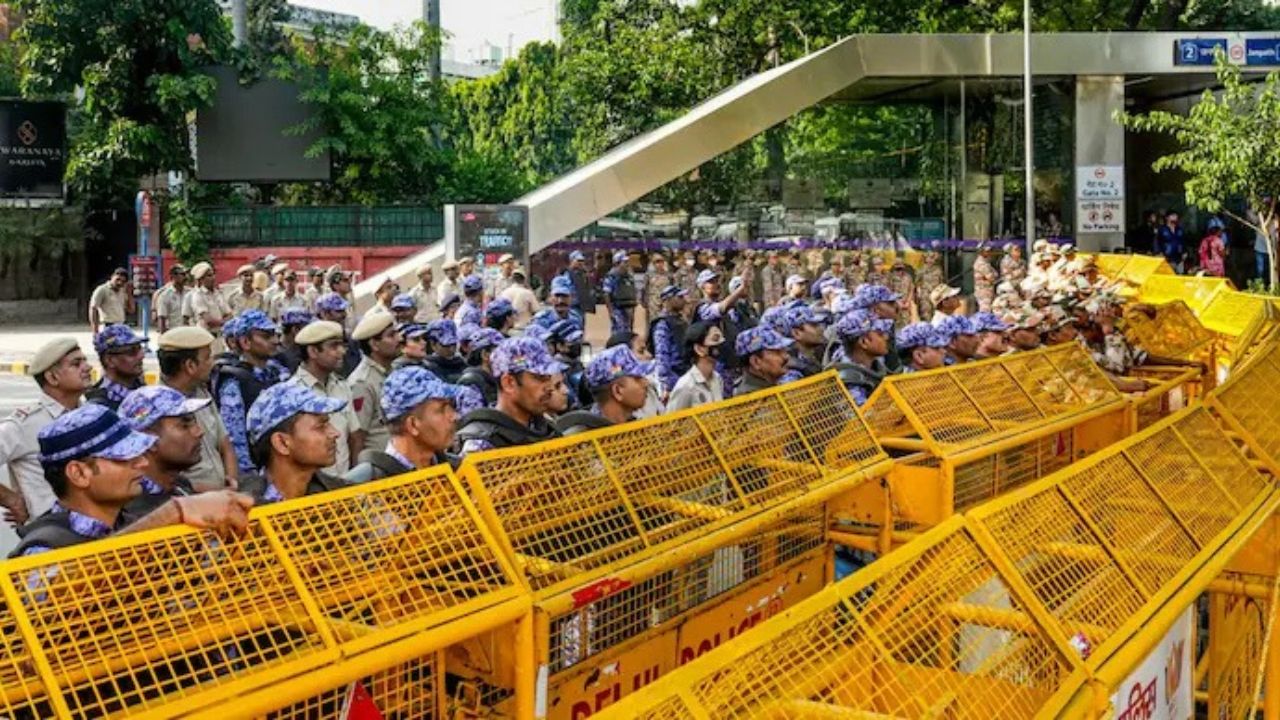
Senior advocate Abhishek Manu Singhvi questioned the scale of the reported security preparations. His submissions referred to the alleged deployment of 221 companies of Central Armed Police Forces, preparations for detention centres, restrictions affecting transport and hotel bookings, and advisories concerning participation in the protest.
The lawyers argued that preventive measures should be supported by a clear assessment of the risks and should not extend beyond what is necessary to address them.
Sankaranarayanan, appearing on behalf of residents likely to be affected, stressed the importance of proportionality. He argued that steps intended to prevent a possible law-and-order situation should not impose an excessive burden on the wider public.
Advocate Prashant Bhushan also raised concerns about reported restrictions and their potential effect on people in the capital. The submissions included allegations about additional preventive steps, which should be treated as claims made during the hearing rather than independently established findings.
The central question is whether the proposed arrangements are appropriately tailored to the anticipated security risks and whether less disruptive alternatives could achieve the same objectives.
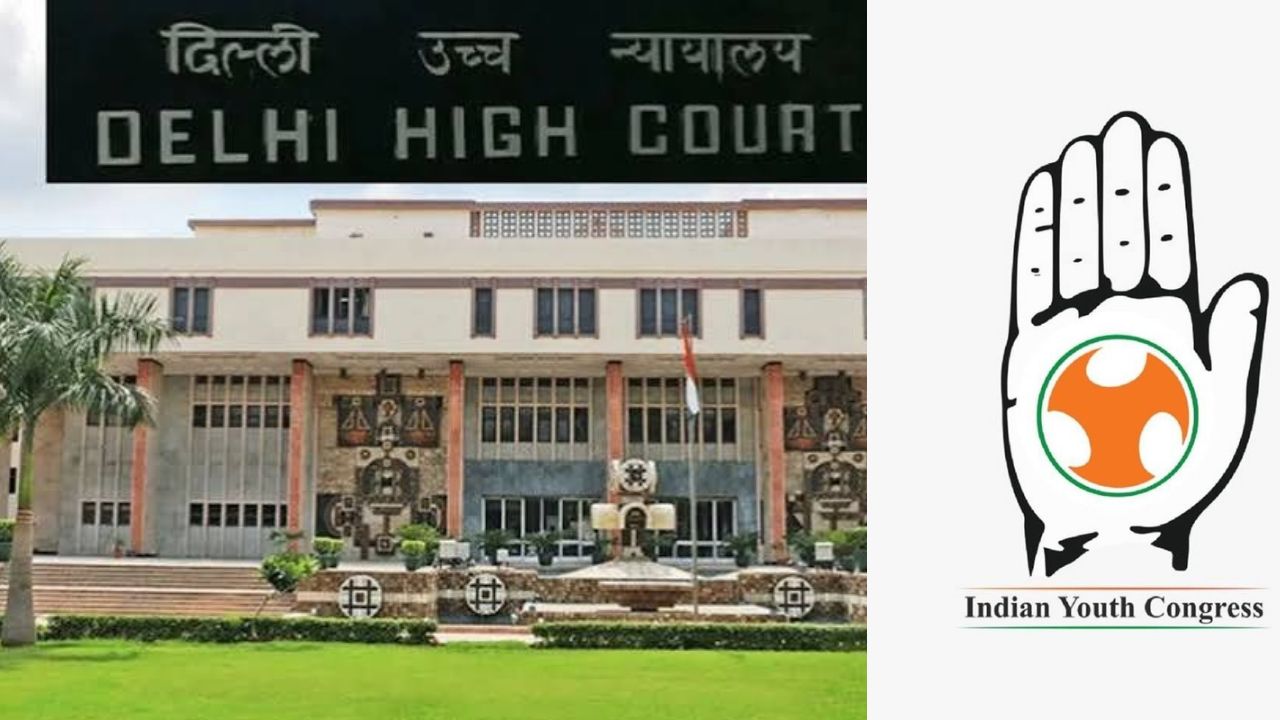
Advocate Vrinda Grover informed the Supreme Court that the Delhi Police had refused permission for the CJP demonstration at Jantar Mantar. She also referred to separate proceedings initiated by the Indian Youth Congress in the Delhi High Court after permission for a protest was reportedly denied.
According to the submissions, the Youth Congress matter had been adjourned until Monday. The timing raised concerns because the planned CJP demonstration was scheduled for October 10.
Grover also argued that extensive barricading could make it difficult for people to reach Jantar Mantar, a designated venue for demonstrations.
The Supreme Court considered the possibility of urgent consideration of the related High Court matter. The bench sought further details about the proposed gathering and the organisers’ legal position, indicating that a clearer picture was necessary before deciding what intervention, if any, was appropriate.
The proceedings therefore involve two connected issues: whether the organisers can secure permission for the demonstration and whether the preventive measures being considered by authorities are proportionate.
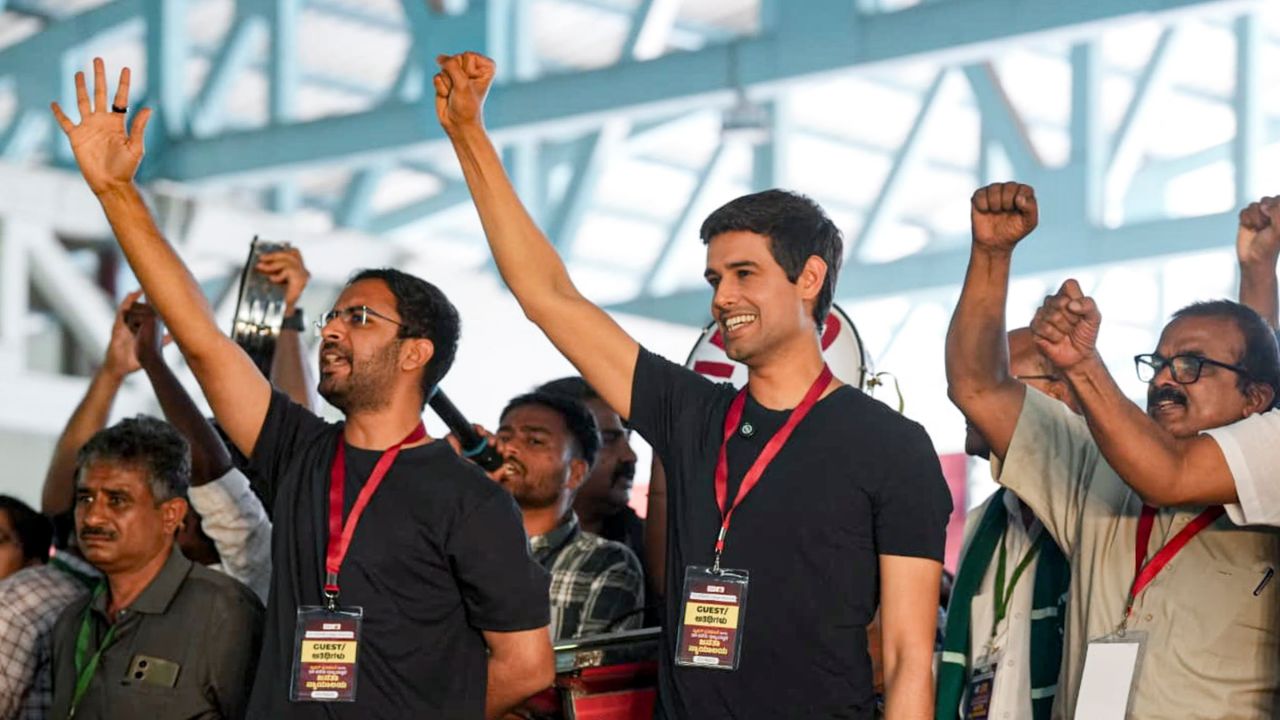
The CJP has called for a demonstration at Jantar Mantar demanding the removal of Chief Election Commissioner Gyanesh Kumar. The mobilisation is also linked to opposition to the Special Intensive Revision (SIR) of electoral rolls.
The dispute forms part of a wider political debate over voter-list revisions, electoral transparency and the functioning of election authorities. Allegations of electoral irregularities raised by political parties remain contested claims and should not be treated as established findings.
The Delhi Police has cited the short notice for the gathering, concerns arising from an earlier protest, and potential law-and-order and traffic-management challenges as reasons for refusing permission. Authorities have also referred to prohibitory restrictions imposed under Section 163 of the Bharatiya Nagarik Suraksha Sanhita in parts of New Delhi.
These factors have made the proposed demonstration a test of how authorities manage public gatherings while accounting for the rights and needs of people who are not participating.
The Supreme Court observed that it needed additional information about the organisers, the permission process and the proposed demonstration. The possibility of urgent consideration by the Delhi High Court was also discussed because of the short time remaining before October 10.