 English
 English

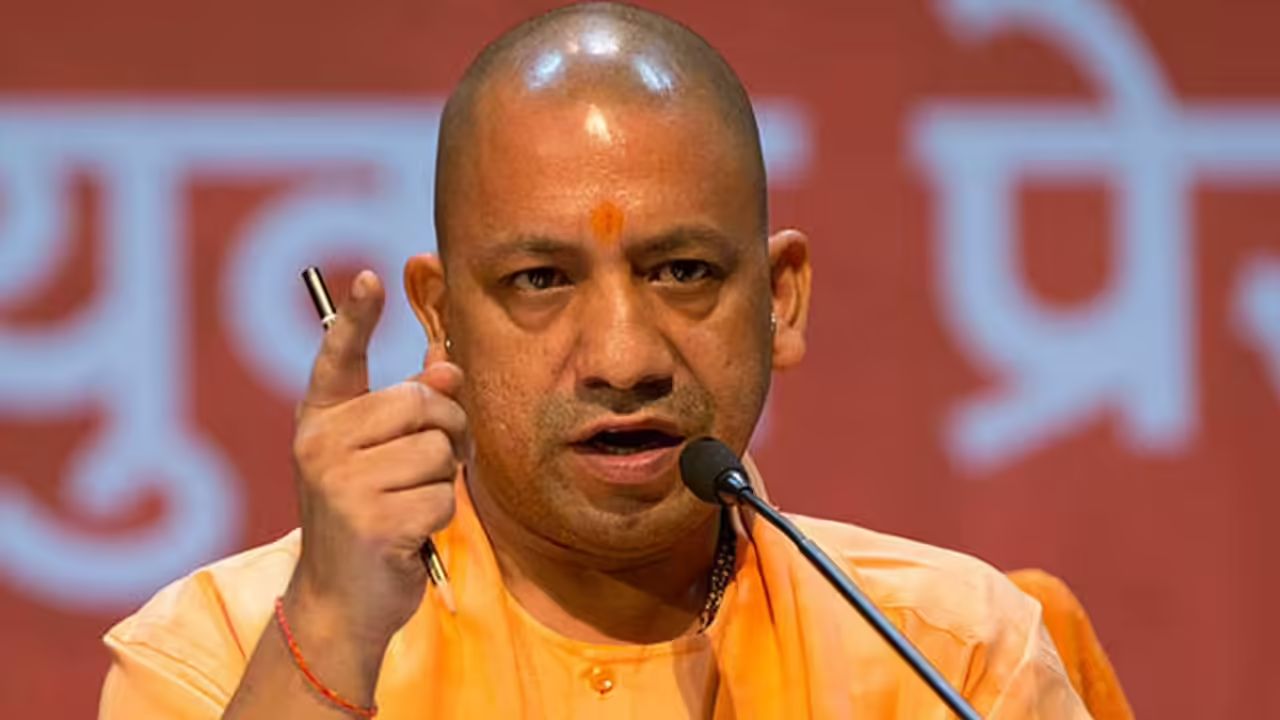
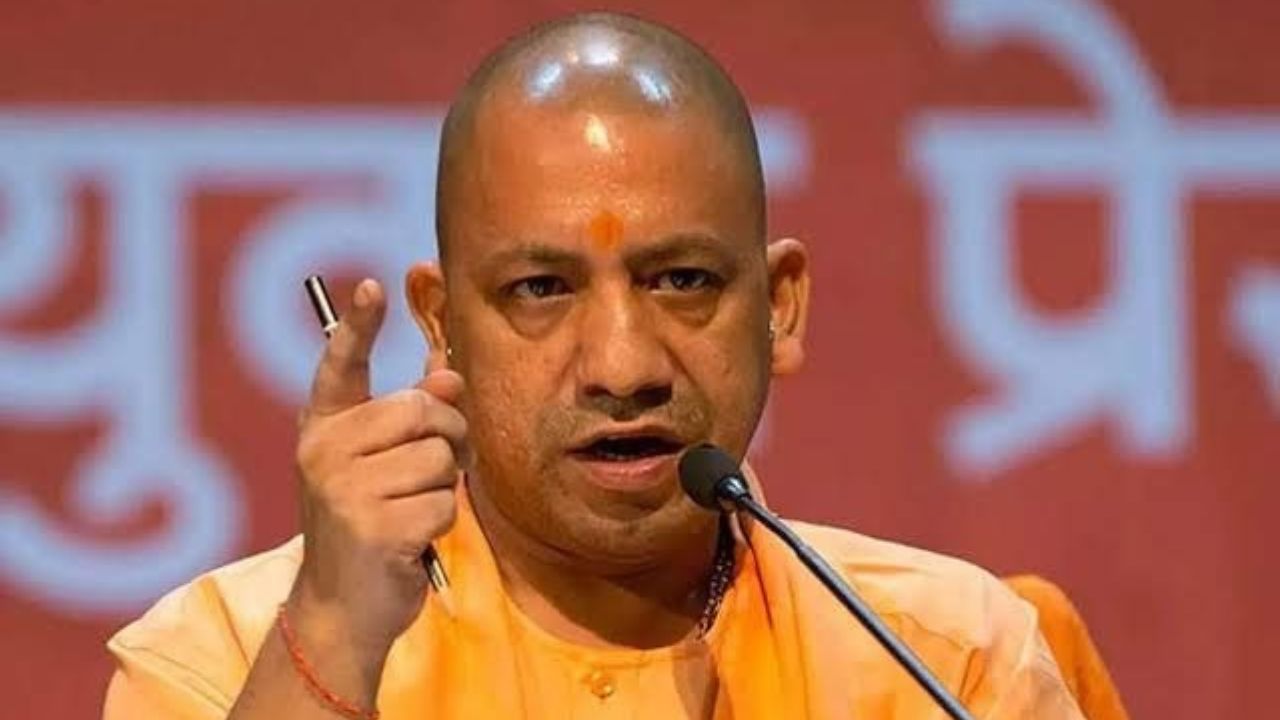
Former Education Minister Dharmendra Pradhan (Img: Pinterest)
New Delhi: Union Education Minister Dharmendra Pradhan submitted his resignation to Prime Minister Narendra Modi on Saturday after weeks of nationwide student protests that intensified following the NEET-UG paper leak controversy.
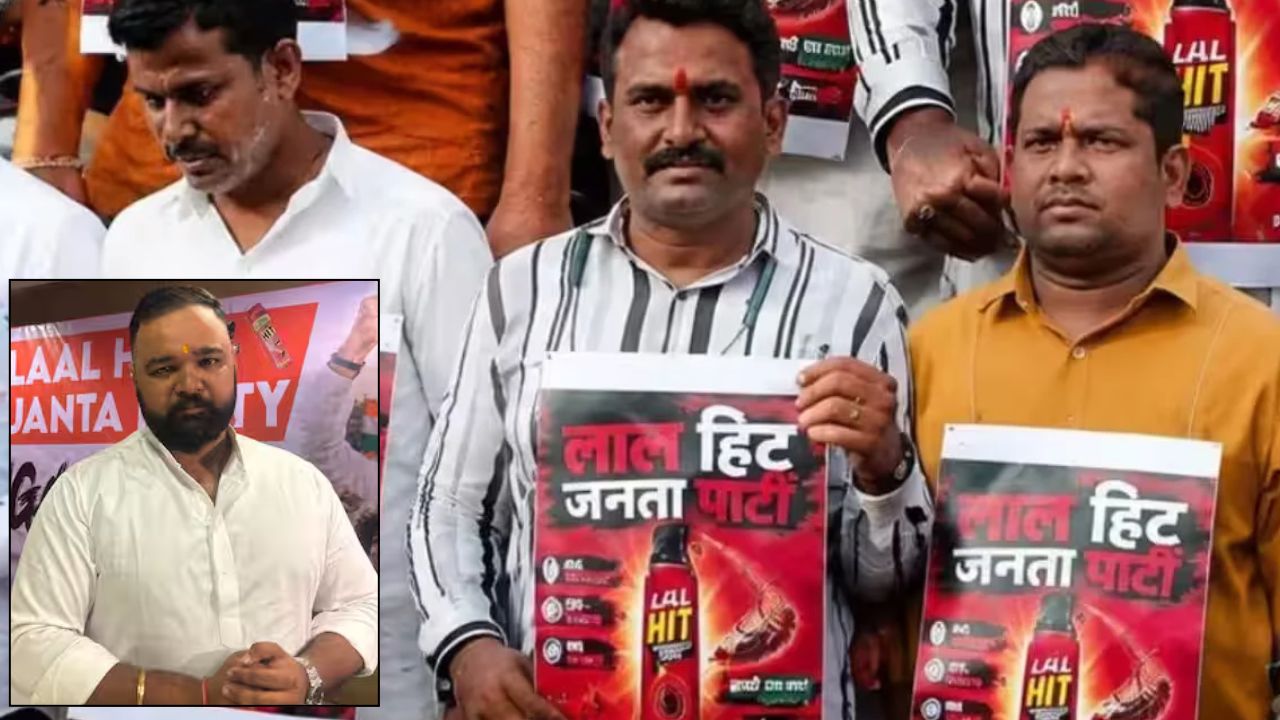
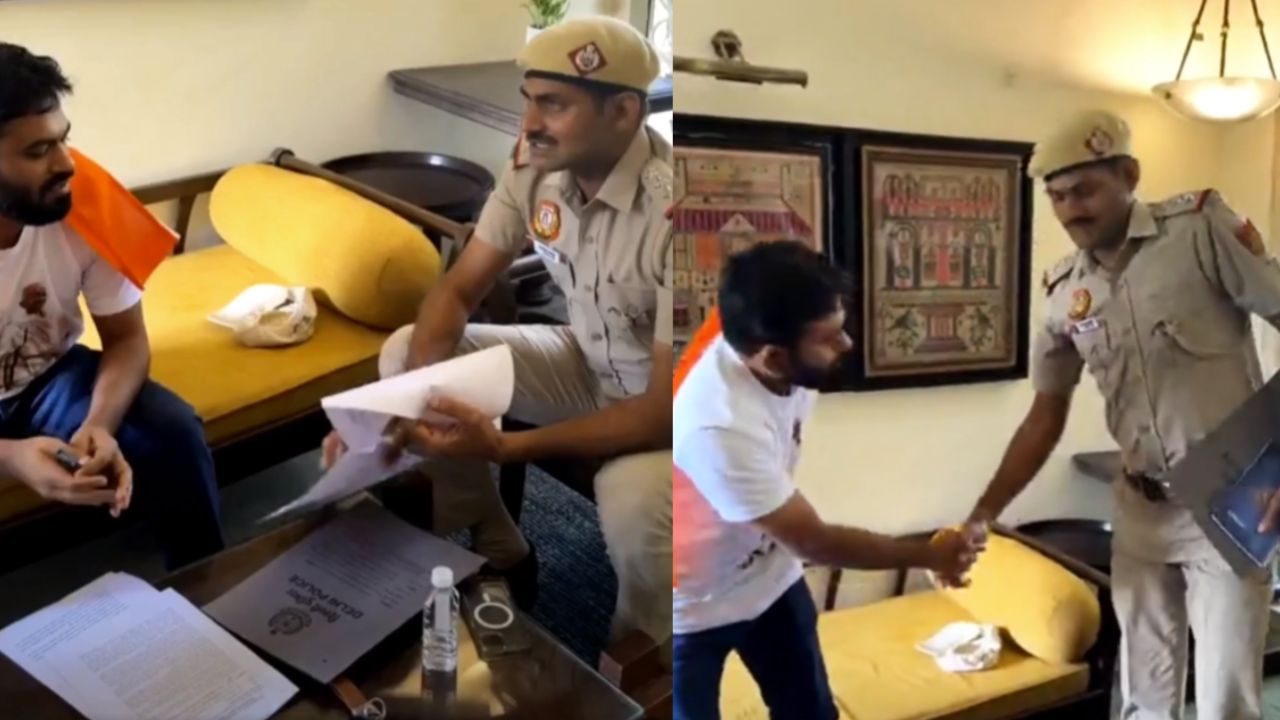
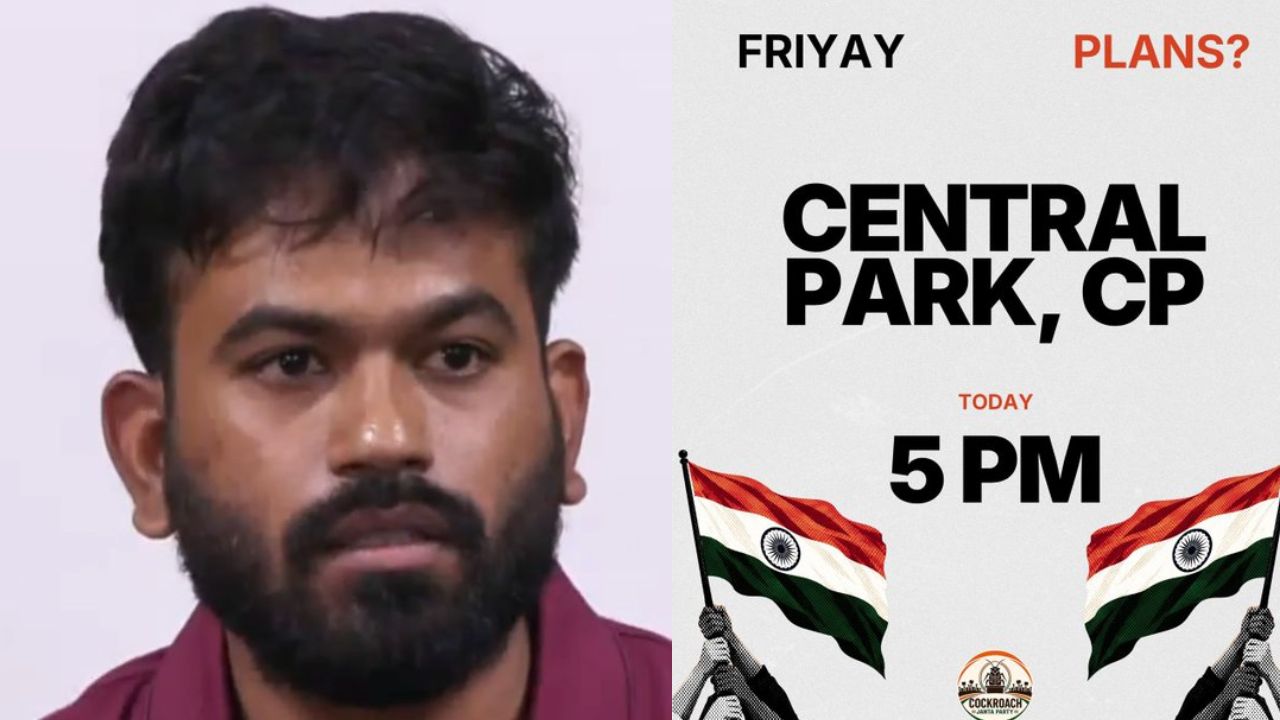
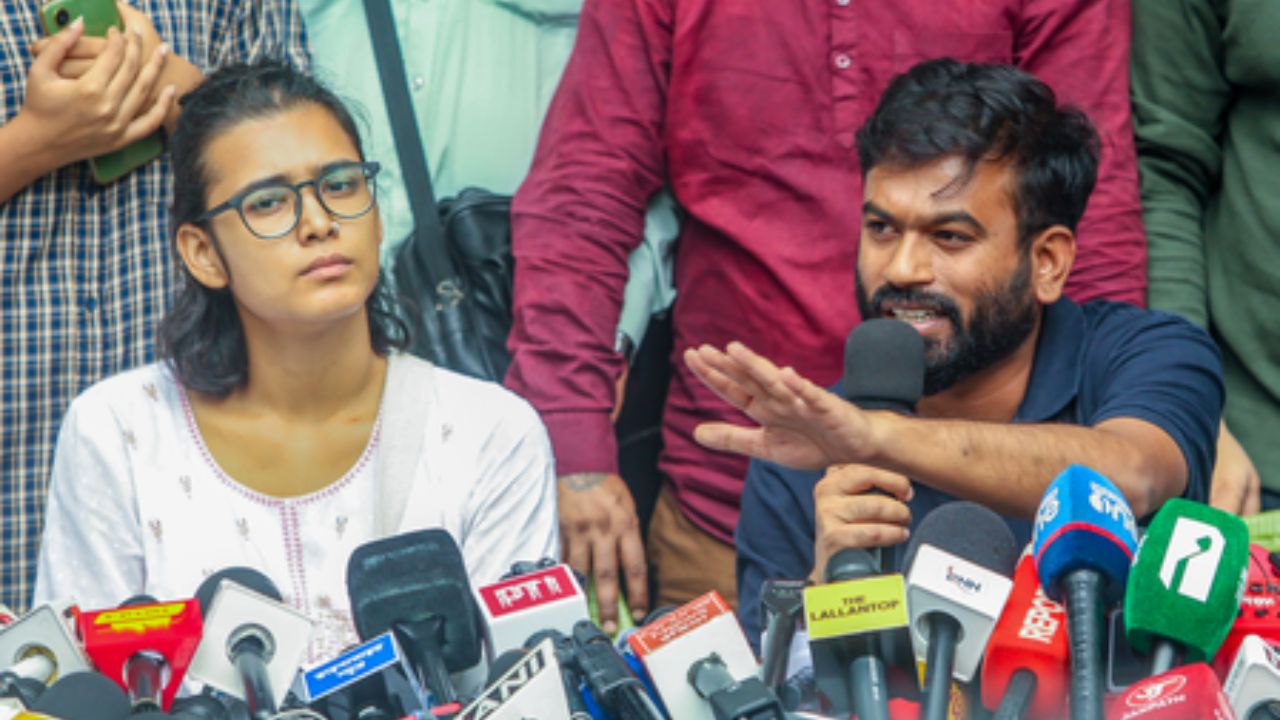
The protests, which began at Delhi's Jantar Mantar and later spread to several cities, were led by the Cockroach Janta Party (CJP) and gained momentum with activist Sonam Wangchuk's hunger strike. One of the movement's primary demands was Pradhan's resignation over the handling of examination-related issues.
In a post on X, Pradhan said his decision was guided by the need to safeguard students' future, maintain national unity, and prevent the ongoing protests from being exploited by anti-national elements. At the time of writing, the Prime Minister had not formally announced whether the resignation had been accepted.
— Dharmendra Pradhan (@dpradhanbjp) July 25, 2026
During his tenure of more than four years, Pradhan oversaw the implementation of the National Education Policy (NEP) 2020 while also facing repeated criticism over examination management, higher education reforms and Centre-state disputes. Here are some of the major controversies associated with his time in office.
When Pradhan returned to the Union Cabinet after the 2024 general election, opposition MPs interrupted his oath-taking ceremony by raising slogans related to the NEET controversy. The protest reflected growing political pressure over allegations of irregularities in the medical entrance examination.
The biggest challenge of Pradhan's tenure came from repeated allegations surrounding NEET-UG.
In 2024, claims of paper leaks and irregularities led to nationwide protests, judicial scrutiny and a CBI investigation. The controversy also resulted in administrative changes within the National Testing Agency (NTA).
A similar crisis emerged again in 2026 after reports of leaked question papers prompted the cancellation of the examination and a fresh test under enhanced security arrangements. The issue affected millions of aspirants and became the central focus of nationwide protests.
The cancellation of the UGC-NET examination shortly after it was conducted added to concerns over the security of national-level entrance tests. The incident triggered another investigation and intensified criticism of the examination system.
Throughout Pradhan's tenure, the NTA remained under scrutiny over examination management, technical failures, data security concerns and administrative challenges. Various expert committees recommended reforms, but criticism continued as fresh controversies emerged.
The introduction of digital evaluation for CBSE Class 12 examinations in 2026 led to complaints regarding technical glitches, scanning quality and marking inconsistencies. Following protests from students and teachers, authorities ordered reviews and initiated corrective measures.
The PM SHRI school initiative faced resistance from several opposition-ruled states, which questioned linking education funding with implementation of the National Education Policy. The issue became a significant point of disagreement between the Centre and some state governments.
The implementation of the three-language policy under NEP sparked political debate, particularly in Tamil Nadu. Critics accused the Centre of promoting Hindi, while the Union government maintained that the policy encouraged multilingual education and offered flexibility to states.
Changes made to NCERT textbooks under the rationalisation exercise attracted widespread debate. The removal or revision of chapters related to historical and political topics drew criticism from historians, education experts and opposition parties, while the government defended the exercise as an academic restructuring measure.
Draft regulations issued by the University Grants Commission proposed broader eligibility criteria for appointing vice-chancellors and changes in the selection process. Several states and academic organisations opposed the proposals, arguing that they could affect university autonomy and the federal balance in higher education.
New regulations aimed at addressing caste-based discrimination in higher educational institutions generated legal and political debate. Critics questioned aspects of the framework, and the Supreme Court later stayed implementation while examining the matter.
Dharmendra Pradhan's tenure combined major policy initiatives, including the implementation of the National Education Policy, with persistent challenges surrounding examination administration, education governance and Centre-state relations. While supporters viewed his period in office as one of structural reform, critics argued that repeated controversies over examinations and educational policy overshadowed many of those initiatives.