English
 English

US Treasury Secretary Scott Bessent Hints at Easing Tariffs on India
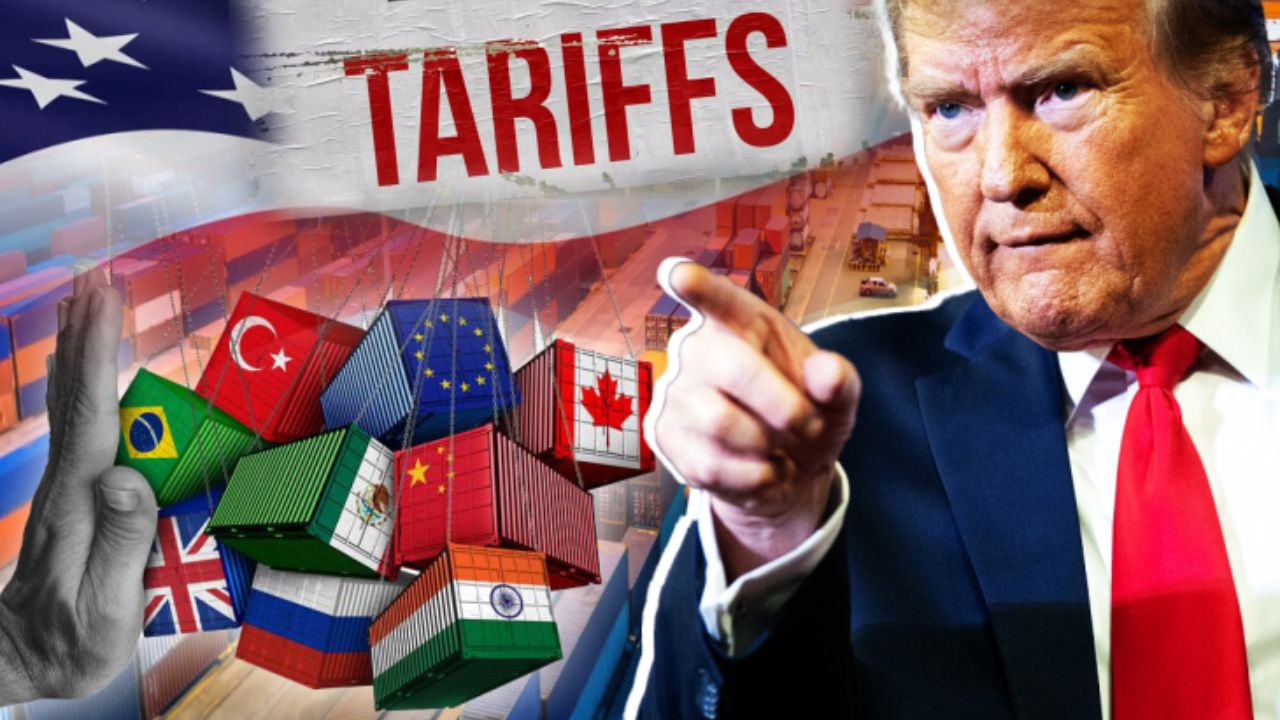
New Delhi: The United States has indicated that it may reconsider the 25 per cent tariff imposed on India over its purchases of Russian crude oil. US Treasury Secretary Scott Bessent said there could be a pathway to removing the tariff, noting that India has sharply reduced its imports of Russian oil in recent months. His remarks suggest a possible shift in Washington’s stance amid changing global energy dynamics.
In an interview with Politico, Bessent explained that the tariff was imposed during the Trump administration with the aim of discouraging India from buying Russian oil after the invasion of Ukraine. At that time, India had significantly increased its intake of discounted Russian crude, which became attractive due to Western sanctions limiting Russia’s access to traditional markets.
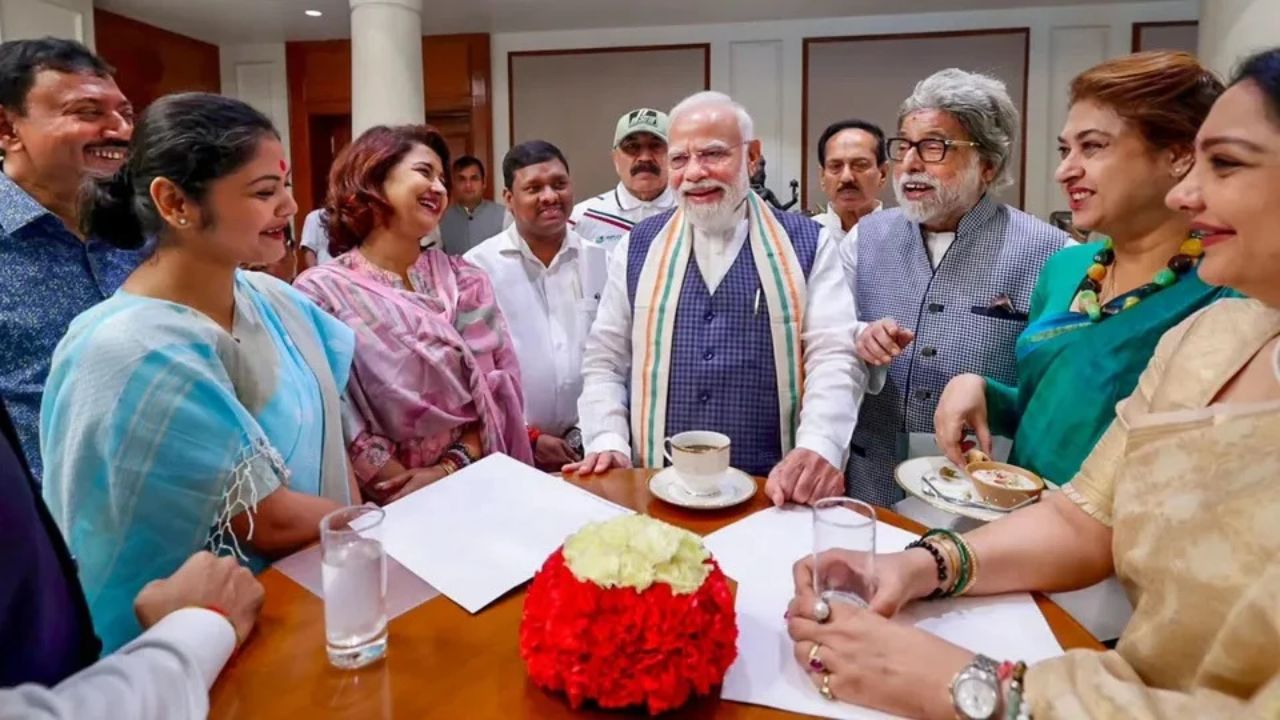
PM Modi: Talks on making India USD 5 tn economy didn't come all of a sudden
According to Bessent, the policy has delivered the intended results. He said that Indian refinery purchases of Russian oil have “collapsed” following the imposition of the 25 per cent tariff. Describing this as a success of the tariff strategy, he added that the US could now consider rolling back the punitive duty since the objective of reducing Russian oil purchases appears to have been met.
Before the Ukraine conflict, Russian crude made up only about two to three per cent of India’s refinery intake. However, after Western sanctions were imposed on Moscow, Russia began offering oil at steep discounts. This pushed its share of India’s crude imports into the high teens, significantly improving refinery margins for Indian processors.
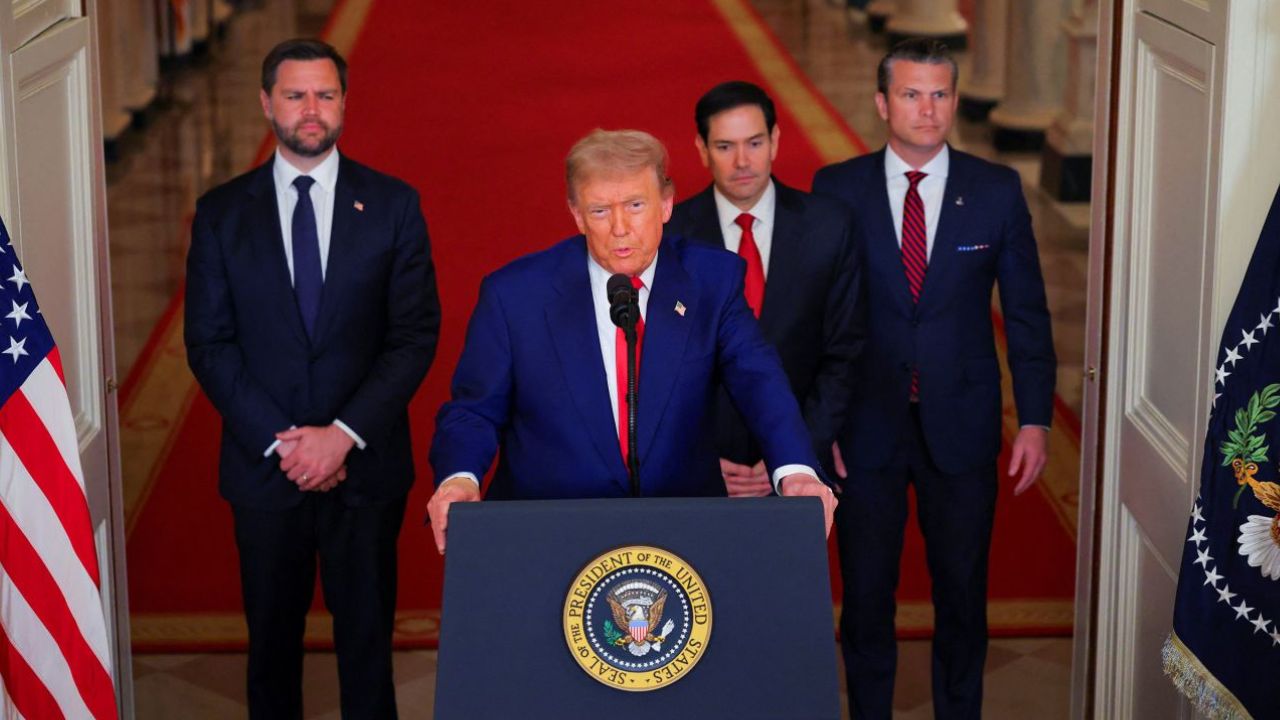
US President Donald Trump (Source: Internet)
Following the US tariff move, Indian refiners began scaling back their dependence on Russian crude. They diversified their supply sources, increasing imports from West Asia, Africa, and Latin America. This shift aligned with India’s broader strategy of maintaining energy security by sourcing oil from multiple regions rather than relying heavily on a single supplier.
Bessent also strongly criticised European countries, accusing them of indirectly supporting Russia’s war efforts. He pointed out that while European governments publicly opposed Russian energy imports, they continued purchasing refined petroleum products made from Russian crude that had been processed in Indian refineries. He described this contradiction as ironic and counterproductive.
India has repeatedly stated that its energy sourcing decisions are guided by market conditions and national interest. New Delhi has maintained that it will buy oil from wherever it is competitively priced and available, without political considerations overriding economic realities.
Why is India cautious about joining Trump’s ‘Board of Peace’ on Gaza?
Bessent’s remarks signal that easing tariffs could help reset trade relations between India and the US. If the duties are lifted, it may pave the way for smoother economic engagement between the two countries amid evolving geopolitical and energy landscapes.