 English
 English

The Strait of Hormuz is one of the world’s most important oil chokepoints (Img: X)
New Delhi: The Strait of Hormuz has emerged as one of the most critical flashpoints amid the ongoing Iran conflict. With global energy supplies at risk, the United States has stepped up efforts to keep oil shipments moving through the strategic waterway.
According to reports, American forces are coordinating tanker movements, providing surveillance support and air protection to help maintain the flow of Gulf crude.
The US-backed operation has reportedly enabled around 10 million barrels of oil per day to pass through the Strait of Hormuz, nearly half of the volume seen before the conflict.
The corridor allows tankers carrying crude oil from Gulf producers to safely navigate the waterway while facing security threats from drones, missiles and maritime attacks.
The operation involves coordinated shipping schedules, military monitoring and air defence support.
Reports suggest that US forces are helping both loaded tankers leaving the Gulf and empty vessels entering the region to collect oil from major producers. The movement is reportedly being coordinated through a US military task force, with dozens of tankers using the designated route.
Despite the increased US military presence, threats remain in the region. Iranian forces have reportedly used drones, cruise missiles and fast boats, creating risks for commercial shipping.
The US has claimed that its operations have reduced Iran’s ability to monitor and disrupt maritime movement, but the waterway remains highly sensitive.
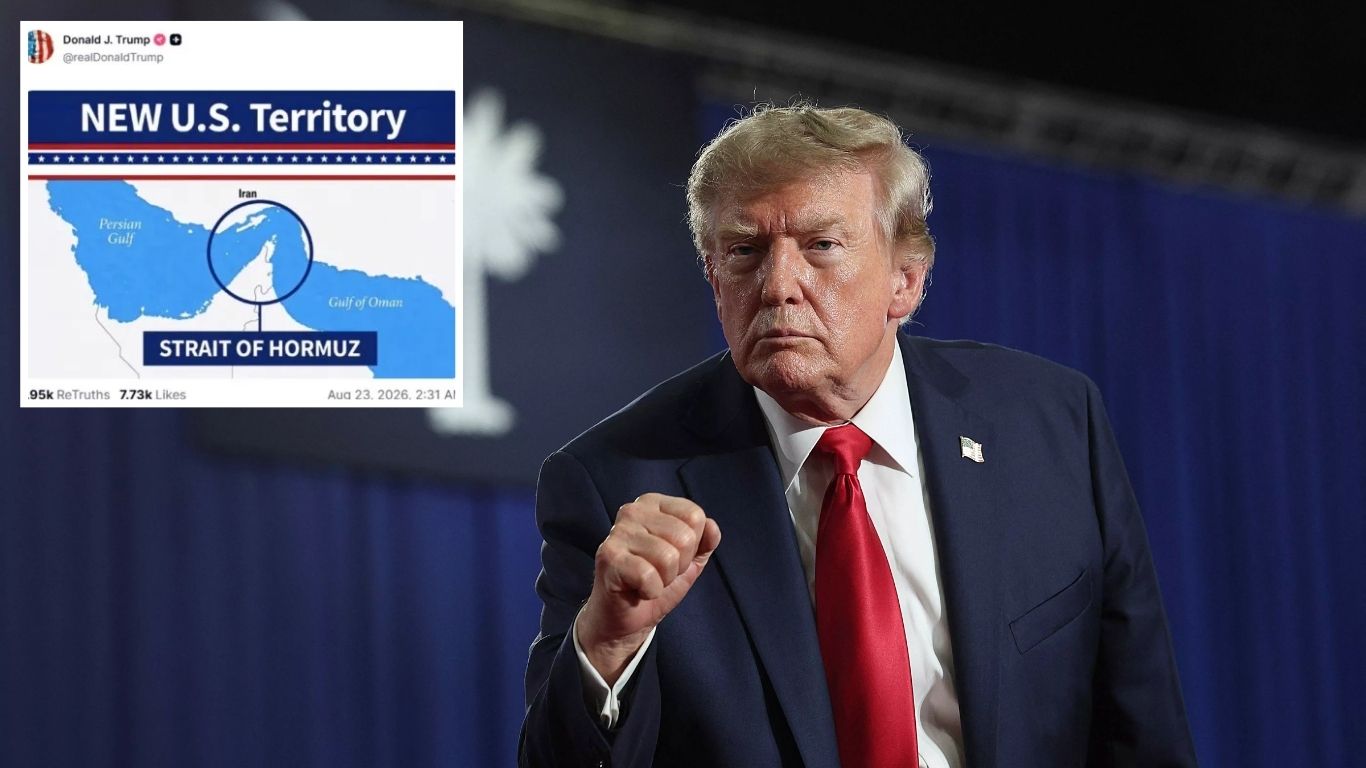
The US has not officially taken legal control of the Strait of Hormuz, which remains an international waterway.
However, its military presence and coordination of shipping movements have given Washington significant influence over traffic passing through the southern channel. Restoring millions of barrels of oil flow has helped reduce some pressure on global energy markets.
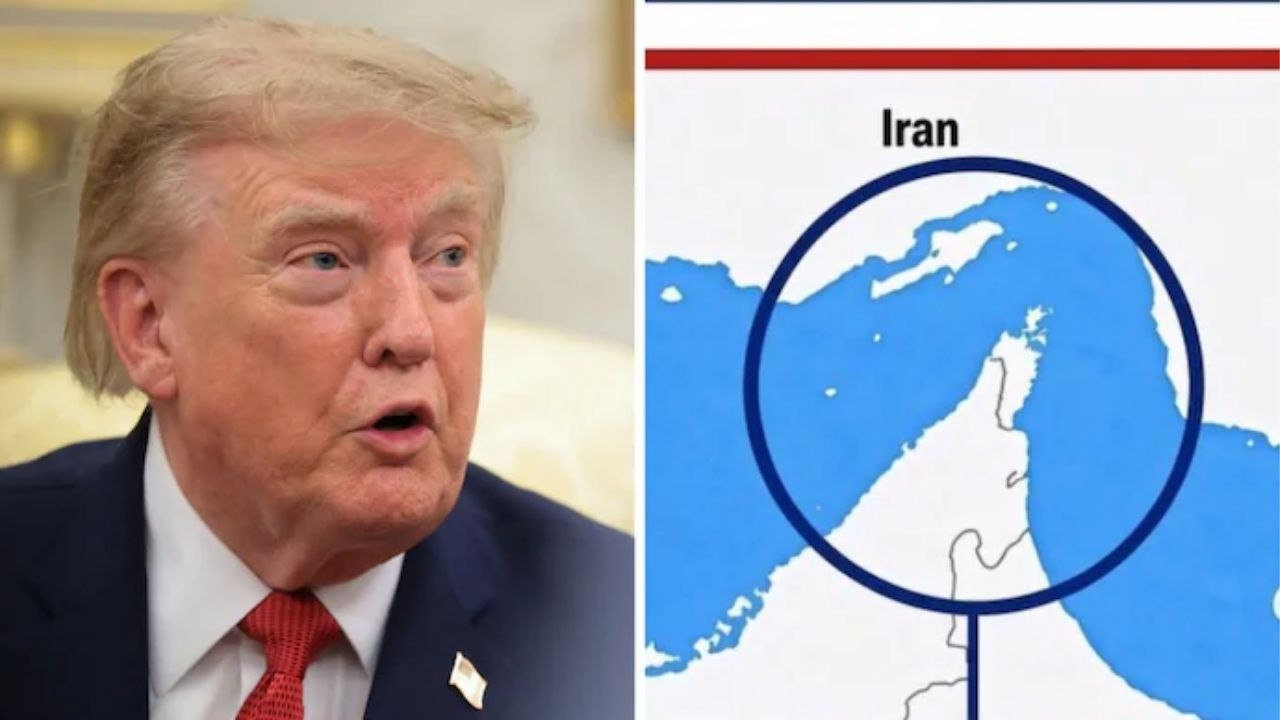
The Strait of Hormuz is one of the world’s most important oil chokepoints, connecting the Persian Gulf with the Gulf of Oman and the Arabian Sea.
Major energy exporters including Saudi Arabia, the UAE, Kuwait, Iraq and Qatar rely on this route to transport crude oil to international markets. Any disruption in Hormuz can immediately impact global oil supplies, fuel prices and inflation.