 English
 English

A valley buried in mud: Rescue teams search for survivors after Nepal floods
Kathmandu: A devastating flood disaster has shaken Nepal’s Himalayan region after sudden flash floods and landslides killed at least 270 people and left hundreds missing. The tragedy has become one of the country’s most severe natural disasters in recent years, with rescue teams racing against time to locate survivors trapped in remote mountain areas.
The disaster struck along the Nepal-Tibet border after powerful water currents carrying mud, rocks and debris swept through villages, highways and river valleys. The destruction has raised global concerns over increasing climate risks, unstable mountain regions and the vulnerability of communities living near Himalayan rivers.
With communication networks damaged and several routes blocked, families of missing people are anxiously waiting for updates as authorities continue large-scale search and rescue operations.
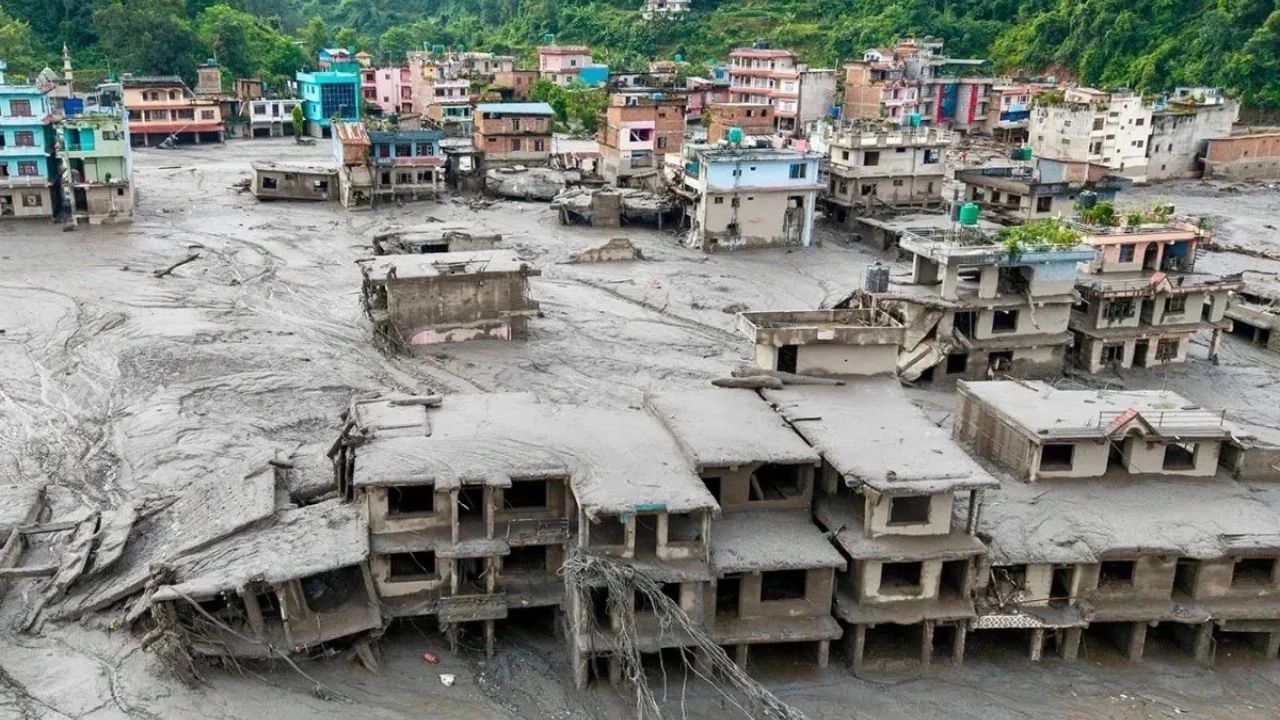
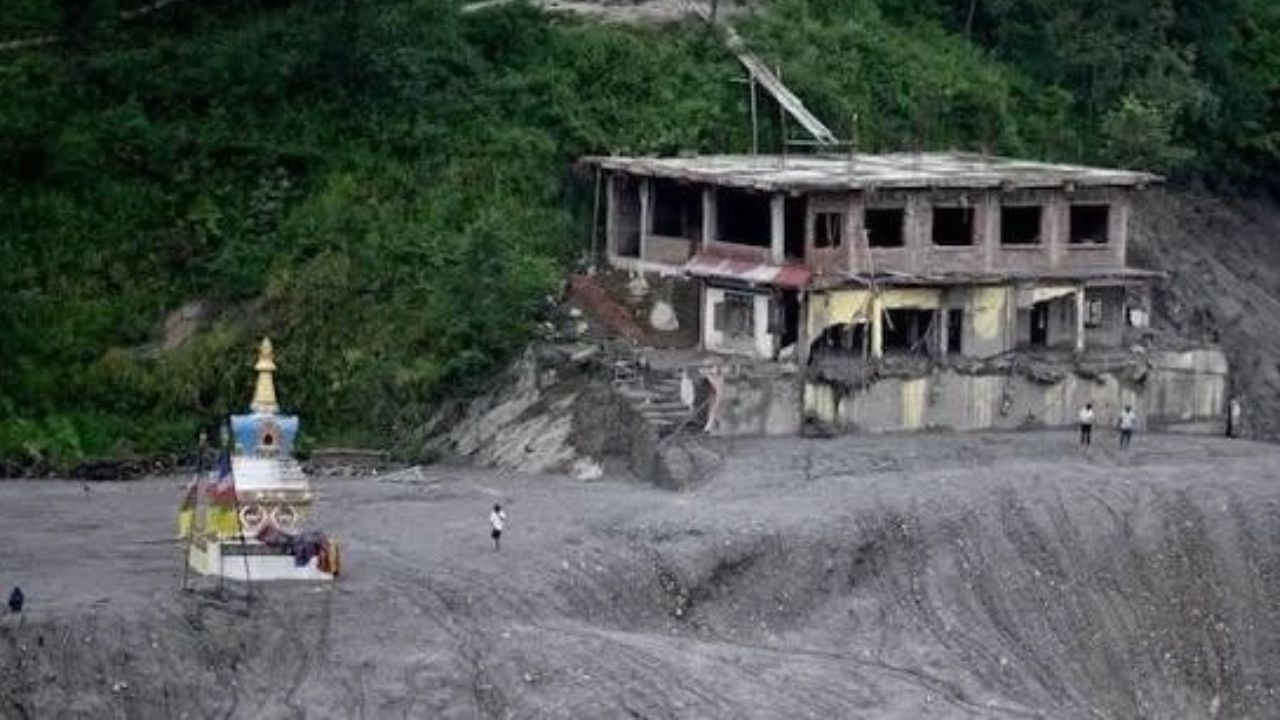
The flash floods struck northern Nepal’s Rasuwa and Nuwakot districts, affecting areas around the Trishuli and Bhote Koshi rivers. Within minutes, fast-moving floodwaters destroyed bridges, damaged roads and submerged settlements. Several buildings were buried under layers of mud and debris, leaving rescue workers struggling to reach affected areas.
Visuals from the disaster zone showed roads covered with sludge, damaged vehicles and residents searching through destroyed properties for belongings and missing family members. The mountainous terrain has made rescue operations extremely challenging, with teams forced to work through unstable slopes, continuous rainfall and difficult weather conditions.
Authorities have confirmed that the death toll has reached 270, while hundreds of people remain missing. Nepal Police, Army personnel and disaster response teams have been deployed across flood-hit regions to conduct search operations and provide emergency assistance.
Officials fear that the casualty figure may rise further as rescue teams reach remote locations where communication remains disrupted. Families across Nepal and other countries are waiting for information about loved ones who lost contact after the disaster.
The disaster has also affected several foreign tourists travelling through Nepal’s Himalayan routes. Visitors from countries including the United States, Australia, Britain, Malaysia and Canada were among those reported missing after floods disrupted major travel routes.
The affected region is a popular destination for trekking, adventure tourism and spiritual journeys due to its proximity to Himalayan pilgrimage routes and mountain trails. Tourism authorities are working with local agencies to verify the safety status of travellers and identify those still unaccounted for.
Initial investigations indicate that the disaster was linked to a glacier-related collapse and massive landslide activity in the Himalayan region. Early reports suggested that earthquake activity may have caused the disaster, but further analysis indicated that a glacier collapse and debris flow created the destructive flood wave.
The sudden release of water, rocks and mud created a powerful surge that travelled downstream, leaving communities with little time to react. Experts have warned that changing weather patterns, rising temperatures and unstable glaciers are increasing the risk of such extreme events in Himalayan areas.
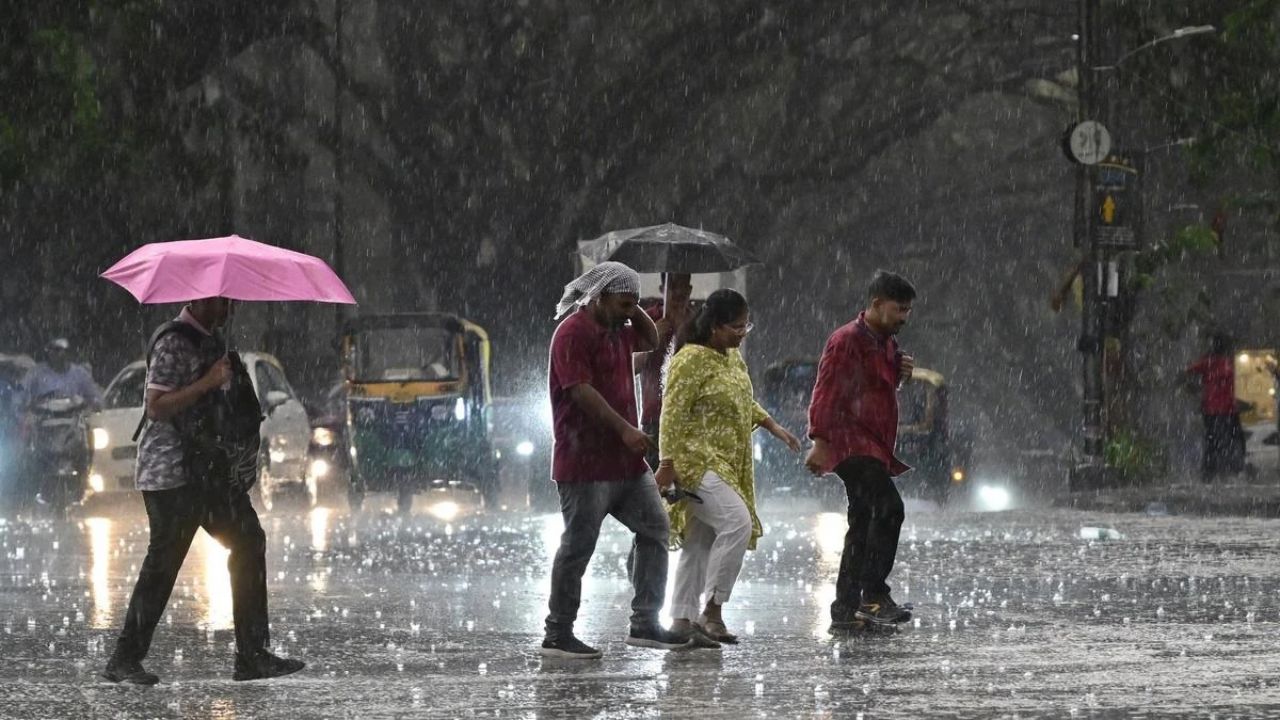
The rescue mission has been slowed by damaged infrastructure, blocked roads and unpredictable weather. Helicopter operations have faced difficulties due to poor visibility, while ground teams are navigating through landslide-hit routes covered with mud and debris.
Emergency workers are searching collapsed structures, riverbanks and isolated settlements in the hope of finding survivors. Authorities have increased deployment of rescue personnel as the operation enters a crucial stage.
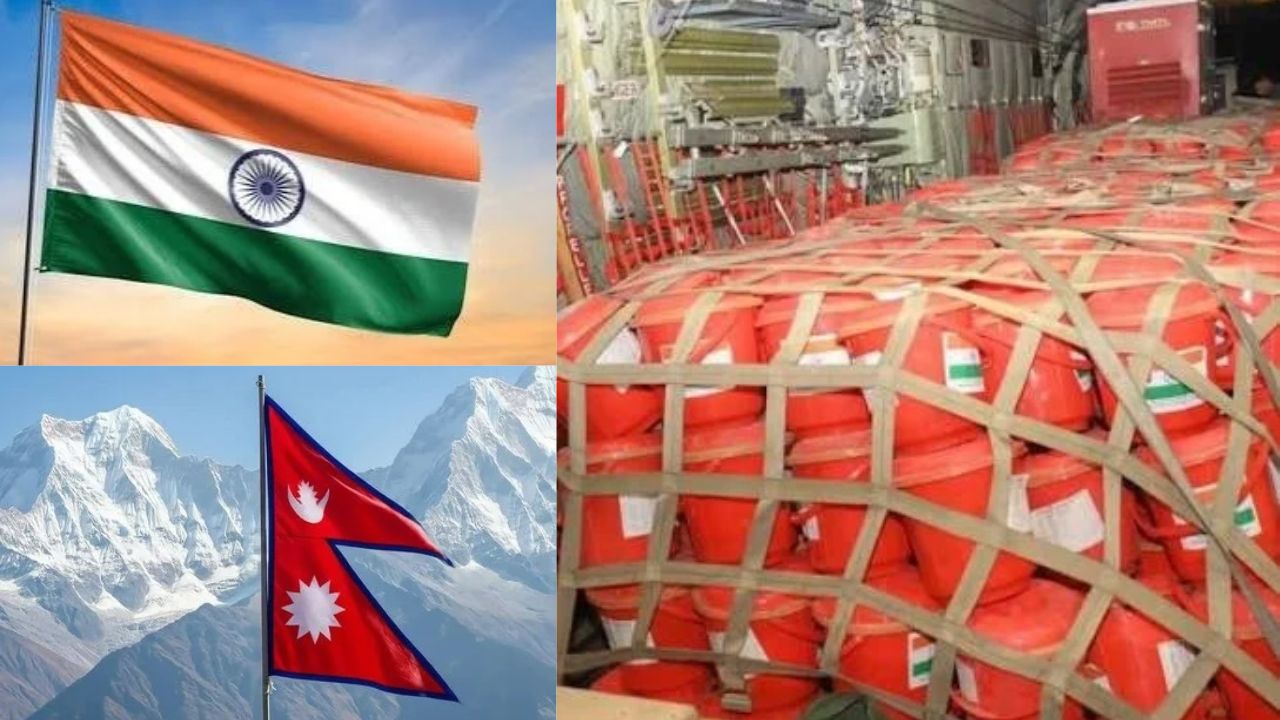
Several countries and international agencies have expressed support following the devastating floods. Emergency assistance, medical supplies and humanitarian aid efforts are being coordinated to help affected communities.
The disaster has once again highlighted Nepal’s vulnerability due to its mountainous geography, fragile infrastructure and exposure to extreme weather events.
The Nepal flood tragedy has renewed concerns about the rising frequency of extreme weather disasters across the Himalayan region. Scientists have repeatedly warned that glacier instability, unpredictable rainfall patterns and environmental changes could increase the possibility of flash floods and landslides.
The latest disaster has brought renewed focus on early warning systems, disaster preparedness and safer construction practices in mountain regions.
Search and rescue operations will continue as authorities attempt to locate missing people and assess the full scale of destruction. Officials are expected to begin detailed damage assessments once floodwaters reduce and transportation networks improve.
For thousands of affected families, the immediate priority remains finding missing relatives, receiving emergency support and rebuilding lives after one of Nepal’s worst flood disasters.