 English
 English

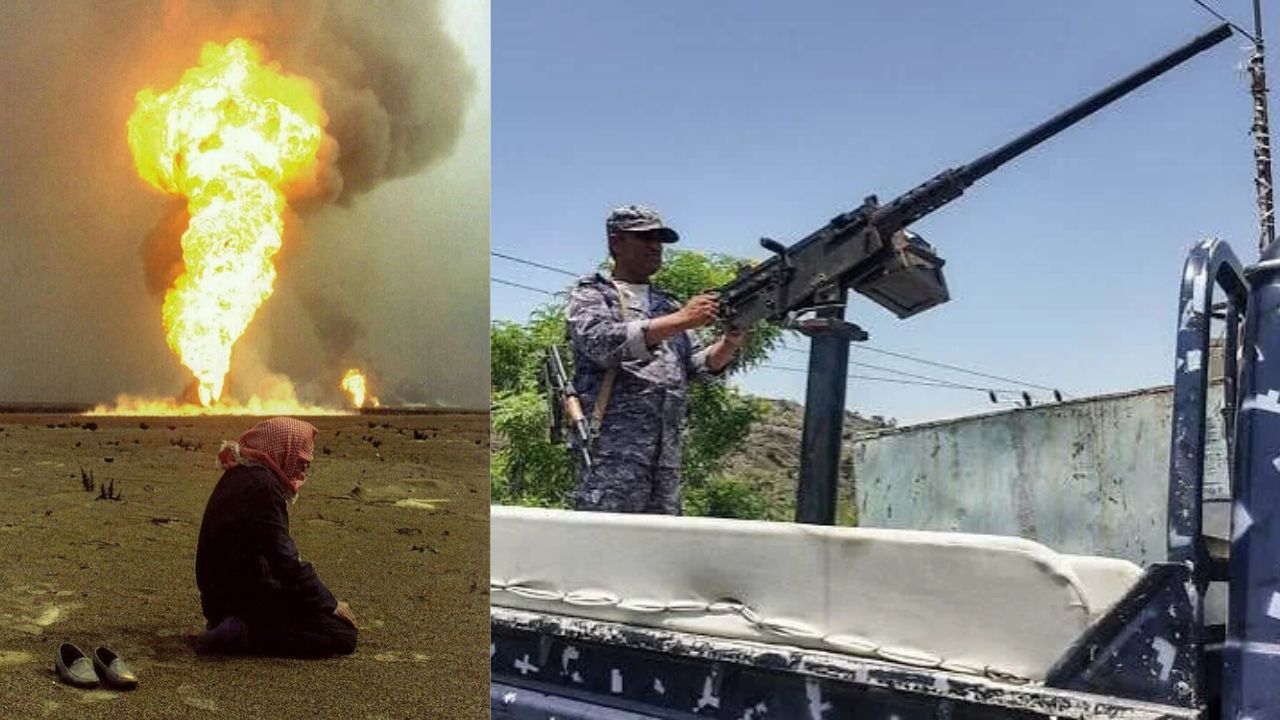
Fresh Houthi attacks put Saudi cities and critical Middle East shipping routes under renewed pressure. (Image: Google)
Riyadh: Saudi Arabia has warned Yemen’s Houthis of a firm military response after a wave of missile and drone attacks wounded 13 civilians in the Kingdom’s southern regions. The escalation comes as fighting intensifies in Yemen and the wider Middle East conflict continues to threaten key energy and shipping routes.
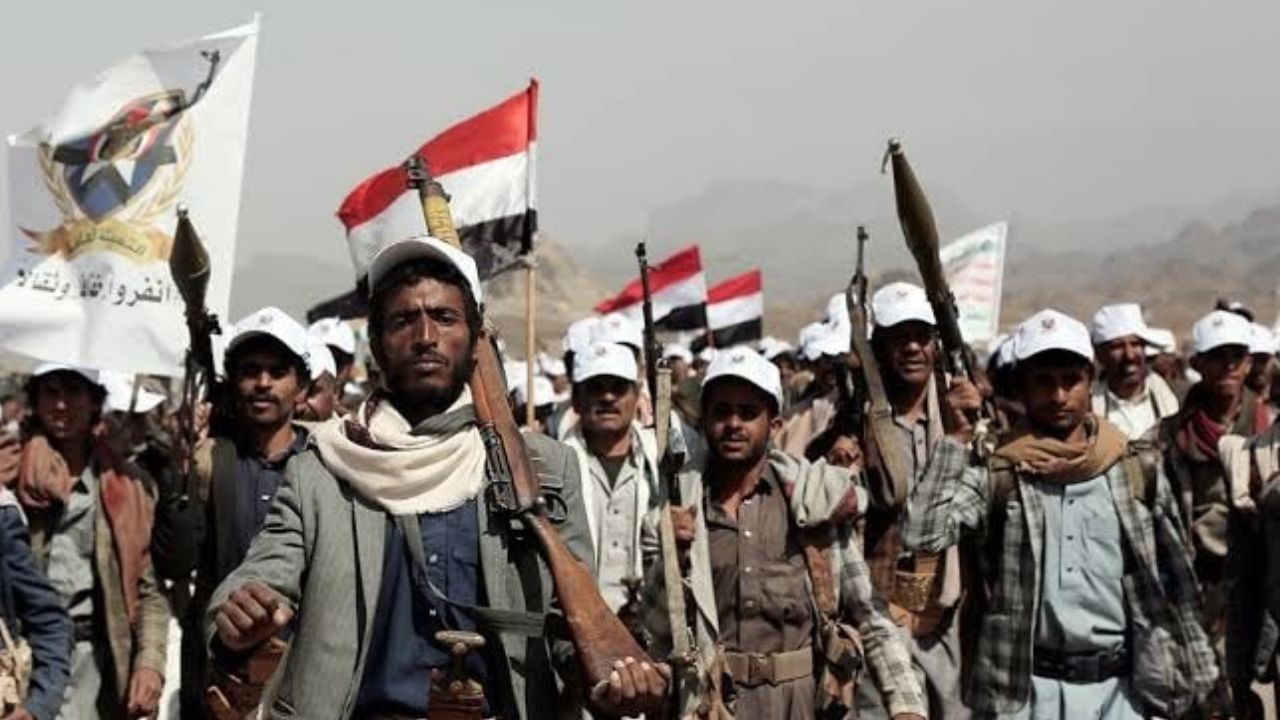
The Saudi-led coalition said it would take all necessary operational measures to protect the Kingdom’s sovereignty and deter what it described as a hostile and extremist approach. The warning followed attacks targeting Khamis Mushait, Abha and Taif. Saudi authorities confirmed that 13 people were wounded in the strikes. Houthi forces claimed responsibility for what they described as a large-scale assault involving dozens of ballistic missiles and drones aimed at the King Khalid airbase in Khamis Mushait. A resident of Khamis Mushait reported hearing intense explosions and seeing fires continue for an extended period.
The latest attacks mark another sharp escalation between Saudi Arabia and the Iran-aligned Houthi movement. The Houthis have threatened to continue and intensify their attacks as long as Saudi Arabia maintains what the group calls aggression against Yemen. Saudi air-defence forces were placed on heightened alert, with civil defence authorities issuing air-raid warnings across six regions early Tuesday before lifting them. The Houthis also claimed that Saudi forces responded with more than 50 strikes in Yemen.
The renewed Yemen fighting is unfolding alongside growing pressure on some of the Middle East’s most important maritime routes. Houthi forces have expanded their presence along Yemen’s Red Sea coastline and around the Bab al-Mandab Strait, a strategically important passage connecting the Red Sea with the Gulf of Aden. The developments have raised fresh concerns over shipping, energy supplies and regional trade as the wider US-Iran conflict puts additional pressure on the Strait of Hormuz.
The Houthis have also targeted Saudi energy infrastructure, adding another layer of risk for global oil markets. Saudi Arabia is the world’s leading crude exporter, meaning sustained attacks on its territory or energy facilities could have consequences well beyond the region. Oil prices have already moved above the $100-a-barrel threshold amid fears of disruption to Middle Eastern energy supplies.
Iran has long supported the Houthis with weapons and technology, but Tehran has rejected claims that it directs the group’s military decisions. Iranian Foreign Ministry spokesman, Esmaeil Baqaei said the Houthis act independently and make decisions based on their own interests. The comments came as the broader regional confrontation showed few signs of easing.
US President Donald Trump has indicated that Washington remains open to talks with Iran, although Tehran has ruled out negotiations until its conditions are met. The uncertainty surrounding potential diplomacy is adding another dimension to the rapidly changing regional security situation. A proposed meeting involving Gulf states and Iran over the future of the Strait of Hormuz was also postponed, with Tehran accusing Riyadh of using developments in Yemen as a reason to delay discussions.
The latest escalation is also worsening the humanitarian crisis inside Yemen. Yemeni government forces have reported making gains against Houthi fighters in Taiz, while airstrikes and ground fighting have continued in several areas. The UN migration agency said the renewed conflict has forced 93,864 people to flee their homes, highlighting the growing civilian cost of the latest escalation. Yemen has remained divided since the Houthis seized the capital Sanaa in 2014. Saudi Arabia subsequently led a coalition supporting the internationally recognised government, turning the conflict into a prolonged regional war.
The latest fighting threatens to reopen one of the region’s most destructive conflicts at a time when tensions across the Middle East are already at a critical level.