 English
 English
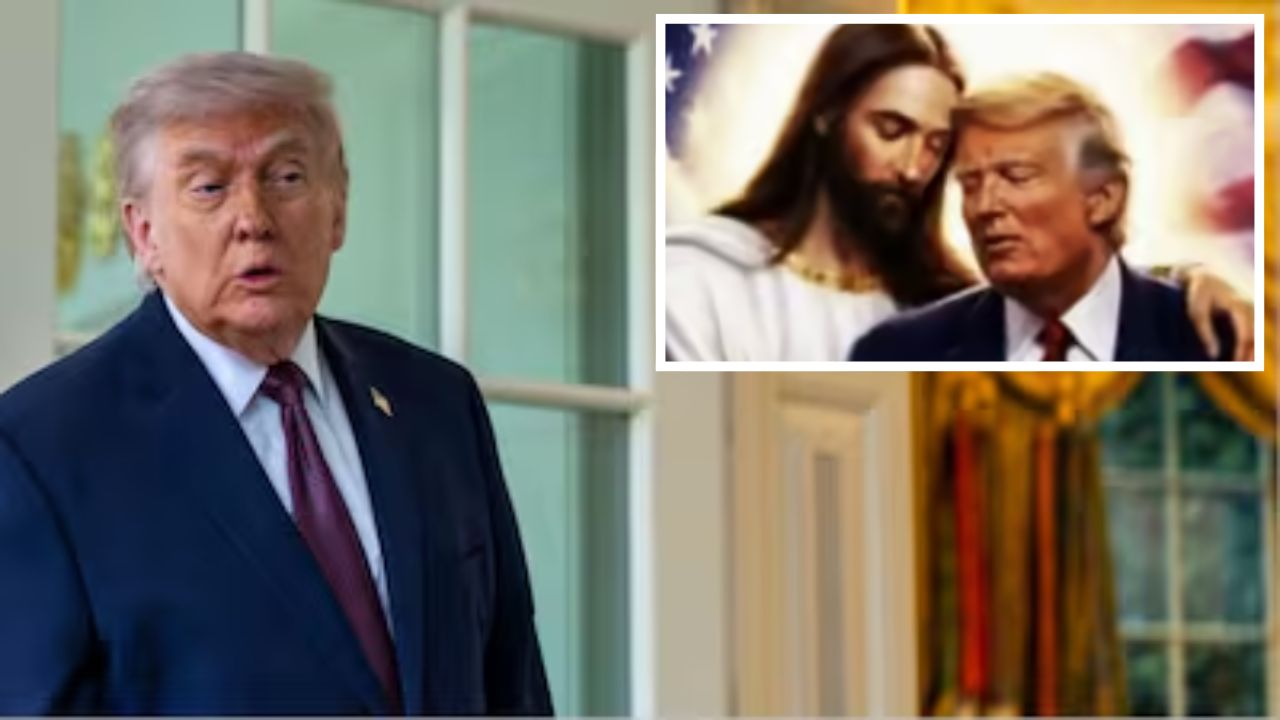
Trump shares AI image of Jesus hugging him (Img: Internet)
Washington: US President Donald Trump has once again stirred controversy after sharing an AI-generated image of Jesus Christ embracing him on his social media platform, Truth Social.
The post, originally created by a supporter and circulated on X, was reshared by Trump on Wednesday with a provocative caption targeting his critics.
Alongside the image, Trump wrote that “Radical Left Lunatics might not like this,” but described the picture as “quite nice.” The remark quickly drew attention online, with reactions pouring in across political and religious circles.
Trump Backing Down from War? US–Iran Ceasefire Likely to Extend Amid Softening Trump Tone
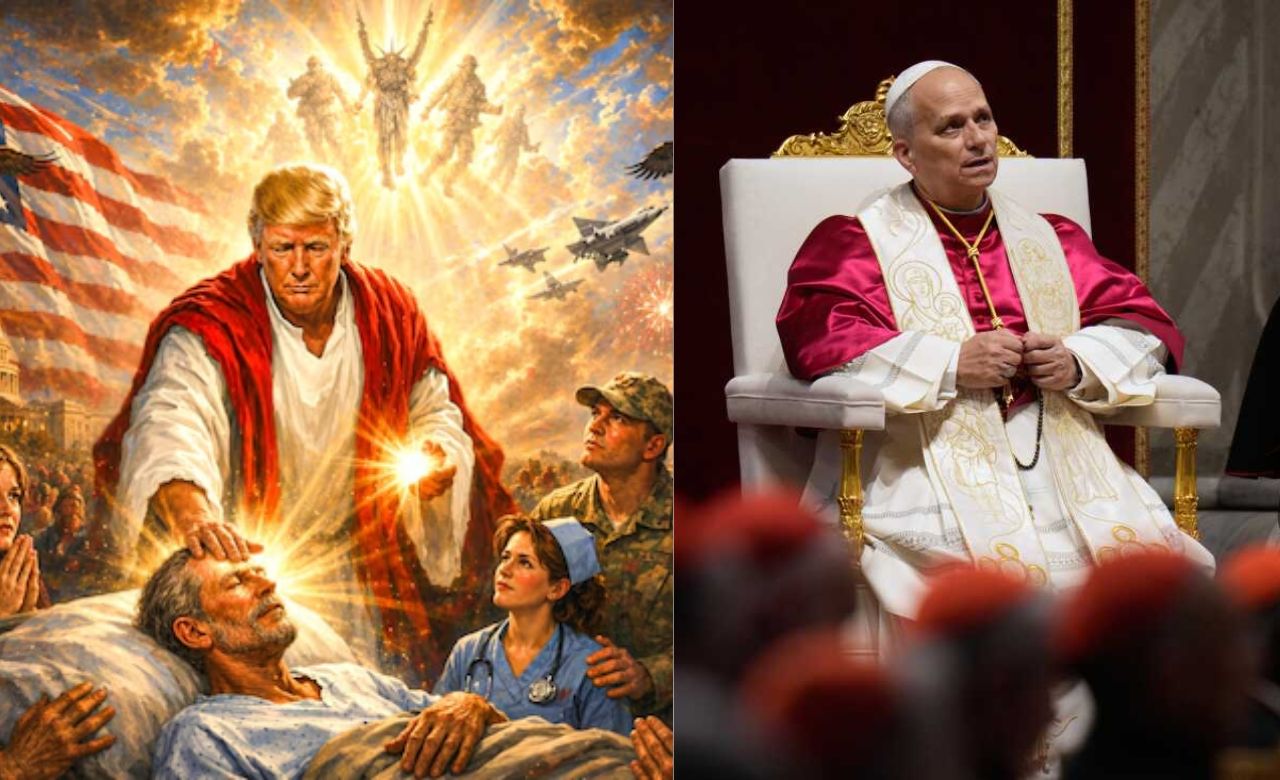
The latest post comes just days after Trump faced intense criticism for sharing another AI-generated image portraying himself as Jesus. That earlier depiction showed him in robes appearing to heal a man, surrounded by patriotic symbols such as the US flag and the Statue of Liberty.
The image triggered backlash from both conservative Christian voices and liberal commentators. Some religious figures labelled the portrayal as blasphemous, while critics accused Trump of self-aggrandisement.
By Monday, the earlier image had been removed from Truth Social, though it had already circulated widely across platforms. The controversy underscored the growing sensitivity around the use of AI-generated religious imagery in political messaging.
Responding to the criticism, Trump defended his earlier post, stating that it was intended to depict him as a doctor rather than a religious figure. He said the image symbolised healing and referenced humanitarian themes, adding that he “makes people better.”
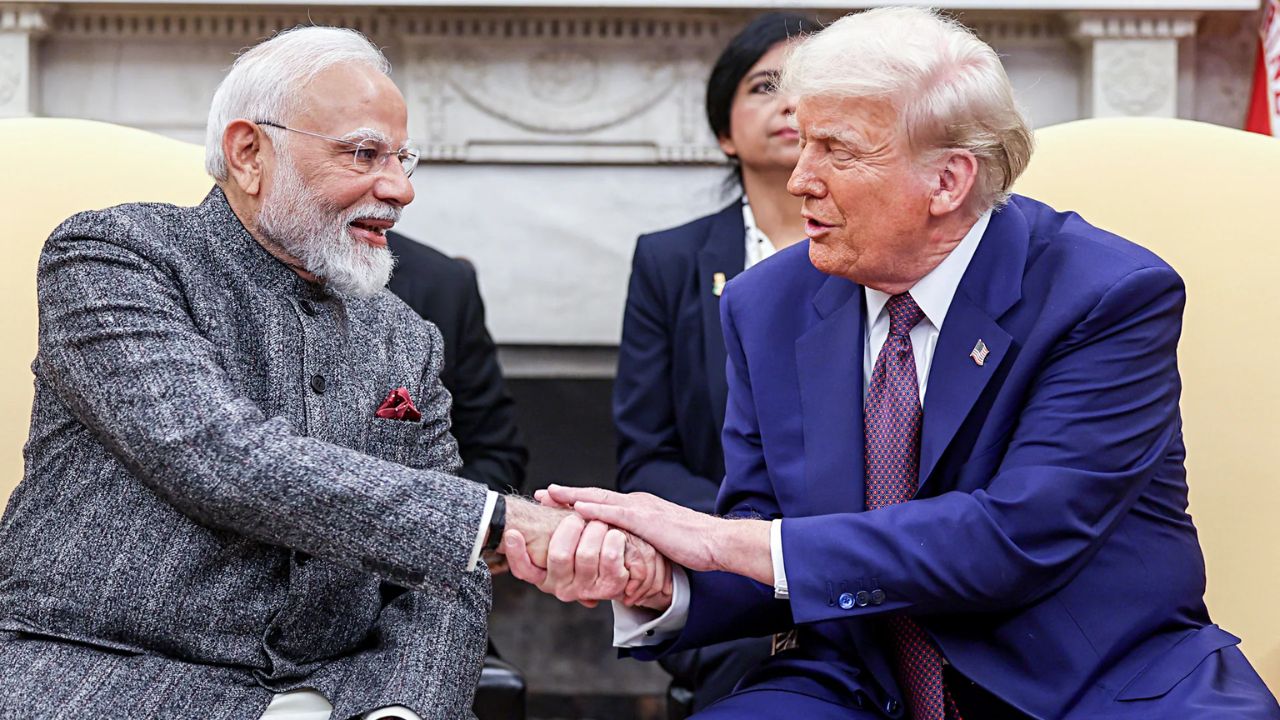
After Modi-Trump Talks, India to Resume Key Trade Negotiations in Washington
He also dismissed the backlash as “fake news,” maintaining that the criticism was politically motivated.
The incident has reignited debate over the intersection of artificial intelligence, religious symbolism, and political communication. As AI-generated content becomes more widespread, experts warn of its potential to provoke strong reactions and blur lines between satire, belief, and messaging.