 English
 English

New Economic War Front Opens as Tehran Warns of ‘Further Defeat’ (Img: X)
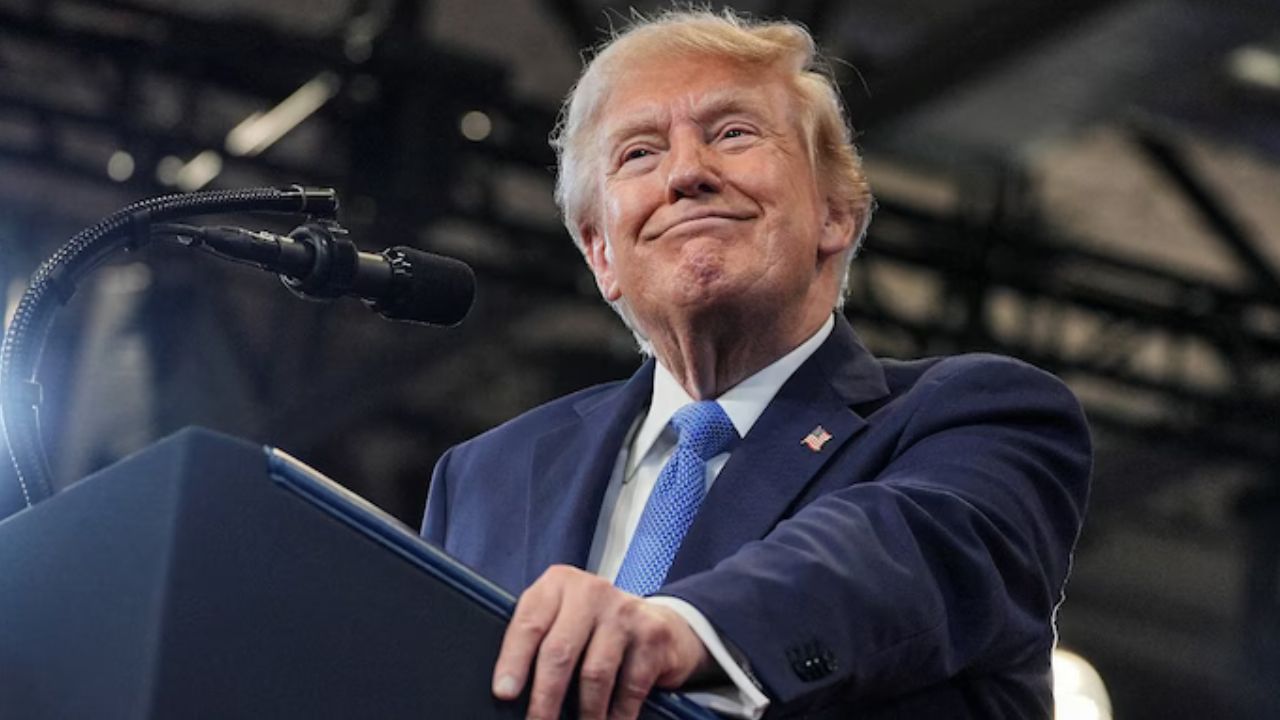
New Delhi: The conflict between the United States and Iran has entered a new phase, with the battlefield shifting from military strikes to economic warfare. US President Donald Trump has announced what he described as the “most crushing economic operation ever taken against any country,” targeting nations, banks and businesses accused of supporting Tehran.
Iran, however, has rejected Trump’s warning, calling it a failed strategy and accusing Washington of using economic pressure as a tool to hide its own challenges.
Amid stalled negotiations between Washington and Tehran, Trump declared a major economic campaign against Iran, warning countries and companies dealing with the Iranian government of facing “tremendous consequences.”
The US President said the move was aimed at isolating Iran economically and weakening its ability to continue policies that Washington opposes.
Trump described the action as “Economic Warfare and Isolation on an unprecedented scale”, urging US allies to join the campaign against Tehran.
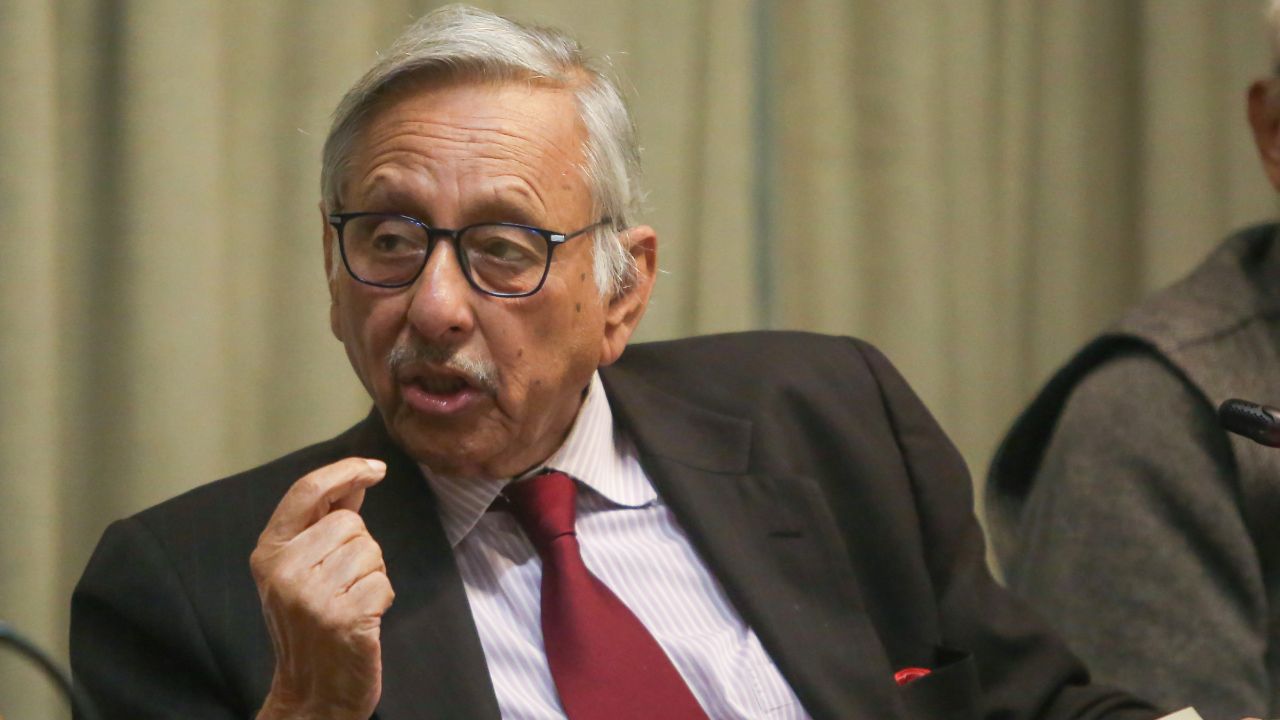
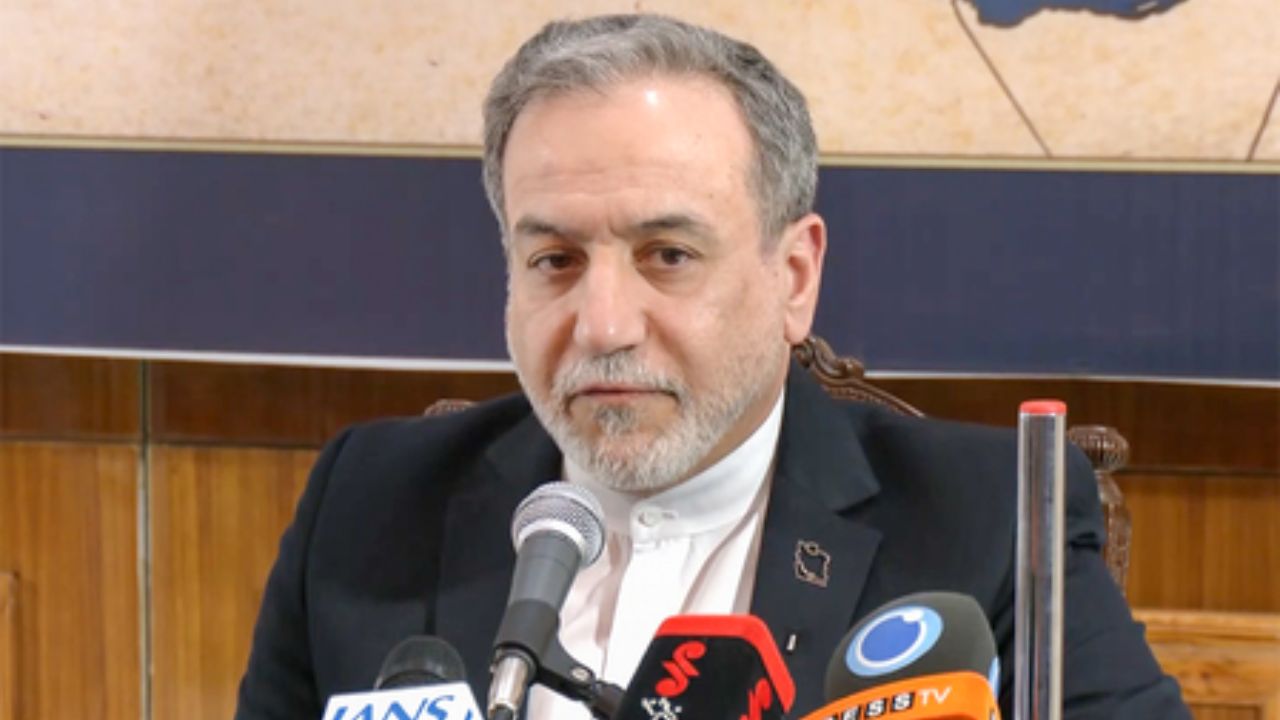
Iran has strongly criticised Trump’s announcement. Iranian Foreign Minister Seyed Abbas Araghchi called the US move a “diversion from America’s own crisis” and accused Washington of continuing a failed approach.
Reacting to Trump’s warning, Araghchi said that increasing pressure on Iran would only lead to “further defeat” for the United States and create more hostility among Iranians.
Tehran also alleged that US economic measures threaten global economic stability and violate the sovereignty of other nations.
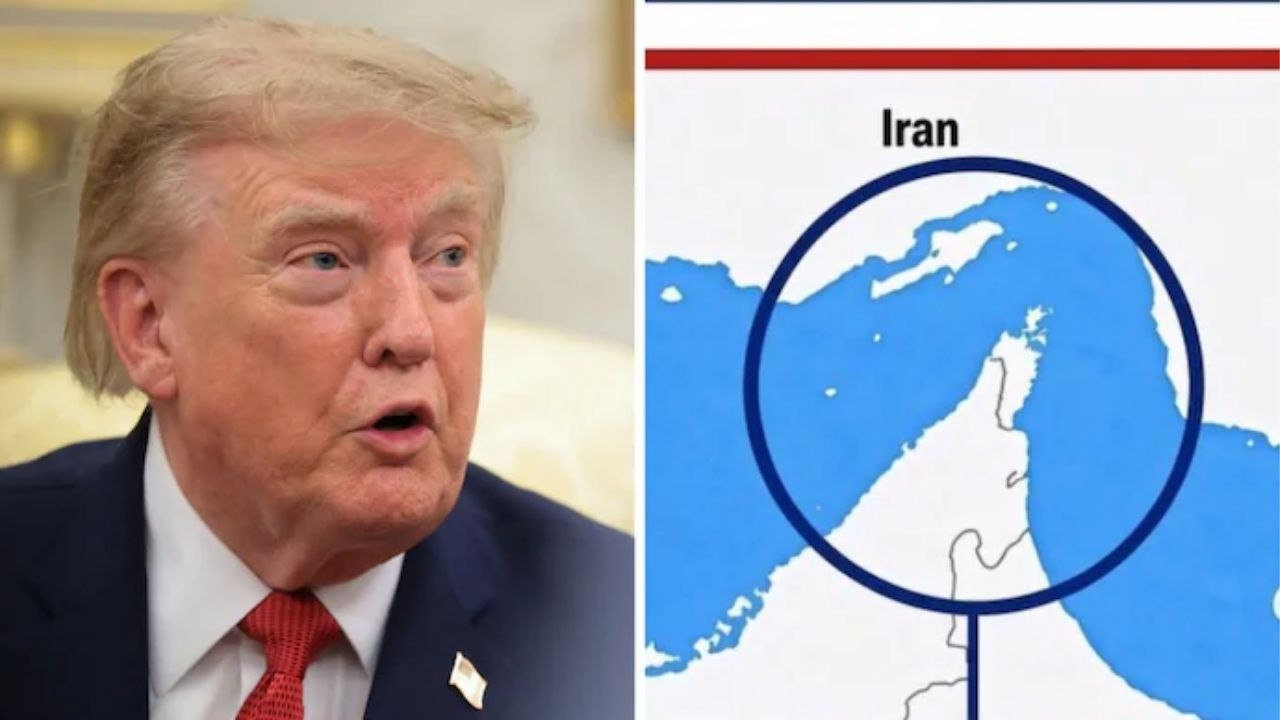
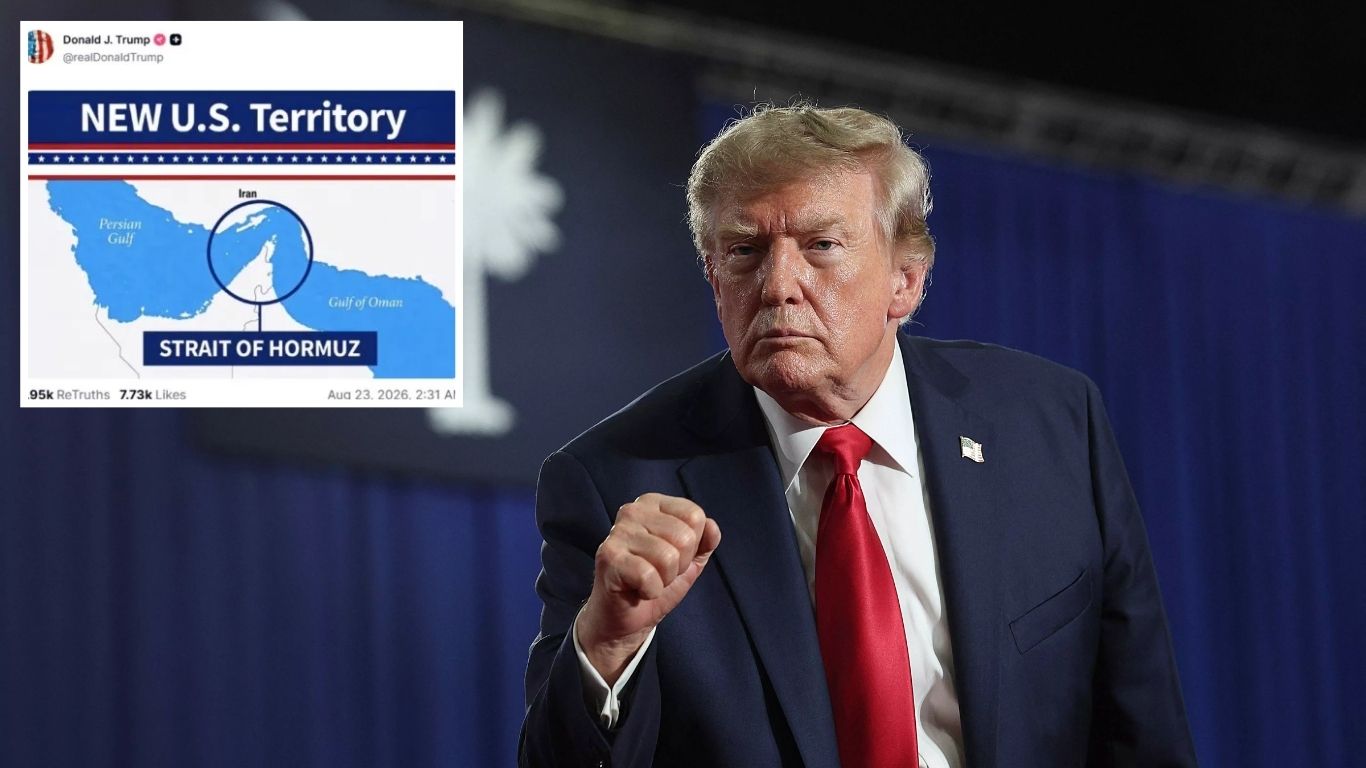
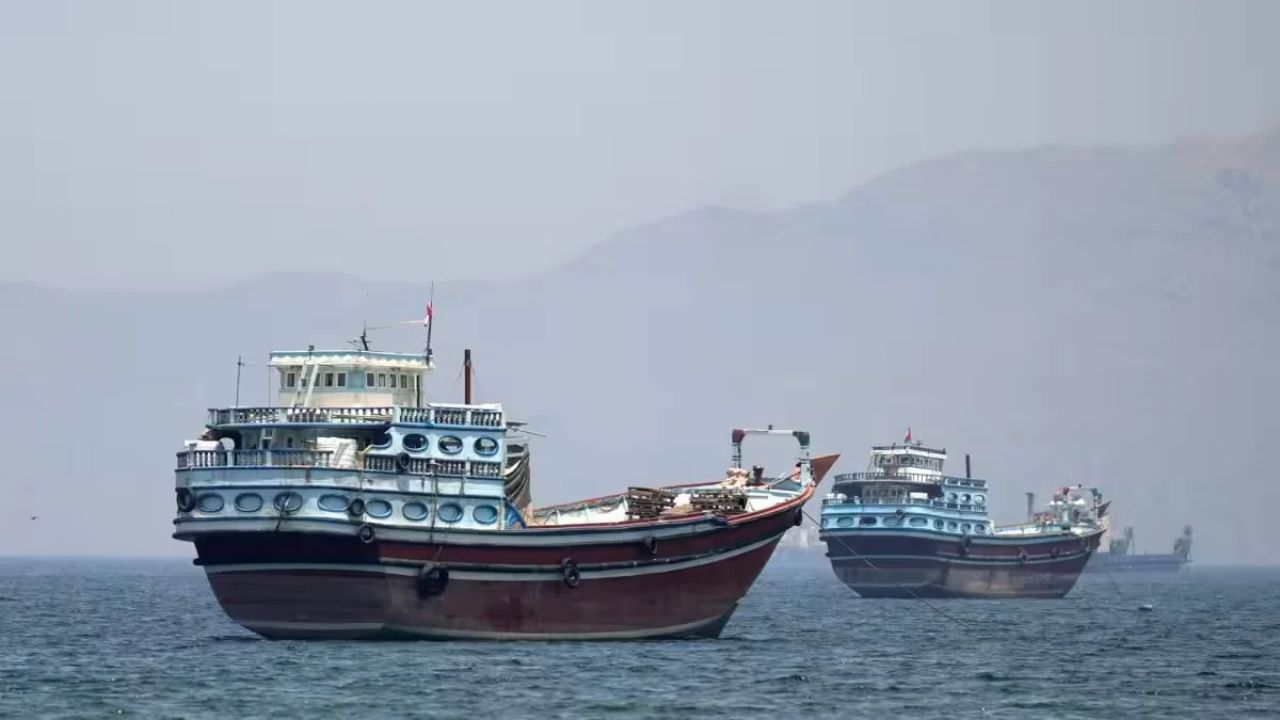
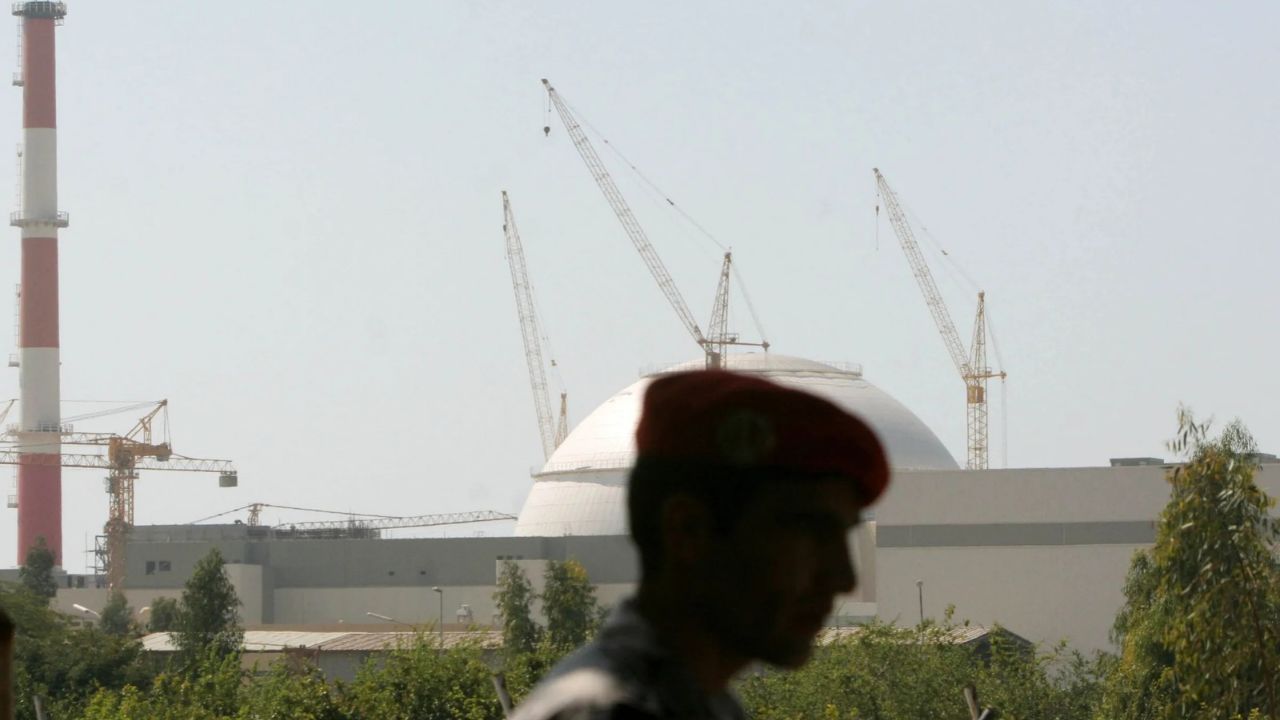
The latest escalation comes as tensions remain high around the Strait of Hormuz, one of the world’s most important energy routes.
The waterway connects the Persian Gulf with global markets and carries a significant share of the world’s oil supply. Any disruption in shipping through Hormuz could impact crude prices, fuel costs and global inflation.
The US has been focusing on maintaining oil movement through the region amid ongoing tensions, while Iran has repeatedly warned against foreign control over the strategic waterway.
Washington has already been increasing economic pressure on Iran through targeted sanctions aimed at restricting Tehran’s financial networks and limiting its international trade.
The latest announcement expands that strategy by warning countries and companies that continue economic ties with Iran.
The US believes such measures can force Tehran to reconsider its policies, while Iran argues that sanctions have historically failed to change its position.
Experts say the latest confrontation represents a high-stakes test for both sides.
While the US hopes economic isolation will weaken Iran’s negotiating position, Tehran has shown resistance to previous sanctions campaigns and continues to rely on regional partnerships and alternative trade routes.
The coming weeks could determine whether Trump’s “Economic D-Day” becomes a turning point in US-Iran relations or pushes the two countries toward a deeper confrontation.