 English
 English

Ukraine’s long-range drones reportedly reach deep inside Russian territory
Moscow: A reported Ukrainian drone attack on a key industrial facility deep inside Russian territory has triggered a fresh debate over the changing nature of modern warfare and the growing reach of unmanned aerial technology.
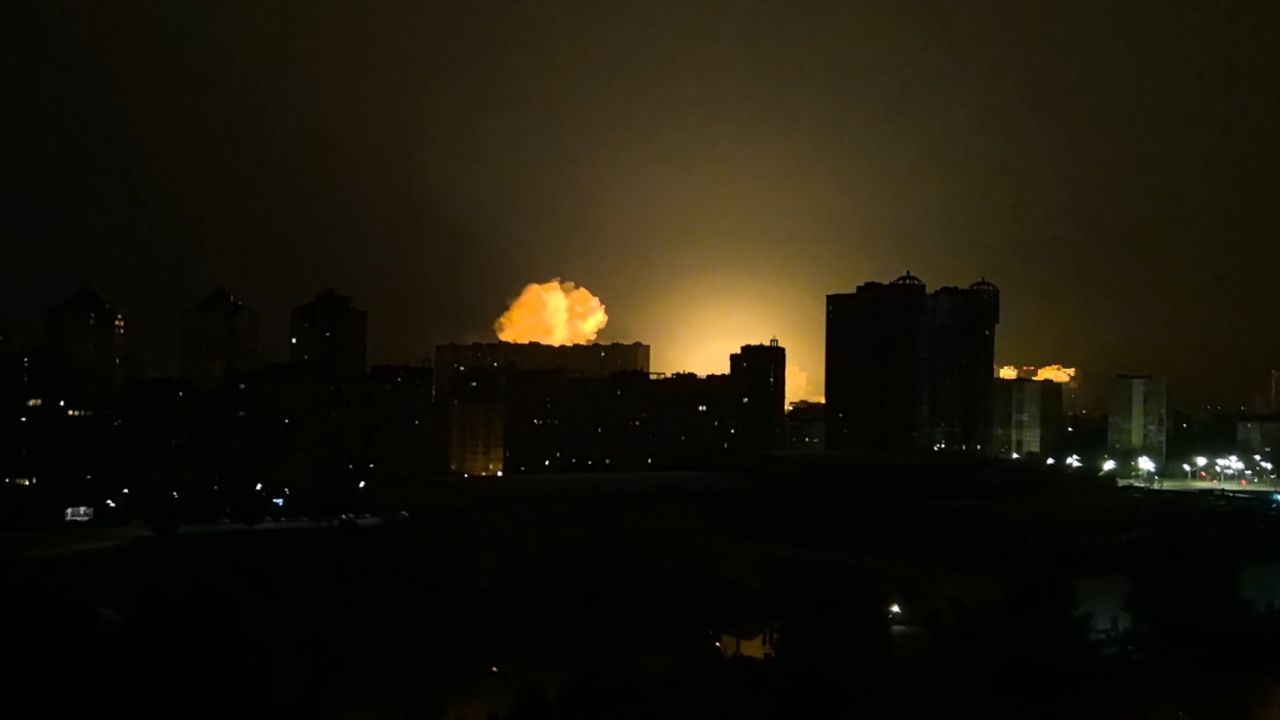
According to local reports and videos circulating online, drones targeted the Sterlitamak Petrochemical Plant in Russia’s Bashkortostan Republic on September 4. The facility is situated more than 1,300 kilometres away from Ukraine, making the reported strike one of the deeper drone operations linked to the ongoing Russia-Ukraine conflict.
The targeted plant is considered strategically important because it produces petrochemical materials, including products connected with aviation fuel and Russia’s military-industrial ecosystem. The exact scale of damage from the reported attack has not been confirmed.
Ukraine has not officially claimed responsibility for the operation, while independent verification of the reports remains pending.
The reported Sterlitamak attack reflects how long-range drones have transformed the battlefield between Russia and Ukraine. Unlike traditional military operations that require aircraft or missiles, advanced unmanned aerial vehicles allow countries to conduct precision strikes at significantly lower costs while reaching targets far beyond frontline areas.
Ukraine has increasingly used drone technology to target fuel facilities, oil infrastructure and industrial locations inside Russia, aiming to disrupt logistics networks and put pressure on military supply chains. The latest reported incident has once again highlighted the vulnerability of strategic facilities located far away from active combat zones.
Authorities in Russia’s Bashkortostan region confirmed that a drone incident occurred in the Sterlitamak industrial zone. However, officials did not immediately provide detailed information about the specific facility involved, the extent of damage or whether production activities were affected.
Security agencies are expected to examine the incident and assess possible risks to other industrial and defence-related locations across the region. Footage shared on social media reportedly showed signs of the aftermath, though the authenticity of the visuals and their connection to the attack are still being examined.
The Sterlitamak Petrochemical Plant is among Russia’s significant chemical and industrial facilities. Established in 1963 during the Soviet era, the plant has played a role in Russia’s petrochemical sector for decades.
The facility is currently operated under Russian chemical holding company Ruschem and has been linked to the production of materials used across industrial and defence-related sectors. Due to its strategic importance, the plant has reportedly faced previous drone-related incidents in recent years.
Earlier reported attacks on the facility in November 2025, April 2026 and August 2026 were described by Ukrainian-linked sources as attempts to disrupt Russia’s military supply infrastructure.
The reported attack demonstrates Ukraine’s continued focus on developing and deploying long-range unmanned systems. Military analysts have pointed out that drone warfare has become one of the most important elements of the Russia-Ukraine conflict, with both sides investing heavily in surveillance, reconnaissance and strike capabilities.
For Ukraine, targeting energy and industrial infrastructure inside Russia is aimed at weakening support systems that contribute to military operations. These operations also send a strategic message by showing that distance alone may no longer guarantee protection for critical facilities.
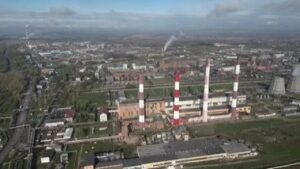
Smoke seen after reported drone strike on Sterlitamak industrial facility
Repeated drone attacks on Russian industrial locations have increased concerns over the protection of energy, fuel and defence-related assets. Russia has previously reported incidents involving attacks on oil refineries, fuel storage facilities and other strategic locations.
Such strikes can impact production, transportation networks and supply chains, creating additional challenges for military and civilian operations.
The growing use of drones has forced countries around the world to rethink traditional approaches to border security and infrastructure protection.
The reported Sterlitamak strike comes as Russia and Ukraine continue adapting their military strategies amid a prolonged conflict. The increasing use of drones has changed warfare by allowing smaller, cheaper systems to challenge larger and more expensive defence structures.
Experts believe drone technology will remain a key factor in future conflicts, influencing military planning, national security strategies and defence investments worldwide.
Russian authorities are expected to conduct a detailed assessment of the reported attack and investigate possible damage to the Sterlitamak facility. Any future statement from Ukrainian officials could provide more clarity on whether the operation was part of a planned long-range drone campaign.