English
 English

US Praises India as It Considers Easing Sanctions on Russian Oil
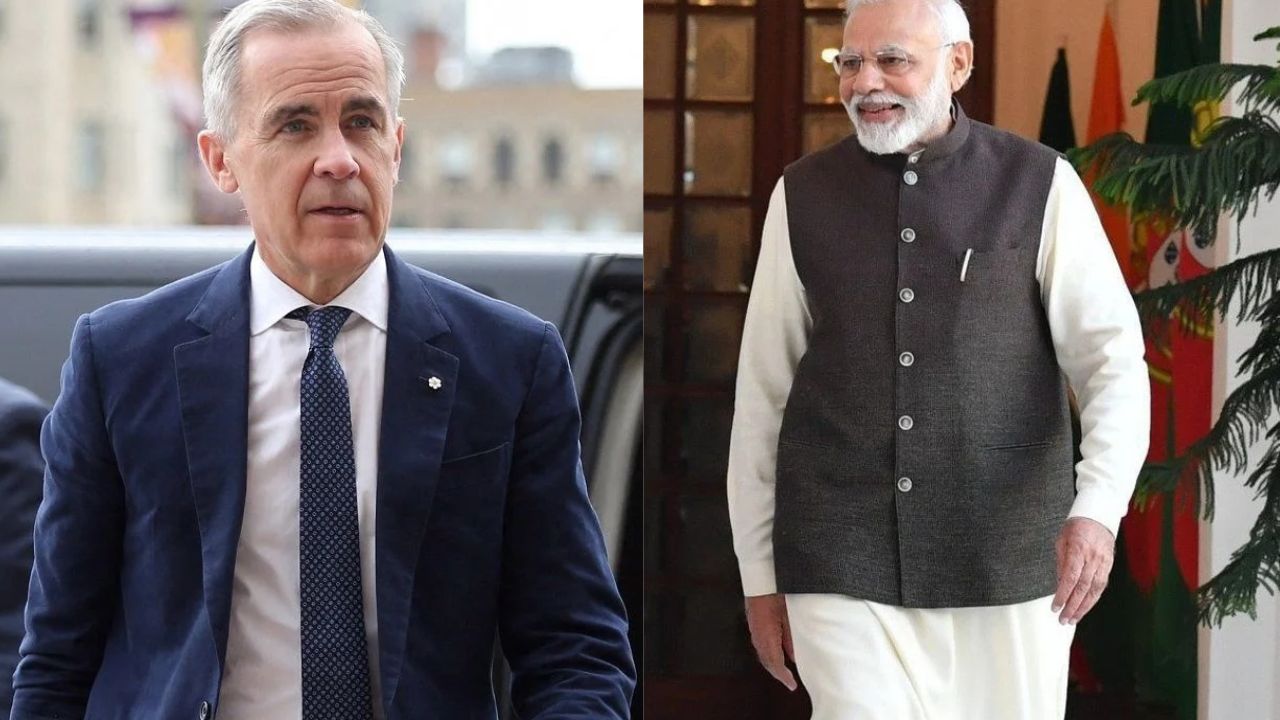
Washington DC: Amid growing uncertainty in the global energy market, the United States has indicated that it may temporarily ease some sanctions imposed on Russian crude oil. Meanwhile, the US administration has also praised India's cooperation on the issue of oil purchases from Russia. The US says that India respected the previously imposed sanctions and even complied with requests to halt purchases when necessary.
US Treasury Secretary Scott Bessent stated in a TV program that India has played a responsible role in the sanctions issue. He said that the US had previously requested India to halt purchases of banned Russian oil, and India complied with that request. He said, "Our allies in India have been good actors and have previously stopped buying sanctioned Russian oil."
He explained that due to pressure on global oil supply, the US has temporarily allowed the purchase of Russian oil from ships already stranded at sea. This decision is aimed at avoiding a sudden supply crisis in the global energy market.
The world is well supplied in oil thanks to @POTUS’ policy of American Energy Dominance.
Our allies in India have been good actors and have previously stopped buying sanctioned Russian oil. As we work to ease the temporary gap of oil supply around the world, we have temporarily… pic.twitter.com/XqnthTxSLn
— Treasury Secretary Scott Bessent (@SecScottBessent) March 7, 2026
The US administration on Thursday granted a temporary 30-day waiver, allowing the sale of Russian crude oil held at sea to allies like India. According to officials, this is a temporary measure to address the global supply shortage.
Bessant said that a large amount of Russian oil is present at sea, which, if released, could provide relief to global supply.
This potential policy change comes at a time when the international oil market is experiencing turmoil due to rising tensions in the Middle East. Brent crude prices rose above $90 per barrel on Friday. Experts say that if the conflict continues, prices could rise above $100 per barrel.
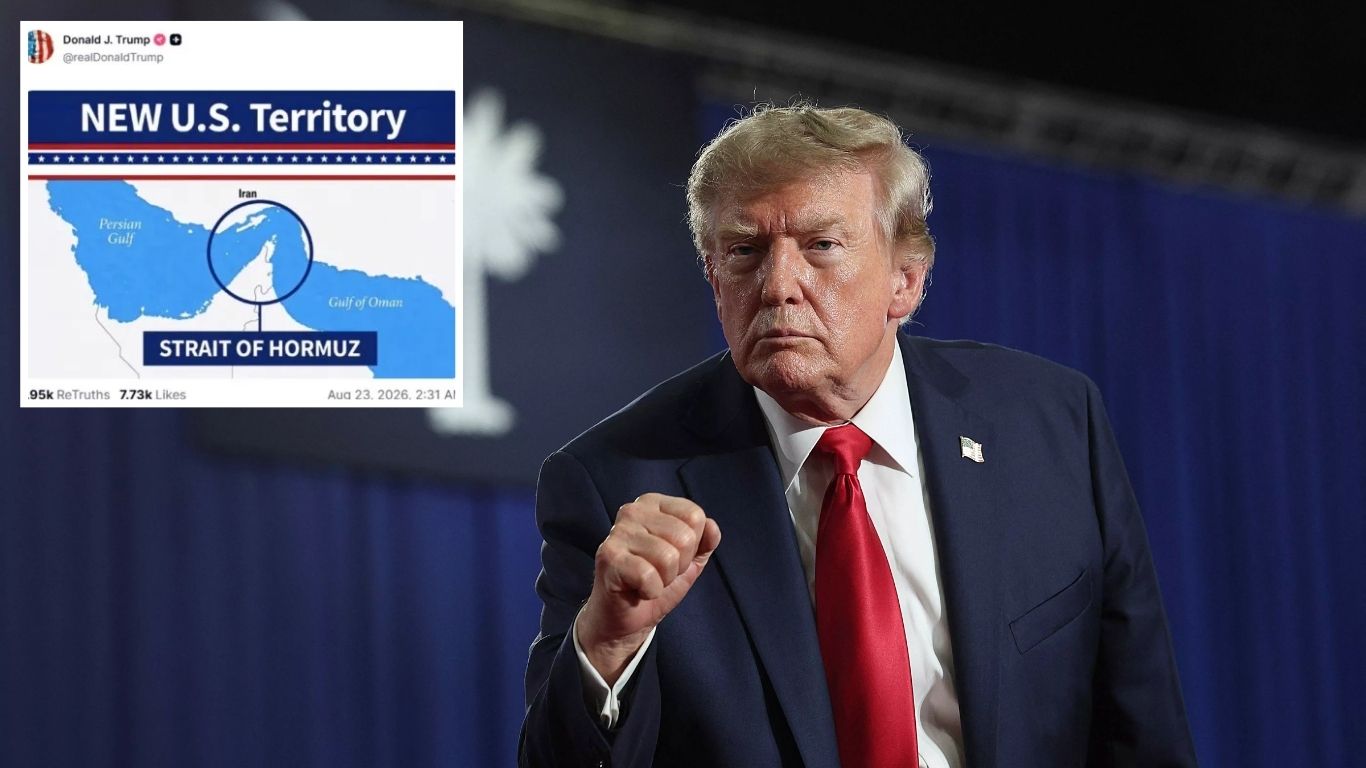
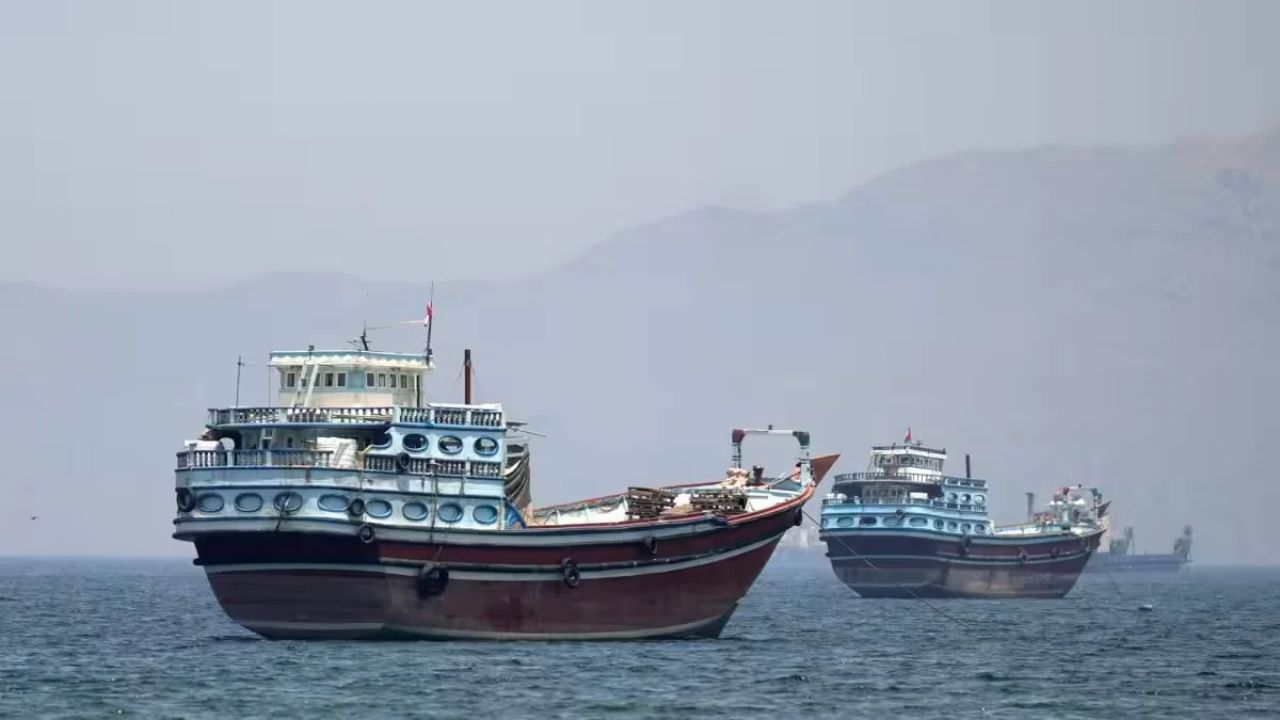
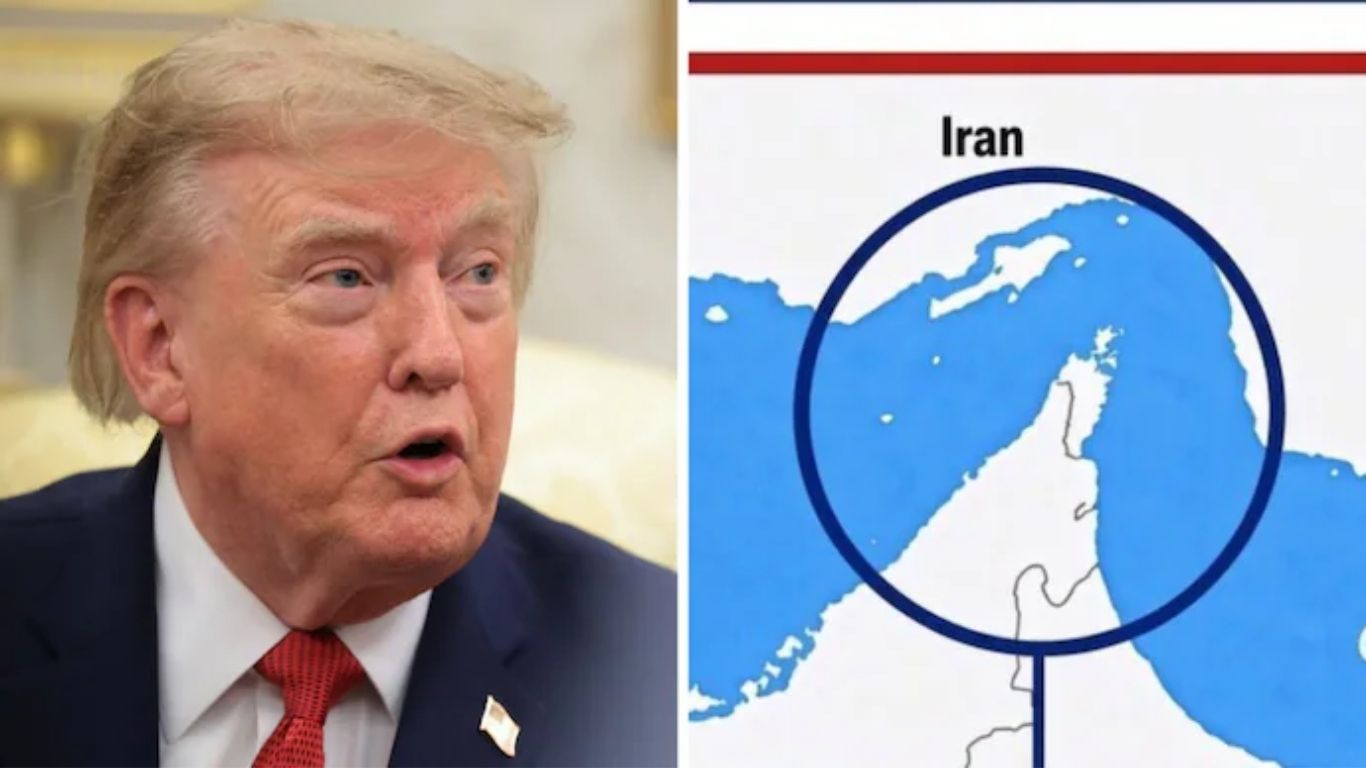
Tensions in the Middle East are also affecting shipping. Reports of conflict near the Strait of Hormuz have particularly affected the movement of oil tankers. This route is considered vital for approximately 20 percent of the world's oil supply.