 English
 English

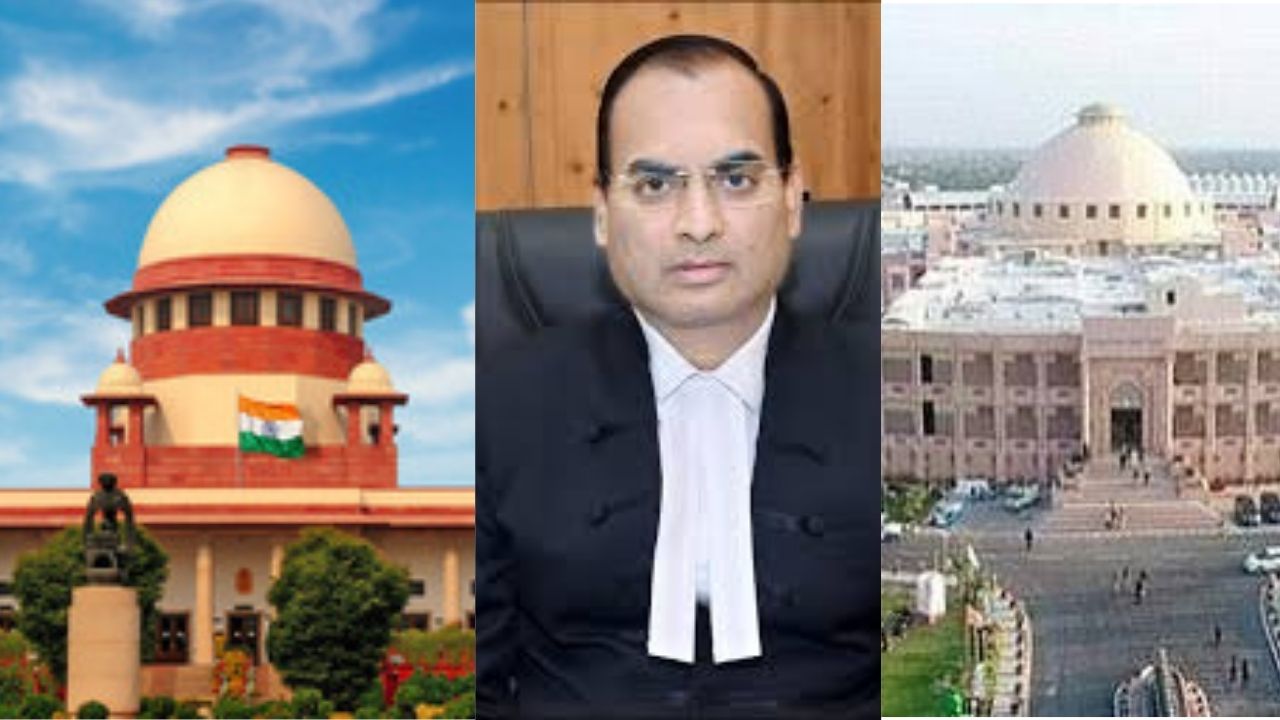
Supreme Court Verdict on Privacy (Image Internet)
New Delhi: The Supreme Court has ruled that a consensual physical relationship between two unmarried adults cannot, by itself, be treated as evidence of bad character. The observation came while the court set aside a recruitment decision that had disqualified a selected police constable candidate in Telangana.
A bench comprising Justice Manmohan and Justice Manoj Misra held that there is no legal provision in India that prohibits consensual relationships between unmarried adults. The court stressed that drawing adverse conclusions about a person’s character solely on this basis is unjustified.
The judges observed that such relationships are part of contemporary social realities and cannot automatically lead to negative moral or professional assessments.
"Physical relationship between two consenting unmarried adults cannot and should not by itself be a ground to draw adverse impression about character"
— Supreme Court of India, 2025 INSC 1351
The case involved a candidate who had been provisionally selected for the post of police constable but was later disqualified by theTelangana State Level Police Recruitment Board (TSLPRB. The disqualification stemmed from a criminal case linked to a failed relationship between the candidate and a woman.
Authorities had relied on compromise proceedings recorded through a Lok Adalat settlement in 2015 to question the candidate’s conduct and character.
However, the Supreme Court found this reasoning flawed, stating that the compromise did not imply guilt, especially since the matter arose from a personal relationship that had ended.
The bench noted that consensual relationships between adults cannot be treated as misconduct in the absence of any statutory violation. It further clarified that using such private matters to infer dishonesty or moral failure is inconsistent with constitutional principles.
Upholding an interim order of the Telangana High Court, the Supreme Court directed reconsideration of the candidate’s appointment. The ruling effectively restores his eligibility for the post, subject to fresh evaluation.
The judgment reinforces the principle that personal relationships between consenting adults cannot be used as a basis for professional disqualification or character assessment under law.