English
 English

From Lifeline to Environmental Concern: The Changing Face of Jhelum in Baramulla. (Img: Dynamite News)
Srinagar: The River Jhelum, widely regarded as one of Kashmir’s most important natural lifelines, is facing increasing environmental pressure in Baramulla. Garbage dumping, encroachments and unregulated human activity along several stretches have raised concerns about the health of the river and the future of its surrounding ecosystem.
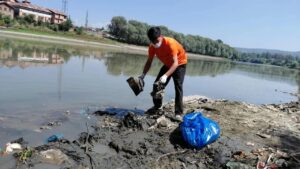
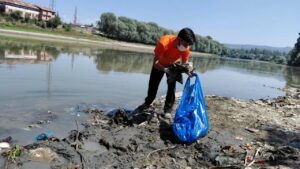
At multiple locations in and around Baramulla, waste and unwanted material can be seen accumulating along the riverbanks. The growing pressure from human activity is affecting the appearance of the river as well as raising wider concerns about pollution, aquatic biodiversity, water quality and the natural functioning of the river system.
For generations, the Jhelum has been closely linked with life in Kashmir. Communities living along its banks have depended on the river for various household and livelihood needs, while the water body has remained an important part of the region’s history, culture and landscape.
Residents in Baramulla say the condition of the river reflects a major change from the past, when the Jhelum was seen more directly as a community resource. Today, increasing waste and pressure on its banks have created concern among people who fear that continued neglect could cause lasting ecological damage.
(Img: Dynamite News)
The problem goes beyond garbage lying along the riverbanks. Pollution and encroachment can place pressure on aquatic habitats, water quality and the overall ecological balance of the river.
Unplanned activity along riverbanks can also interfere with natural drainage and the functioning of vulnerable stretches during periods of heavy rainfall. This makes protection of the riverbanks important not only from an environmental perspective but also from the standpoint of long-term water and flood management.
The Jhelum is part of the wider river system that supports communities and ecosystems across the Kashmir Valley. Any deterioration of the river therefore has implications beyond individual stretches in Baramulla.
(Img: Dynamite News)
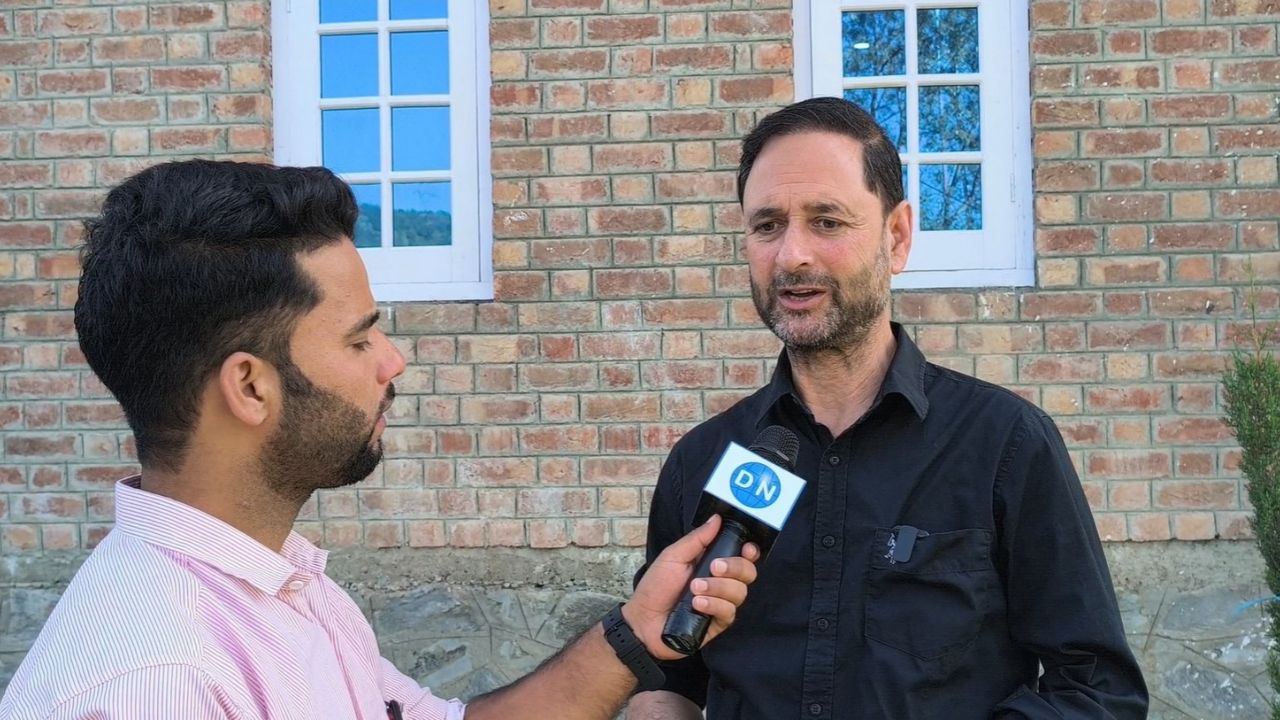
Amid growing concern, a young Baramulla resident, Nayeem Farooq, has started an initiative called Mission Clean to encourage greater public awareness about the condition of the Jhelum. The campaign focuses on changing public behaviour and encouraging residents to take greater responsibility for keeping the river and its banks clean.
The initiative highlights a difficult reality facing many urban and semi-urban water bodies in India: government action can address waste removal and enforcement, but long-term improvement is difficult unless communities also stop treating rivers as dumping grounds. The campaign is therefore seeking to connect environmental protection with civic responsibility, urging people to see the Jhelum as a shared natural asset rather than merely another public space.
While citizen participation is important, residents also point to the responsibility of government departments and local authorities. Effective protection of the Jhelum would require regular monitoring of vulnerable stretches, action against illegal dumping, enforcement against unauthorised encroachments, scientific waste management and periodic cleaning of polluted riverbanks.
Experts and environmental campaigners have long stressed that river restoration cannot depend only on short-term cleanliness drives. It requires sustained monitoring, pollution control, proper solid waste disposal, protection of water channels and coordinated action between civic authorities and local communities.
(Img: Dynamite News)
The Jhelum is more than a geographical feature for the people of Kashmir. The river has played an important role in the region’s history and continues to shape the landscape and lives of communities along its course.
For older residents of Baramulla, the changing condition of the river also carries an emotional dimension. The decline in cleanliness represents a visible change in how a river that once occupied an important place in everyday life is being treated today. That human connection has become an important part of the growing conversation around Jhelum conservation.
The biggest concern is what continued neglect could mean for the future. If garbage accumulation, pollution and encroachment continue without effective intervention, restoring degraded stretches could become more complicated and costly. Damage to river ecosystems can also affect aquatic organisms, natural habitats and the broader environmental balance.
The challenge is therefore not simply to clean the river once but to prevent the same pollution from returning. This requires a combination of enforcement, infrastructure, scientific waste management and sustained public participation.
The condition of the Jhelum in Baramulla puts the focus on both administration and citizens. Authorities need to strengthen monitoring and enforcement, while communities must play a greater role in preventing waste from entering the river. The Mission Clean initiative has added a grassroots dimension to the issue by attempting to turn concern into public participation.
For Baramulla, the question is no longer simply about how the Jhelum looks today. It is about what kind of river future generations will inherit. Protecting Kashmir’s lifeline requires more than slogans or occasional cleanliness drives. It depends on consistent environmental governance, responsible civic behaviour and collective efforts to ensure that the Jhelum remains a living river rather than a water body slowly overwhelmed by pollution and encroachment.