English
 English

S Jaishankar Says India Ensuring Safe Passage for Ships
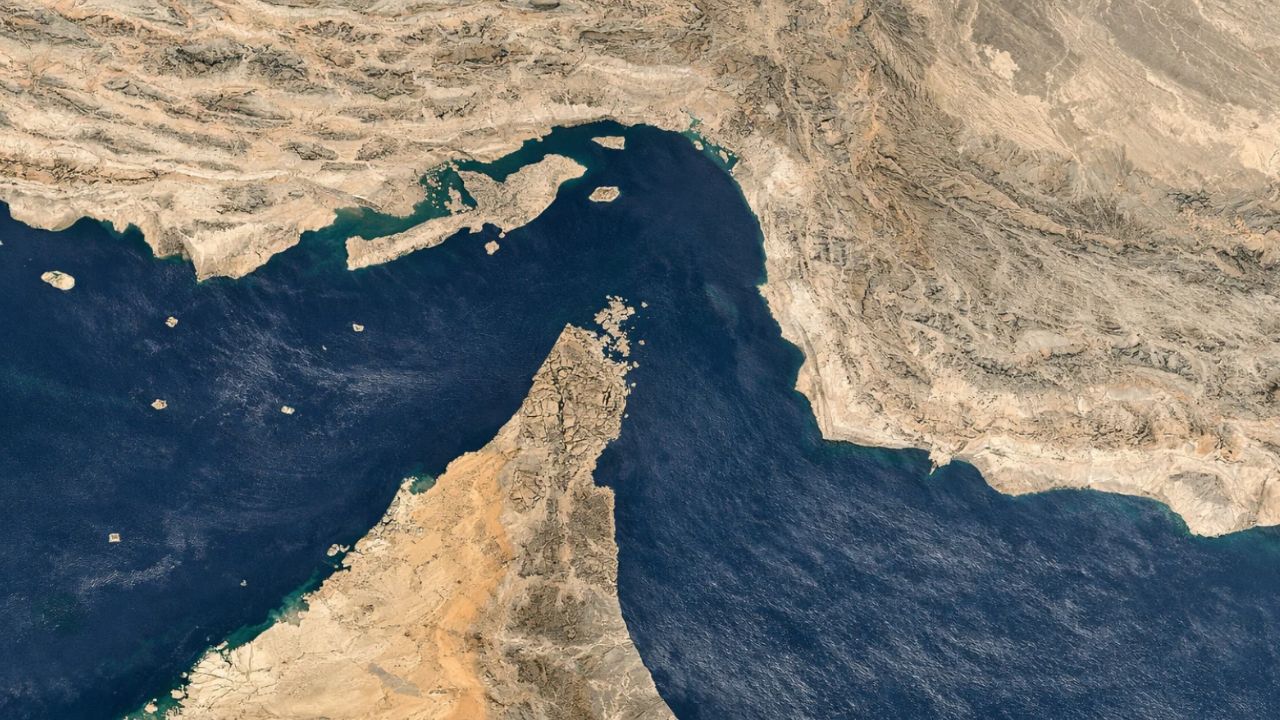
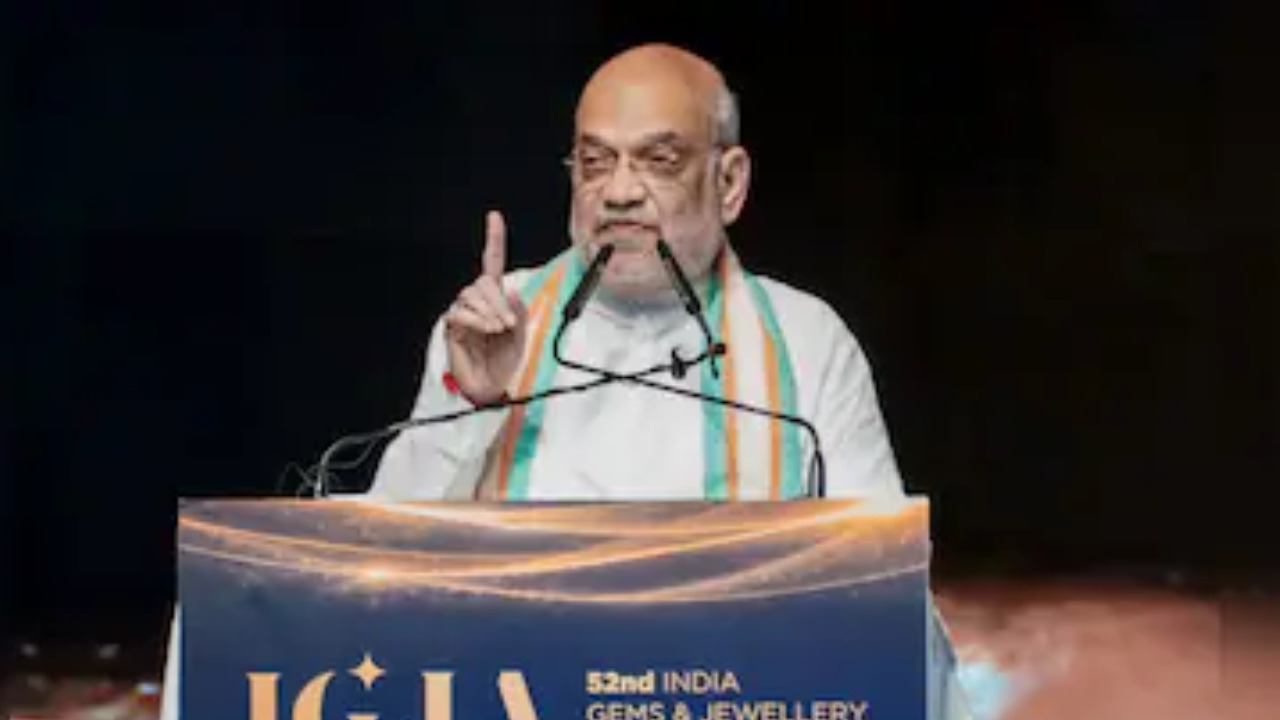
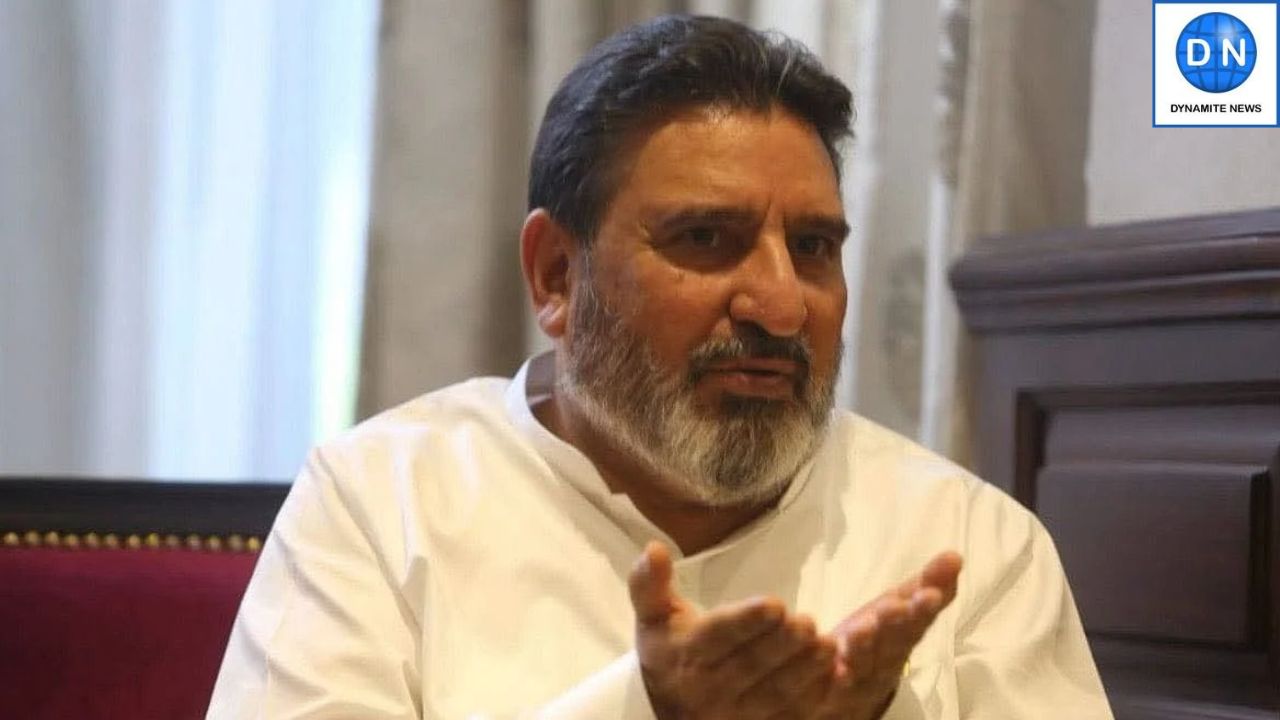
New Delhi: The conflict in West Asia that has been ongoing for the past 17 days has shaken the global oil market. The Strait of Hormuz, one of the world's most important maritime oil routes, has been the most affected by this tension. Amid this situation, India has taken proactive diplomatic action. Foreign Minister Subrahmanyam Jaishankar stated that India is engaging in direct and decisive dialogue with Iran, ensuring the safe passage of Indian-flagged ships.
S Jaishankar clarified that there is no blanket agreement between India and Iran regarding the transit of ships. He stated that each ship is being granted permission individually.
He also stated that India has not offered Iran any special benefits in exchange for allowing ships to pass. According to him, India and Iran have long-standing cooperation, and this trust is the basis for this dialogue.
Last week, Iran granted permission to two Indian-flagged LPG vessels to pass through the Strait of Hormuz. This permission came just hours after a telephone conversation between Prime Minister Narendra Modi and Iranian President Masoud Pezeshkian.
The issue was also discussed between S Jaishankar and his Iranian counterpart, Seyed Abbas Araghchi.
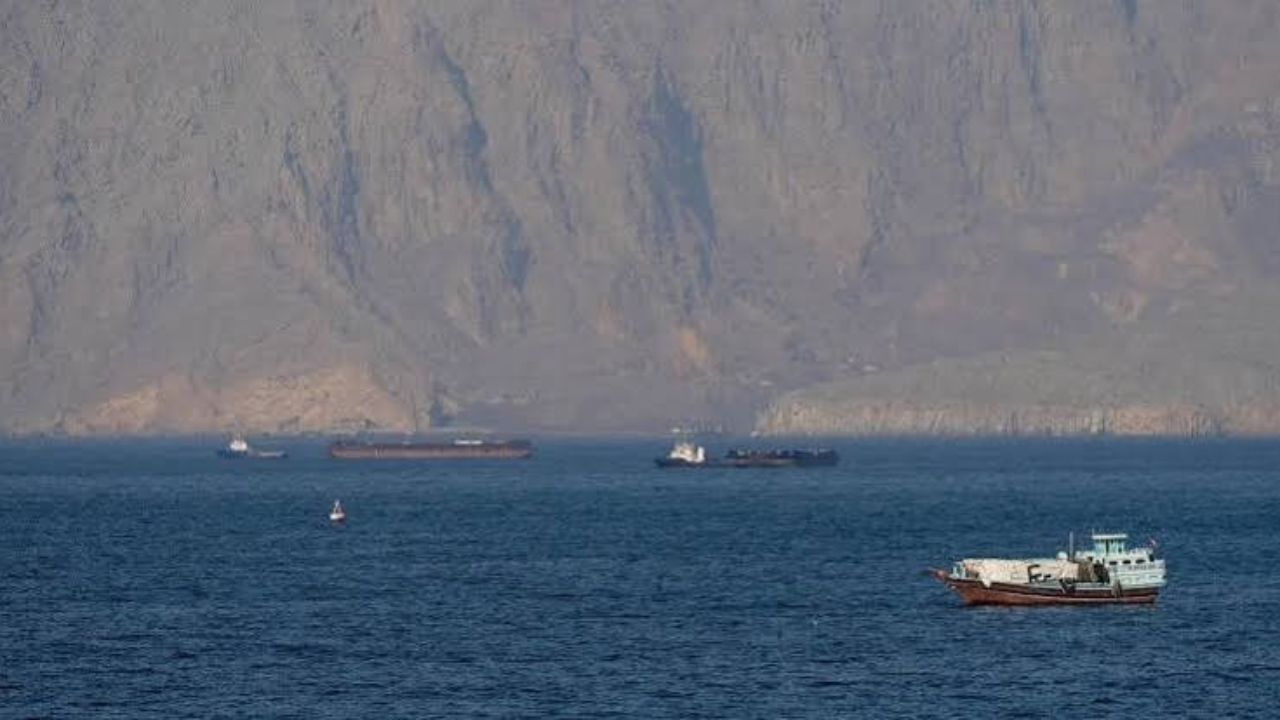
According to reports, Iran has closed the Strait of Hormuz to only American and Israeli ships and their allies. Approximately 20 percent of the world's oil trade passes through this waterway, so escalating tensions there significantly impact global energy supplies.
The ongoing conflict in West Asia has also led to crude oil prices rising to nearly $100 per barrel.
Meanwhile, US President Donald Trump has called on his allies to send warships to protect the Strait of Hormuz. However, several countries, including Japan and Australia, have not responded positively to this appeal.
India has chosen diplomatic dialogue and cooperation over military options in this situation. Foreign Minister Jaishankar stated that India is ready to share its strategy with European countries, but each country's circumstances with Iran are different.