 English
 English

Heavy Snowfall Triggers Severe Winter Conditions
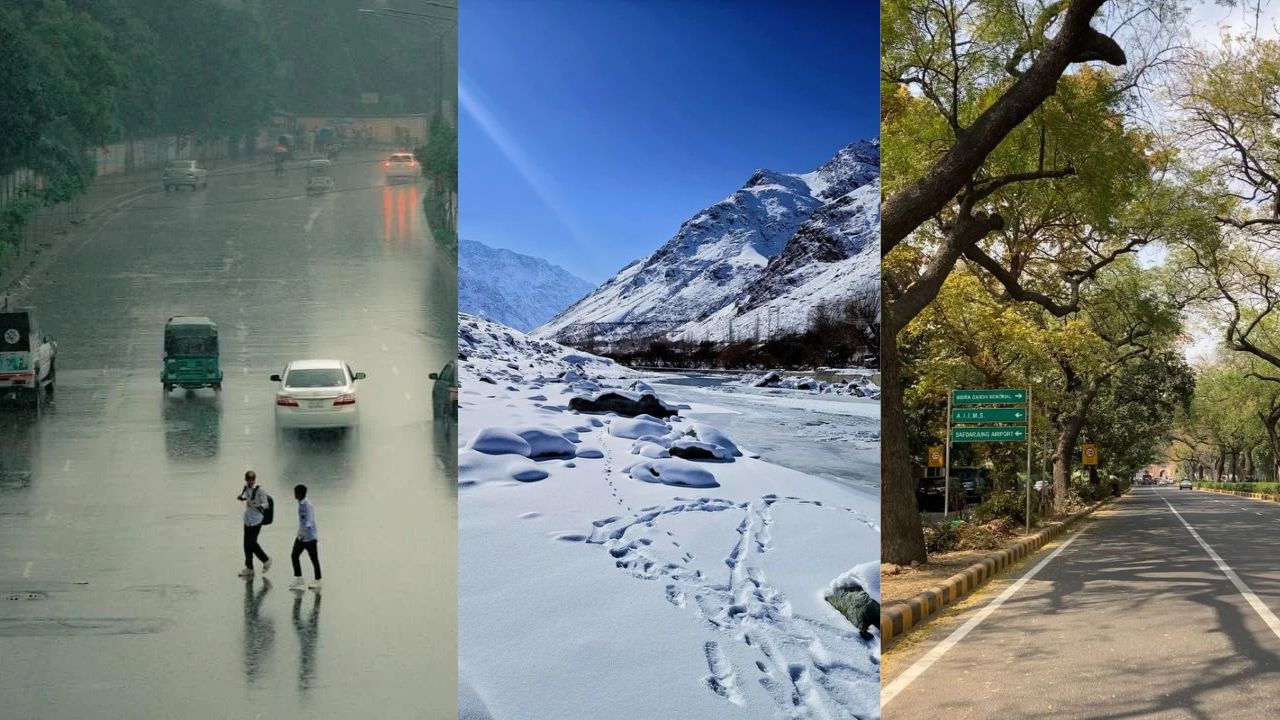
New Delhi: North India is currently reeling under a severe cold wave. The effects of continuous snowfall in the hilly states are now clearly visible in the plains. Minimum temperatures have dropped sharply in Delhi, Punjab, Haryana, and Rajasthan. The national capital, Delhi, recorded a minimum temperature of 8.1 degrees Celsius, while Mahendragarh in Haryana saw a drop to 4 degrees.
A thick blanket of snow has blanketed the surrounding areas, including Kedarnath shrine in Uttarakhand. The high peaks of Kullu-Manali and Lahaul-Spiti in Himachal Pradesh have also experienced heavy snowfall. Tabo recorded a temperature of minus 6.8 degrees Celsius, and Gulmarg in Kashmir recorded minus 6.5 degrees Celsius.
Weather Update: Cold wave tightens grip across India as dense fog disrupts daily life
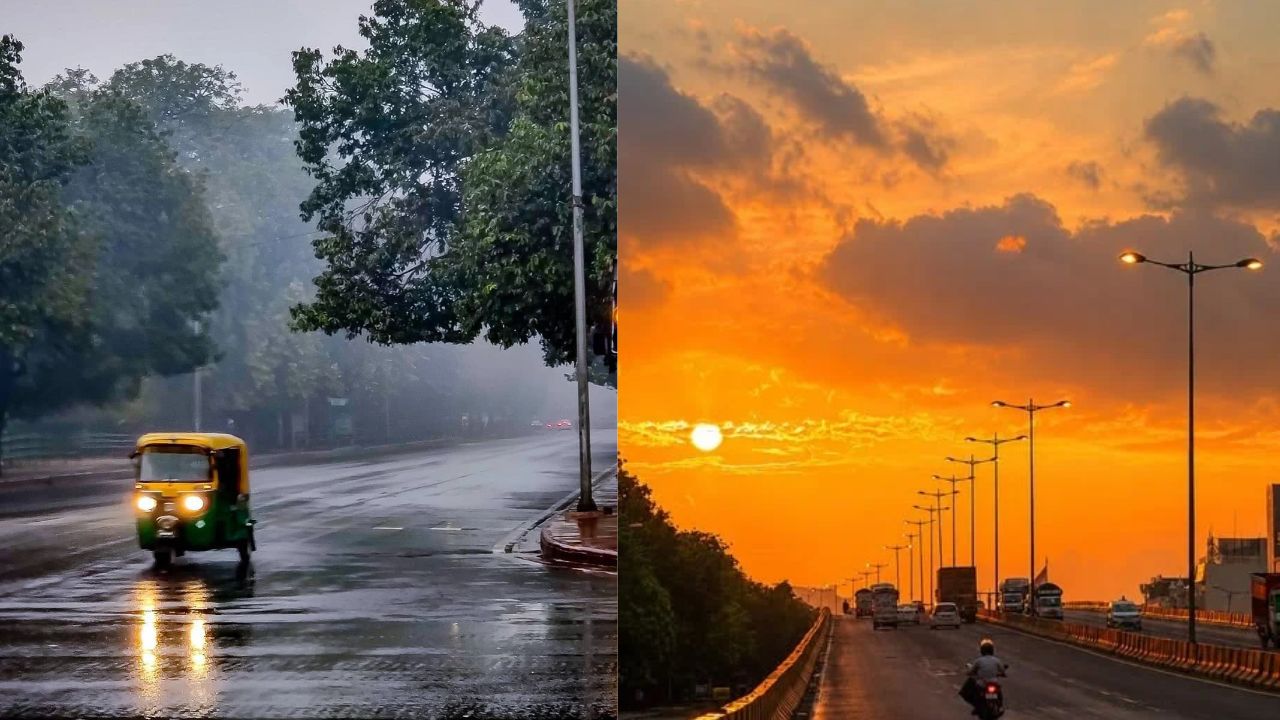
Dense fog has enveloped many areas of Uttarakhand, Jammu and Kashmir, Punjab, Haryana, Uttar Pradesh, Bihar, and Odisha. Visibility dropped to less than 50 meters in many places. A yellow alert has been issued for dense fog in Delhi. Fog is expected to persist during the morning and night hours for the next seven days.
The cold and fog have also affected the air quality in Delhi-NCR. On Saturday, Delhi's average AQI was recorded at 267, which falls in the poor category. Faridabad, Gurugram, Noida, and Ghaziabad also recorded AQIs above 200, which could lead to respiratory problems.
Dense fog, cold wave, and frost can directly impact Rabi crops and vegetables. According to agricultural scientists, potatoes, tomatoes, peas, cabbage, and green leafy vegetables are particularly susceptible to frost. Farmers have been advised to irrigate lightly at night and take measures to cover their crops in anticipation of frost.
Experts recommend maintaining balanced irrigation for wheat, gram, and mustard crops. Spraying insecticides or fungicides should be done only after the fog clears to prevent fungal diseases.