English
 English

UP Govt considering Gangster Act to break the supply chain.
Lucknow: A major crackdown is underway across Uttar Pradesh after reports of child deaths linked to consumption of codeine based cough syrup in neighbouring Madhya Pradesh. The tragedy brought the spotlight onto illegal distribution networks and fast growing misuse of medical cough syrups as recreational intoxicants. What began as a routine pharmaceutical product has now evolved into an organised black market trade that stretches across districts, with police and drug control units racing to locate suppliers and seize large volumes of illicit stock.
So far, more than 118 FIRs have been registered and raids have taken place at over 275 medical establishments across 36 districts including Lucknow, Ghaziabad, Bareilly, Kanpur, Bahraich, Lakhimpur Kheri, Varanasi and Jaunpur. The sweep marks one of the largest operations in recent years against medicine based narcotics inside the state.
Codeine containing cough syrup is medically prescribed to treat cough and cold symptoms, yet the opiate compound in it makes the medicine addictive when consumed in excess. Over time, the syrup has been embraced as an easily accessible intoxicant especially among youth in regions where alcohol restricts availability or remains expensive. In states like Punjab, it has already emerged as a popular alternative to liquor.
The stock seized in Uttar Pradesh reportedly contained codeine levels high enough to trigger dependency and euphoric effects, making it functionally similar to recreational drugs. The growing addiction pattern and interstate smuggling have led to heightened attention from regulators who now fear a deeper public health crisis if left unchecked.
New revelations surface in codeine cough syrup racket in Azamgarh; Detailed report inside
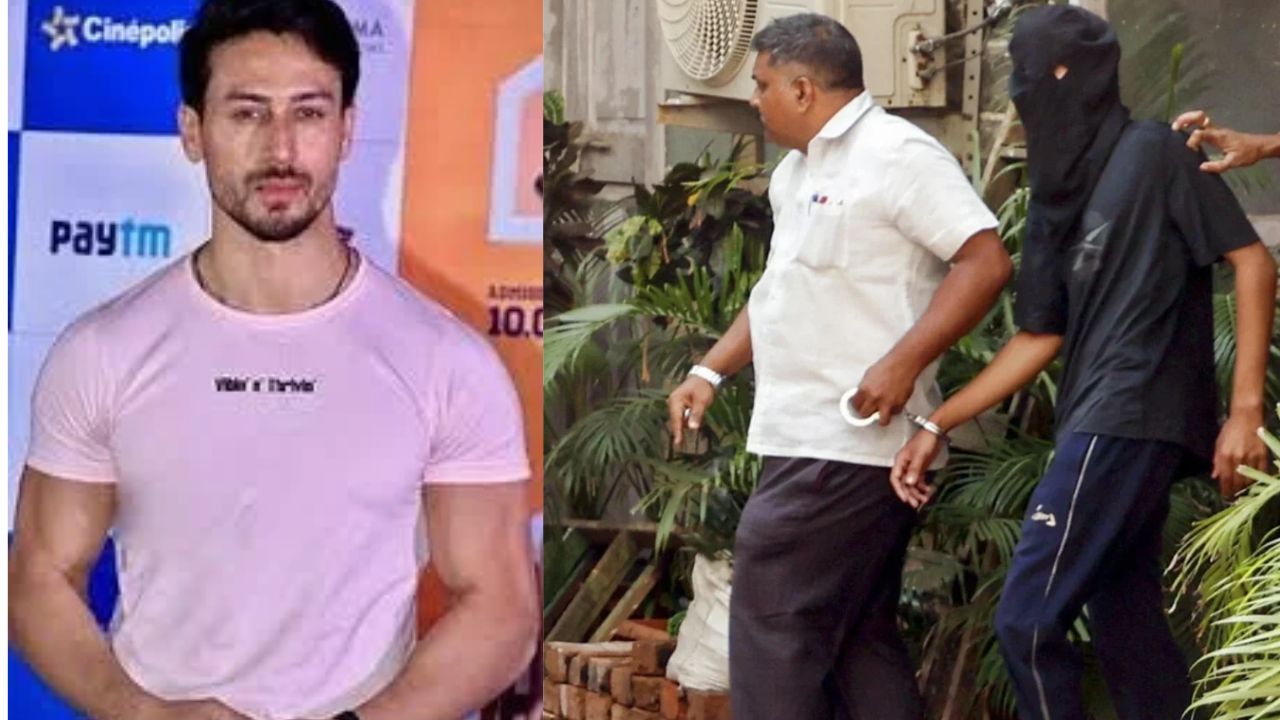
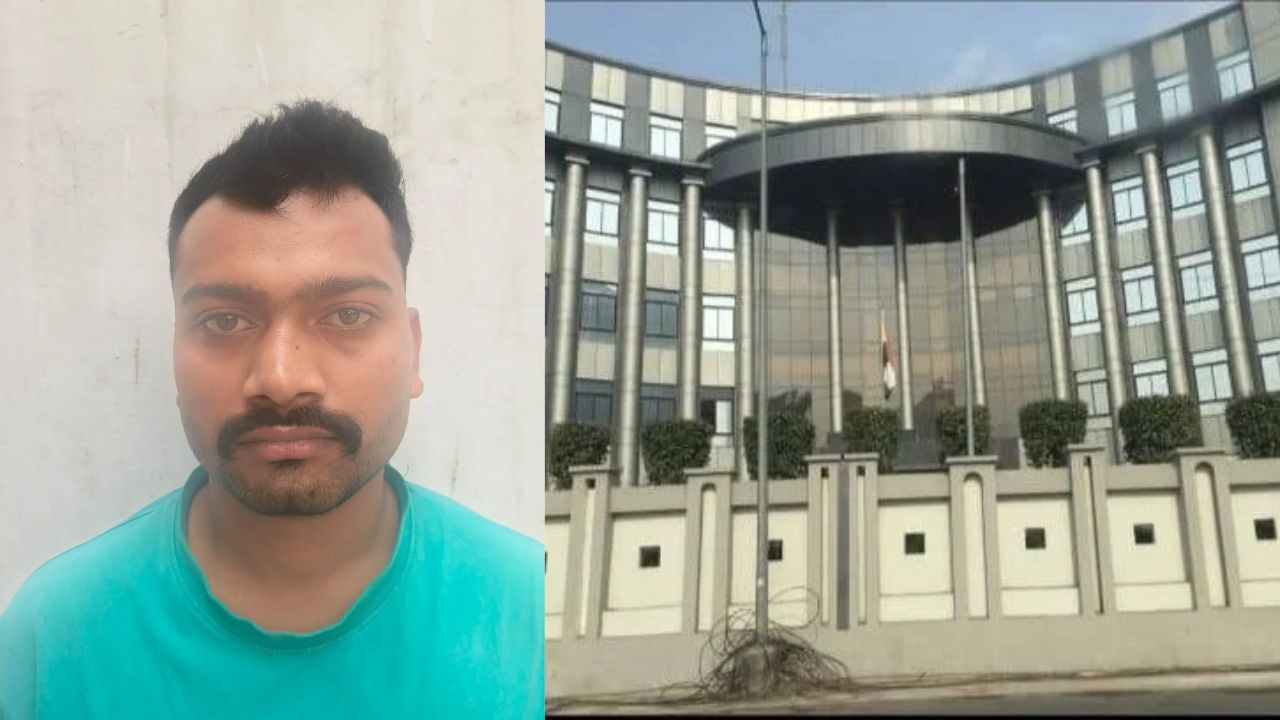
Key arrests have already been made, with three primary suspects captured among several others involved in stocking, transporting and supplying the syrup. Individuals including Shubham Jaiswal, Amit Tata, Vishal Sonkar, Vishal Upadhyay, Akash Maurya, Arun Sonkar, Imran, Irshad, Anmol Gupta and Rohan Pachori have been detained during the expanding crackdown. At the same time, some accused remain absconding and search operations are continuing across various districts.
The involvement of organised networks rather than isolated retailers indicates the scale and profitability of the illegal trade. Police teams including STF units have begun mapping distribution chains to identify warehouses, transport routes and possible interstate linkages.
The Uttar Pradesh Government has stated that strict legal measures are on the table, including application of the Gangster Act, which would allow stronger prosecution, asset seizure, and dismantling of financial networks funding the illegal trade. If implemented, it would escalate the crackdown from a regulatory enforcement exercise to a comprehensive crime dismantling operation.
The objective is not only to curb ongoing sales but to eliminate root structures ranging from chemical sourcing to retail distribution. Officials believe the network is financially backed and shielded at multiple levels which requires a high severity law for lasting impact.
The rising misuse of codeine cough syrup is no longer an isolated Uttar Pradesh issue. Himachal Pradesh, Punjab, Tamil Nadu and West Bengal have also observed increased addiction and trade, though responses vary in intensity. Questions now revolve around whether states will adopt uniform control measures and whether political interests hinder operations against well financed narcotics networks.
For now, Uttar Pradesh has moved ahead aggressively with raids, arrests and FIR registrations, yet the crisis is far from contained. The unfolding investigation may uncover larger criminal links or reveal loopholes within pharmaceutical tracking systems that allowed diversion of licensed medicine into illegal circulation.