 English
 English

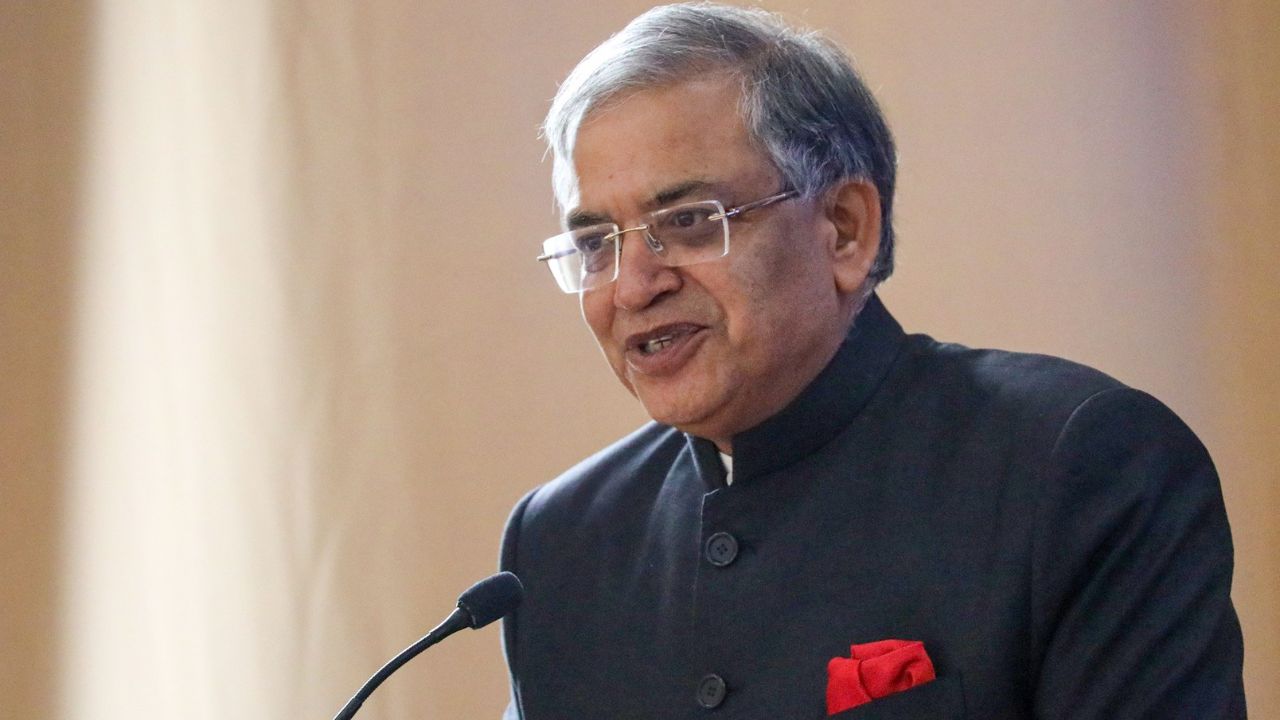
Supreme Court puts the spotlight on CEC Gyanesh Kumar, seeks Election Commission’s response on SIR dispute. (Img: Pinterest)
New Delhi: The Supreme Court on Monday declined to immediately suspend Chief Election Commissioner Gyanesh Kumar and instead sought responses from the Election Commission of india (ECI) and other respondents over allegations concerning unilateral decisions linked to the Special Intensive Revision (SIR) of electoral rolls. The case has drawn intense attention because it raises questions about collective decision-making inside the poll panel and the possible impact of electoral-roll changes on voters.
The Bench of Chief Justice of India (CJI) Surya Kant, Justice Joymalya Bagchi and V Justice Mohana issued notices to the Union government, the ECI, CEC Gyanesh Kumar, Election Commissioners Sukhbir Singh Sandhu and Vivek Joshi, Deputy Election Commissioner Maneesh Garg and Director General (IT) Seema Khanna.
The court’s decision is significant because the petitioners had sought immediate interim relief against the CEC. Instead of passing an ex-parte order, the bench chose to hear the respondents first and seek the records and explanations surrounding the disputed decisions.
### Why the Gyanesh Kumar Case Has Reached the Supreme Court
The legal challenge follows reports that Election Commissioners Sukhbir Singh Sandhu and Vivek Joshi had recorded objections on multiple occasions concerning decisions and orders associated with the SIR exercise.
According to the petitions, the two Election Commissioners raised objections at least 14 times over a period of around 10 months. The disputed issues reportedly concern voter registration and deletion, electoral-roll management and the technology systems used during the revision exercise.
The petitioners argue that the Election Commission is a multi-member constitutional body and that its powers cannot be exercised as though they belong exclusively to the CEC.
The Election Commission has presented a different position. It has maintained that internal observations, inputs and suggestions during the administrative and drafting process are part of its normal functioning and that decisions relating to the SIR schedule were unanimous.
The dispute, therefore, is not merely about individual decisions. At its core is a larger legal question about how collective authority within the Election Commission should operate.
### Supreme Court Questions Immediate Suspension of CEC
The petition filed by Rakesh Kumar Singh seeks, among other reliefs, suspension of Gyanesh Kumar as Chief Election Commissioner while the allegations are examined.
The petitioners have argued that urgent intervention is necessary because electoral-roll decisions directly affect citizens’ ability to remain registered voters and participate in elections.
The bench, however, indicated that suspending the head of the Election Commission without first hearing the respondents would have serious institutional consequences.
The court also considered the practical question of how the Election Commission would function if the CEC were suspended. The petitioner’s side suggested that the other two Election Commissioners could continue handling the Commission’s responsibilities.
The court’s approach makes clear that the immediate question is whether there is sufficient legal and factual material to justify interim intervention before the respondents have been heard.
### Section 18 Becomes Central to the Legal Battle
The petitioners have relied heavily on Section 18 of the Chief Election Commissioner and Other Election Commissioners Act, 2023.
The provision establishes the framework for decision-making within the Election Commission, providing for unanimity as far as possible and majority decision-making where unanimity cannot be achieved.
The petitioners contend that this statutory framework becomes particularly important when members of the Commission record objections to decisions associated with electoral-roll revision.
The case could consequently have implications beyond the present SIR controversy. A judicial interpretation of the Commission’s decision-making structure could influence how disagreements between the CEC and other Election Commissioners are handled in future.
### Court Wants Records, Not Just Media Reports
Another important point emerging from the hearing is the Supreme Court’s insistence on examining the underlying material.
The petitioners referred to media reports concerning alleged unilateral decisions within the Election Commission. The bench indicated that it could not determine the legality of disputed decisions solely on the basis of newspaper reports.
The respondents will therefore be required to place their position and relevant records before the court. This could include the decision-making trail, internal communications and documents relating to the SIR measures under challenge.
That distinction is crucial because the allegations have not been judicially established. The Supreme Court is now moving towards examining the documentary and legal basis of the claims.
### Second Plea Seeks Inquiry Into ECI Decisions
The Supreme Court also issued notice on a connected petition filed by advocate Shailendra Mani Tripathi.
The second petition seeks the quashing of the 14 decisions alleged to have been taken unilaterally. It also seeks an independent judicial inquiry or a Special Investigation Team headed by a retired Supreme Court judge, with cybersecurity and information technology experts assisting the investigation.
The proposed inquiry would examine the functioning of the ECINet and ERONet systems and investigate allegations concerning changes made during the SIR exercise.
The petition has also sought action under Section 32 of the Representation of the People Act, 1950, against officials alleged to have breached their official duties in connection with electoral-roll processes.
### Electoral Rolls at the Heart of the Dispute
The most consequential aspect of the controversy is its connection with electoral rolls.
The petitions allege that large-scale changes were made to voter records during the SIR process and raise questions about the deletion and restoration of names, the management of electoral databases and the use of technology platforms associated with the roll-revision exercise.
One petition refers to an alleged deletion of around 13 crore names across 30 States and Union Territories. This figure forms part of the petitioners’ allegations and has not been established by the Supreme Court.
The pleas also raise allegations concerning the modification of Form 6, the centralisation of electoral-roll databases and the restoration of eligible voters through the ECINet system.
The petitions further refer to appeals in West Bengal challenging the inclusion of voters and seek judicial scrutiny of the administrative processes behind those developments.
### Why the SIR Controversy Matters to Voters
The Special Intensive Revision is directly connected to the electoral register, making the dispute particularly significant for ordinary voters.
An electoral roll determines who is formally registered to participate in an election. Questions surrounding the addition, deletion, restoration and verification of voter names therefore have consequences far beyond administrative procedure.
For citizens, the broader concern is whether the mechanisms used to update electoral rolls are transparent, legally authorised and capable of protecting eligible voters from wrongful exclusion.
For the Election Commission, the controversy concerns the institutional structure through which these decisions are made and the balance between the authority of the CEC and the collective role of the Commission.
### Political and Public Attention Intensifies
The Supreme Court proceedings come amid growing political and public scrutiny of Gyanesh Kumar and the SIR exercise.
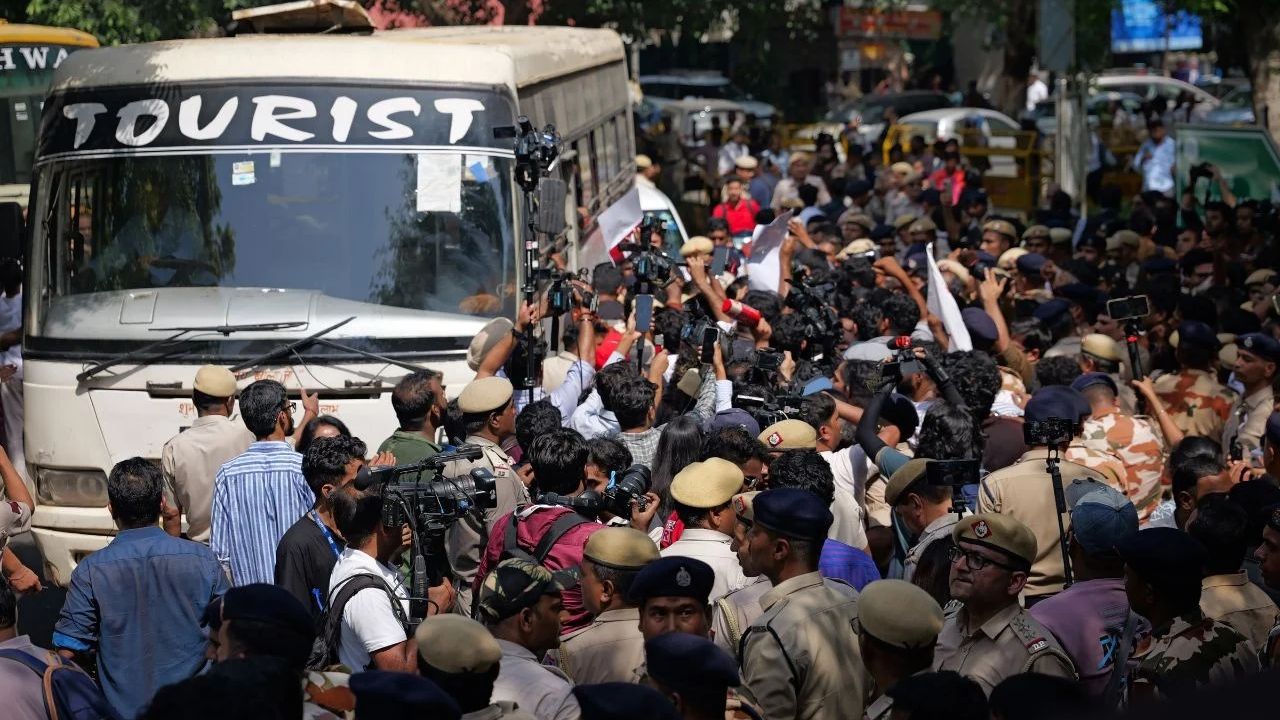
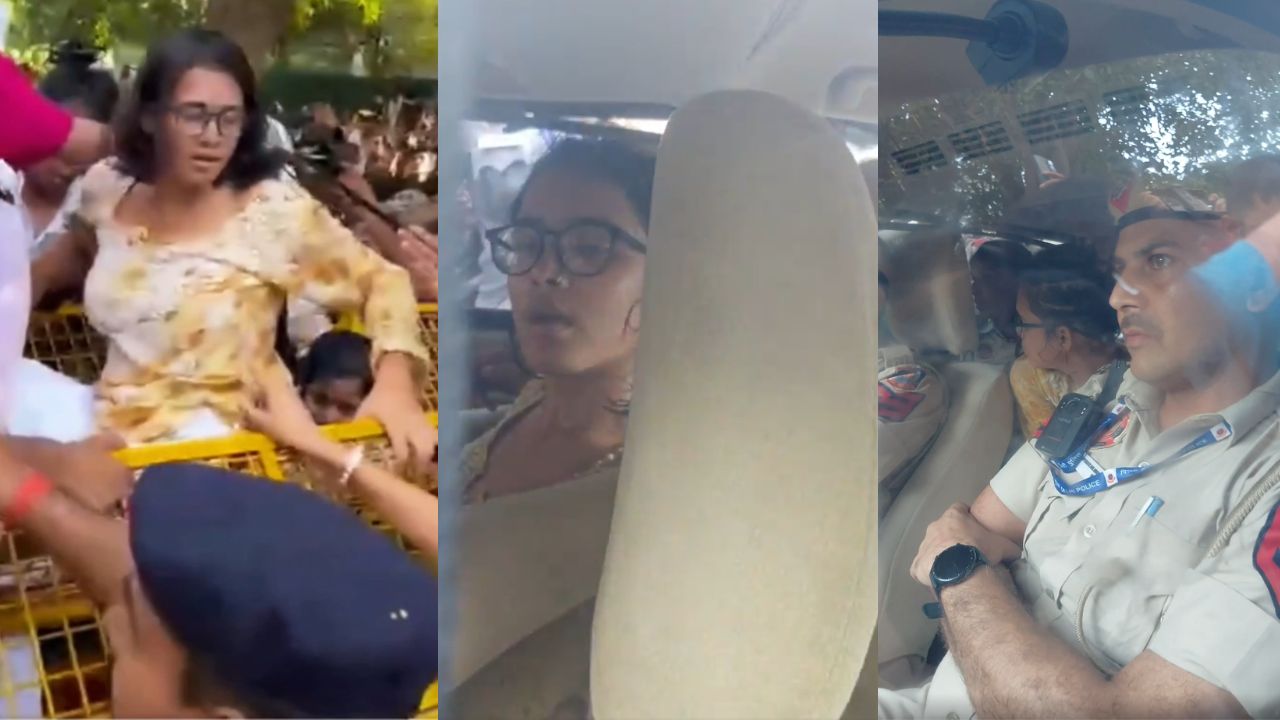
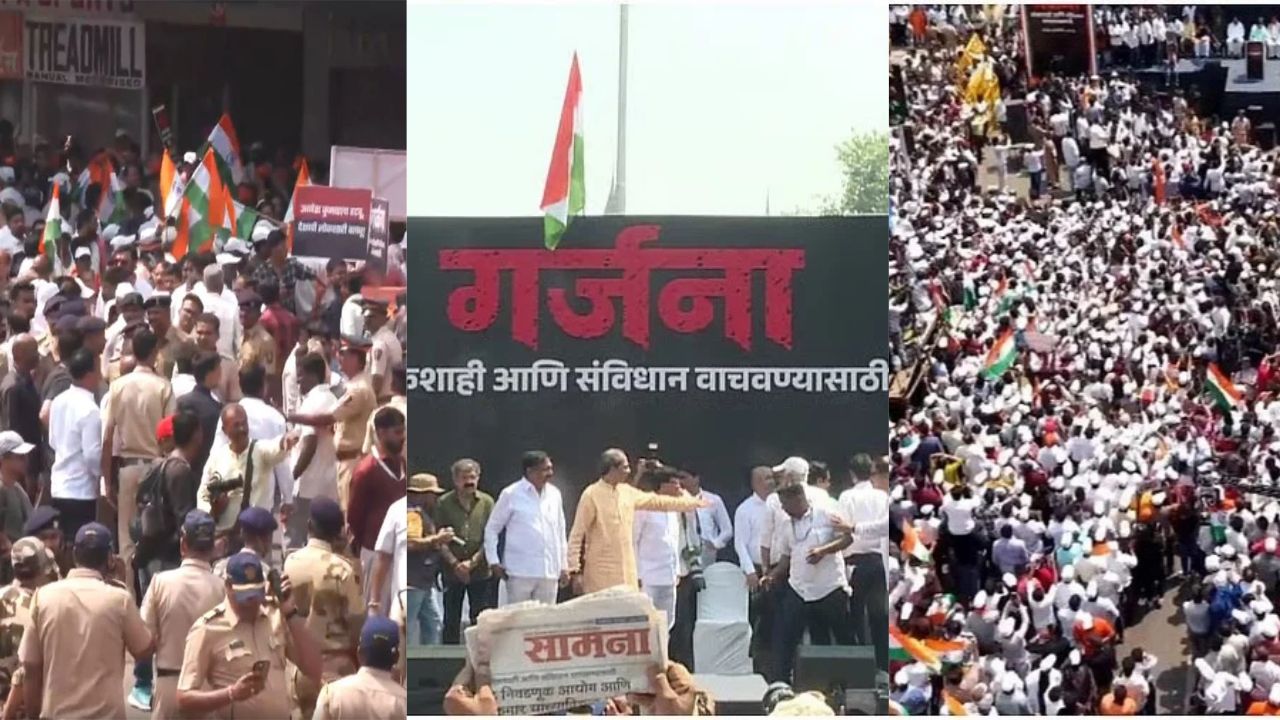
Opposition parties and protest groups have raised allegations concerning the electoral-roll revision process and called for greater scrutiny of the Election Commission. The issue has also generated public demonstrations and competing political narratives over voter rights and the functioning of the poll panel.
At the same time, the Election Commission has maintained that its internal process and SIR-related decisions should be understood in their proper administrative context, including its position that the SIR schedule was decided unanimously.
The competing claims have made the Supreme Court proceedings a closely watched constitutional and electoral issue.
### What Happens Next in the Supreme Court
The immediate next step will be the responses from the Election Commission, the Union government and the other respondents named in the petitions.
The court will then have to assess the records and determine whether any of the disputed decisions were taken contrary to the constitutional or statutory framework governing the Election Commission.
The petitioners are seeking much broader relief, including cancellation of disputed decisions, investigation of the Commission’s technology systems and action against officials allegedly responsible for breaches of duty.
For now, however, the Supreme Court has not suspended Gyanesh Kumar and has not ruled that the allegations against him are established.
Instead, the court has opened the door for a detailed examination of the dispute by seeking responses and records from the concerned authorities.
The case could ultimately become significant not only for the ongoing SIR controversy but also for the broader question of how India’s Election Commission exercises collective constitutional authority, manages electoral rolls and protects the integrity of the voter-registration system.