English
 English
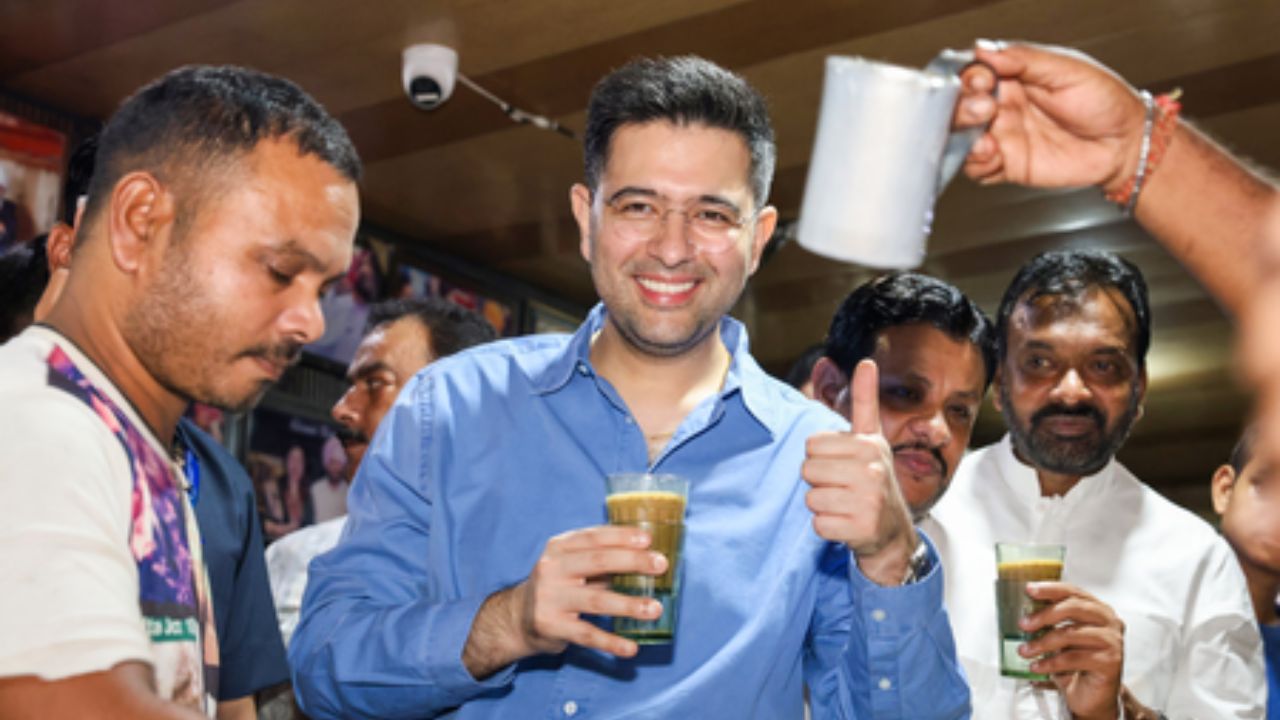
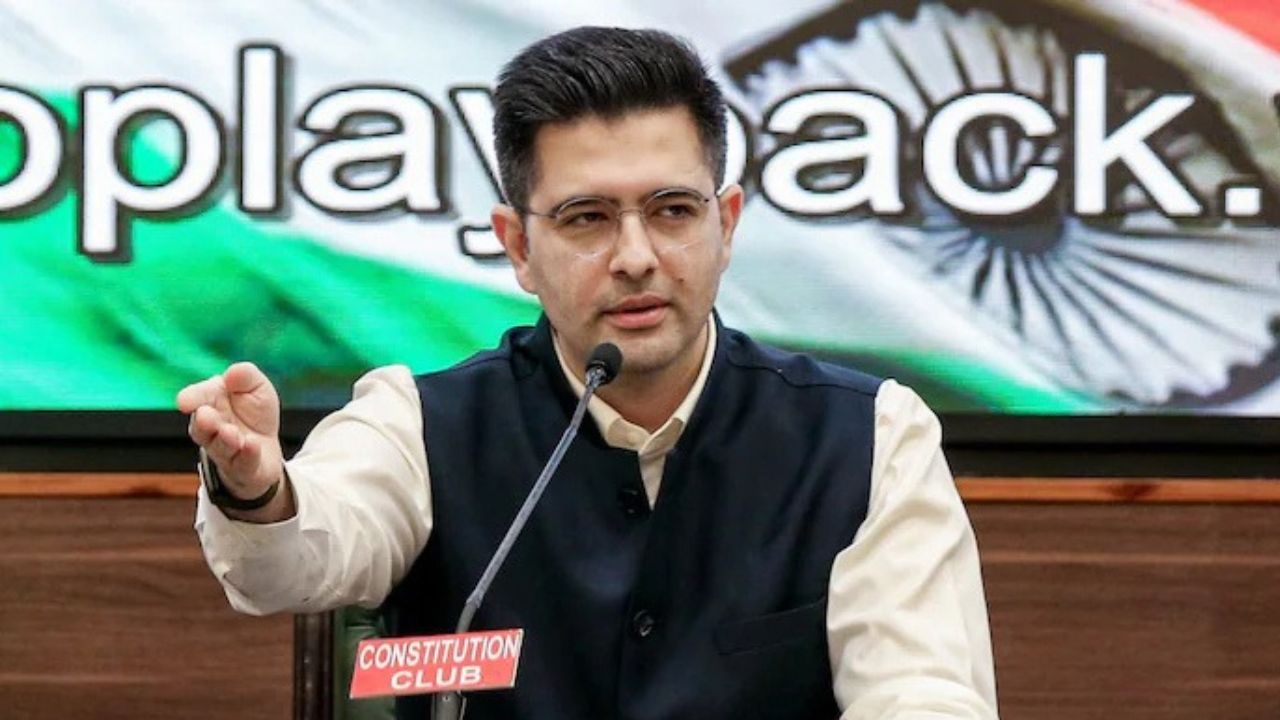
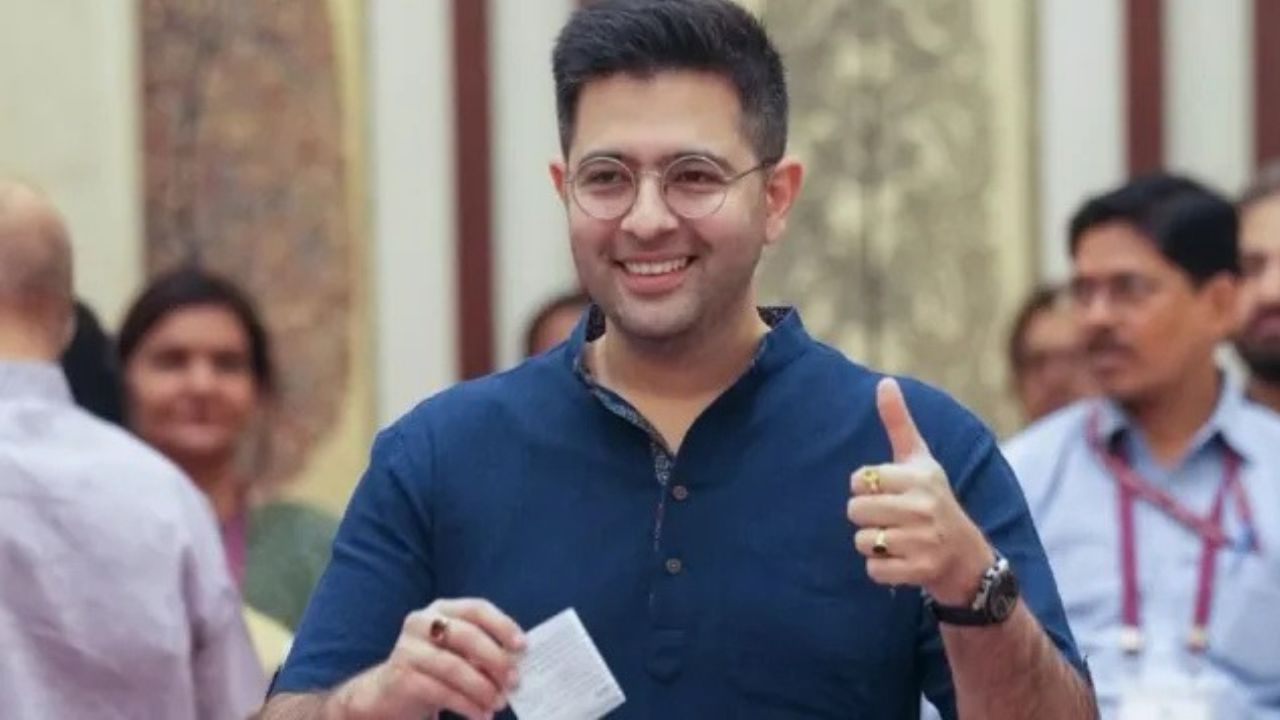
New Delhi: Today’s topic goes beyond a routine political development - it reflects a deeper conflict that surfaces within almost every political party: organization versus personality, discipline versus expression, and power versus dissent. At the center of this discussion is Raghav Chadha, the young and articulate face of the Aam Aadmi Party, once seen as a rising star. Today, however the same leader is at the center of a decision that has raised questions not only about his politics but also about the functioning of the entire party.
Veteran journalist Manoj Tibrewal Aakash, in his popular show 'The MTA Speaks', explains that to understand this entire story, we need to look at the timeline. Over the past few months, Raghav Chadha has been very active in Parliament. He has regularly targeted the government on issues like inflation, unemployment, taxes, corruption, education, health, and data security. His speeches were not just allegations, but were backed by facts, figures, and clear arguments, which kept him in the media spotlight as a strong opposition voice.
This was a period when his political stature was rapidly rising. Both within and outside the party, he was seen as a leader who could elevate the Aam Aadmi Party's stature at the national level in the future. Several political analysts believed that after Arvind Kejriwal, if any leader could take the party forward at the national level, Raghav Chadha was a prime candidate.
But just as his political rise was gaining momentum, a major development took place. The Aam Aadmi Party suddenly removed Raghav Chadha from the post of Deputy Leader in the Rajya Sabha. The move came as a surprise and shocked many. While the party called it a “routine organizational change,” it quickly triggered fresh debates and speculation in political circles.
Now the question arises: was this truly a routine change, or was there a trigger behind it? Sources suggest that some of his recent speeches and his increasing political activism may have caused unease within the party. While there is no official confirmation, the timing certainly raises doubts about the decision.
The position of Deputy Leader in the Rajya Sabha is not merely a ceremonial responsibility. This is the position from which the party's parliamentary strategy is formulated, coordination with the opposition is established, and the direction of the attack against the government is determined. Therefore, removal from this position is seen not merely as a change of position, but as a direct curtailment of political influence.
The same question is being raised in Raghav Chadha's case - has his political power been limited?
Raghav Chadha's response to this decision further deepened the controversy. He released a video message stating that attempts have been made to silence him, but he will not be silenced. He bluntly asked, "Is raising the issues of the common man a crime?" This statement was not merely an outburst, but a major political signal. It signaled that all is not well within the party.
When a leader openly states that he is being silenced, the matter is no longer personal - it becomes a question of the organization's internal democracy.
Delhi government minister Saurabh Bhardwaj launched a scathing attack on Raghav Chadha, calling him a "coward." He alleged that Chadha never strongly fought against the government in Parliament and did not even join the opposition's walkout. This statement was all the more shocking because the two leaders were once considered close to each other.
Meanwhile, Bhagwant Mann supported the party's decision, saying that the organization is bigger than the individual. However, considering this statement merely a formal response may not be the full picture. Political circles are also discussing whether some internal power dynamics between the Delhi and Punjab units played a role in this decision. Is this not just a statement, but a sign that the balance of power within the party is shifting?
This is where another important layer is added to the story. Some political circles are also raising the question of whether Raghav Chadha has somehow shown "ungratefulness." If the party that made him an MLA, gave him national recognition, and elevated him to the Rajya Sabha - the same party that removed him from the post of Deputy Leader for organizational reasons—is such a public protest the right strategy?
This debate has now split into two-one side calling it a "right to raise voice," while the other considers it "against party discipline."
Meanwhile, Atishi's statement further deepens the controversy. Atishi hinted that the role of some leaders was questionable during the party's difficult times. Specifically, when Arvind Kejriwal was arrested, many party leaders were active on the ground, while others were out of the country at the time. Political discussions are linking this to Raghav Chadha, who was in London at the time.
This means that the issue is no longer limited to just removal from office, but appears to be evolving into a debate about "commitment versus position."
And the most striking aspect of this entire development is Arvind Kejriwal's silence. The silence of a leader who typically speaks out on every major issue. Is this silence strategic? Or does it indicate that the decision was made with the consent of the top leadership?
Looking back at the Aam Aadmi Party's history, this isn't the first time that differences have surfaced within the party. Yogendra Yadav, Prashant Bhushan, Kumar Vishwas, Kapil Mishra, Ashutosh, and Swati Maliwal - these are all names that were once prominent figures in the party, but over time, they were either ousted or sidelined.
Over the past decade, more than half a dozen prominent figures have left the party. Each time, the party's argument has been the same: "The organization is the most important." But each time, the same question has arisen: is dissent being accommodated or suppressed?
Another factor that adds to this debate is the removal of the Deputy Leader of the Rajya Sabha, along with questions being raised about the decision-making process within the party. Are decisions being taken collectively or are they limited to the top leadership? This question has now become a part of political analysis.
The most important aspect of this entire controversy is its electoral and strategic implications. The Aam Aadmi Party is currently attempting to expand nationally. After ruling in Delhi and Punjab, the party is looking to strengthen its base in Gujarat, Haryana, and other states. At a time like this, such controversies could harm the party's image of "transparency" and "internal democracy." Opposition parties are also making this an issue and trying to create a narrative that democracy is weakening within the Aam Aadmi Party.
So, what happens next? Will Raghav Chadha continue to raise his voice within the party, or choose to stay silent and plan a comeback? Or could this issue grow into a bigger political conflict? Experts say that if the situation continues, it won’t just affect one position-it could impact the Aam Aadmi Party’s leadership, strategy, and future direction.
And the biggest question remains: does asking questions now come at the cost of losing your position? Or is this just the beginning of a larger political upheaval?