English
 English
New Delhi: The focus is no longer limited to a single law or legislative proposal, but on a potential shift that could redefine India’s political landscape, representation, and democratic structure in the years ahead. The key question is: Will India’s electoral map change entirely after 2029? Can women’s representation in Parliament and state assemblies reach 33% and what lies beneath this proposed shift?
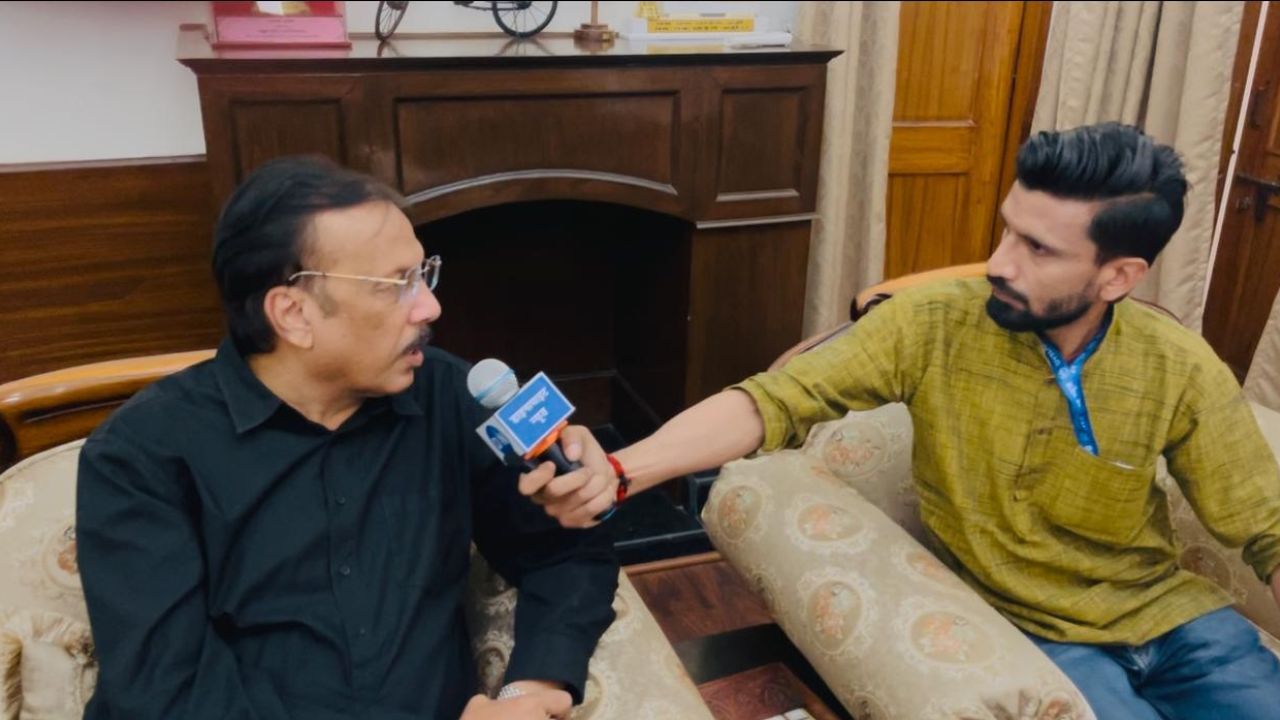
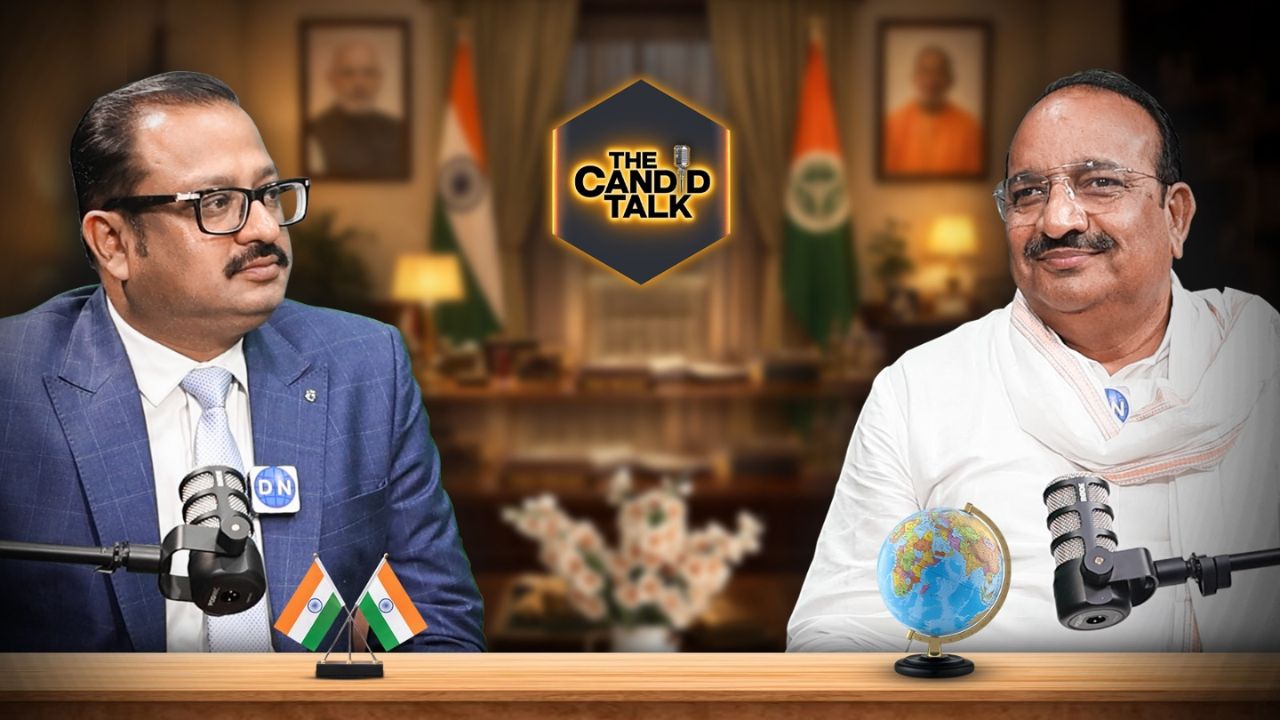
Veteran journalist Manoj Tibrewal Aakash, in his popular show 'The MTA Speaks', offers a sharp analysis of three major legislative moves expected ahead of the 2029 elections- women’s reservation, delimitation, and census reforms.
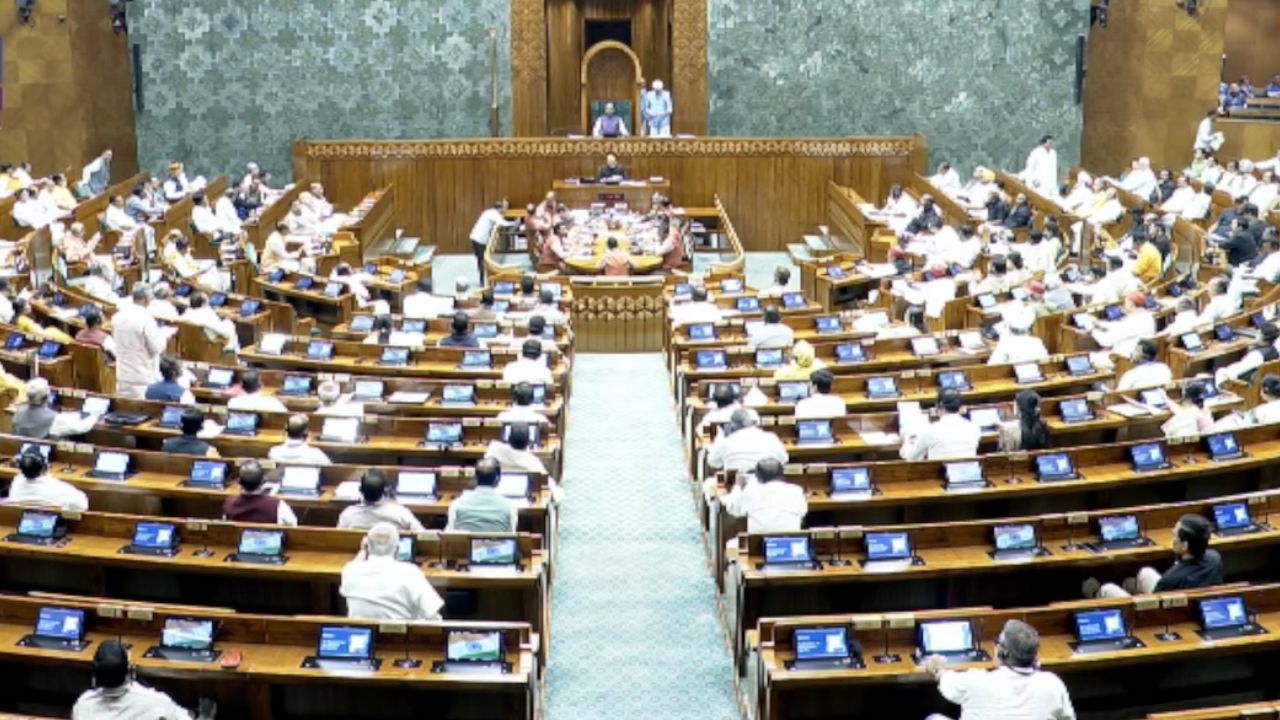
The central government has convened a three-day special session of Parliament (April 16-18), where three critical bills are likely to be introduced:
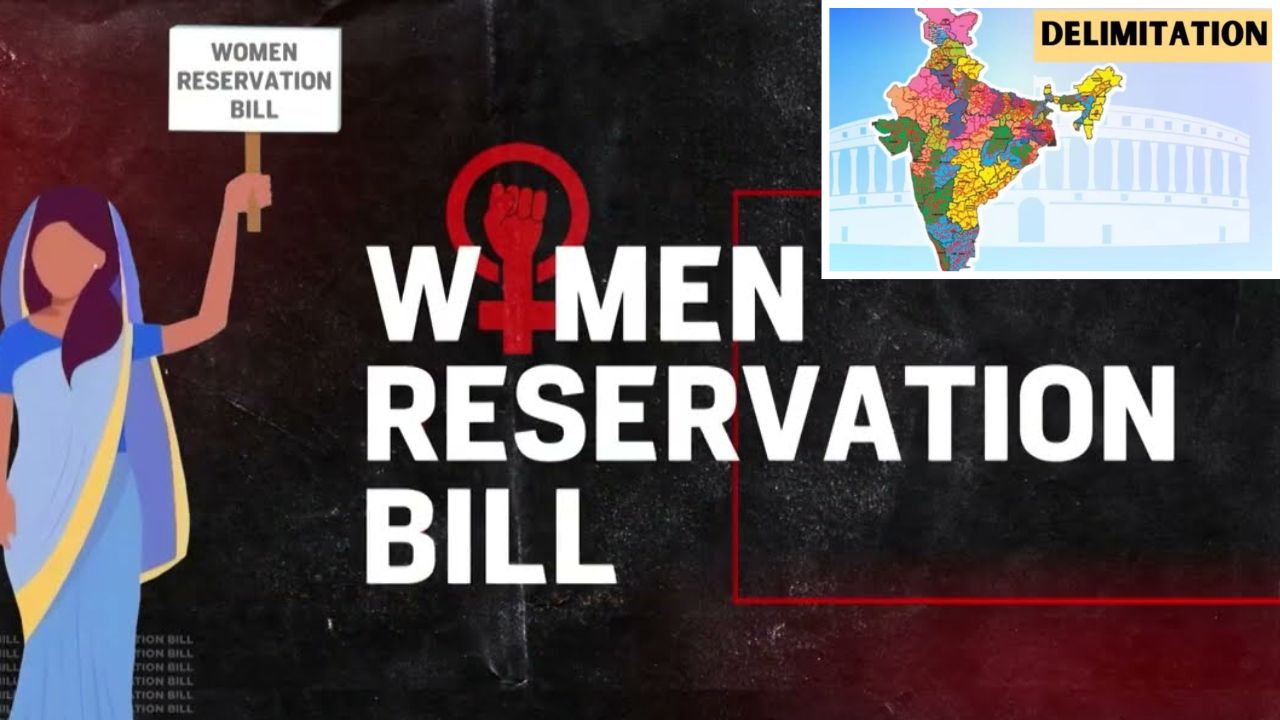
At first glance, these may seem separate, but together they form the foundation of a sweeping political shift. The government’s stated goal is clear: 33% reservation for women in Parliament and all state assemblies by 2029.
However, implementation is far from simple. It requires:
Delimitation refers to redrawing electoral boundaries and redistributing seats. Currently, the 543 Lok Sabha seats are based on the 1971 Census. With massive population changes since then, the government is considering increasing seats possibly up to 850, marking the biggest shift in India’s parliamentary history.
The aim is to correct representation imbalances:
This reform has triggered political tensions:
North vs South Divide: States like Uttar Pradesh and Bihar could gain more seats due to higher population growth, while southern states—despite better population control may see their proportional influence decline.
OBC Women Reservation Debate: Parties like Samajwadi Party argue that within the 33% quota, a separate provision for OBC women is necessary.
Rotation System Impact: Reserved constituencies may change every election, potentially disrupting established political bases and affecting stability.
A delimitation commission- typically headed by a retired Supreme Court judge will oversee the process, involving the Election Commission and state representatives.
Estimated timeline:
Since this involves a constitutional amendment, it requires approval from both Houses of Parliament and at least half of India’s states.
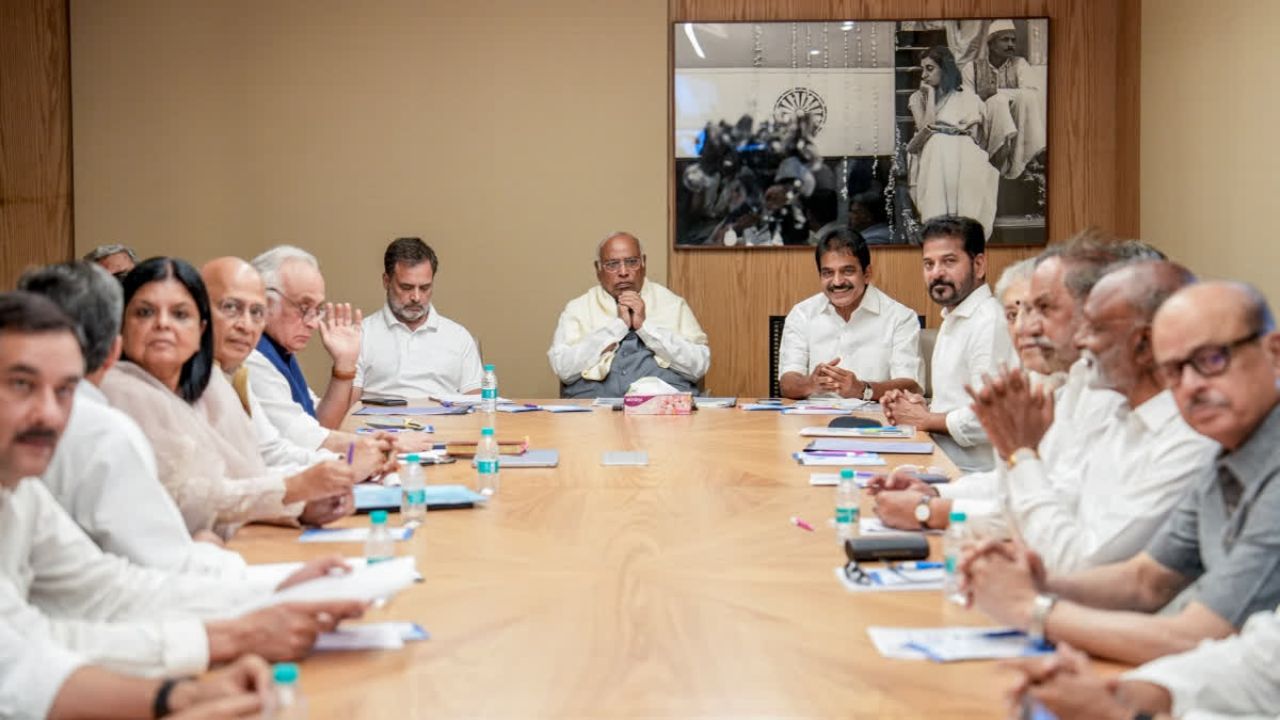
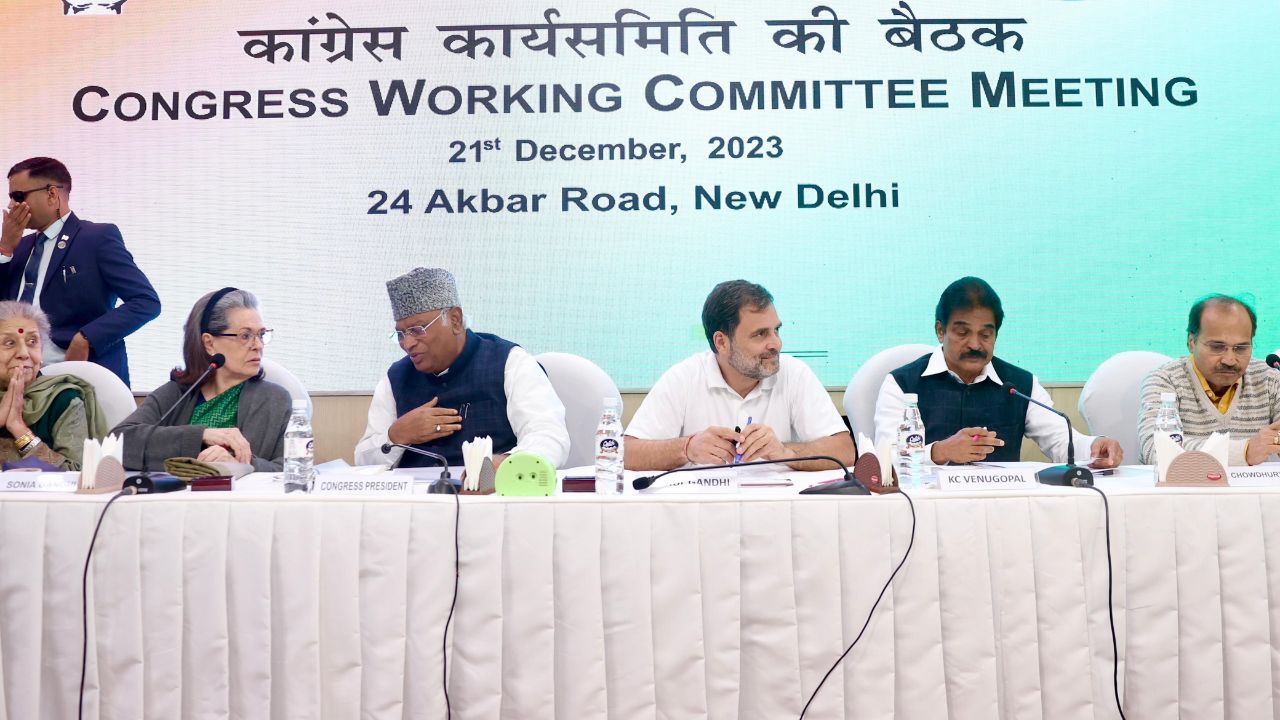
Leaders like Sonia Gandhi support women’s reservation but question why it is tied to delimitation and census, calling it a potential delay tactic.
On the other hand, the government argues that without delimitation, implementing reservation is impractical. Southern leaders such as M. K. Stalin and Revanth Reddy have raised concerns about federal balance and fairness.
At present, women make up only 74 MPs (about 13.6%) in the Lok Sabha. Many state assemblies have even lower representation.
If implemented:
However, experts caution that reservation alone is not enough- true empowerment requires social, economic, and institutional support.
Will this transformation actually happen?
History suggests such sweeping reforms take time, face resistance, and often evolve through political compromise. Yet, if successful, this could mark a historic turning point in Indian democracy reshaping representation, redefining power equations, and amplifying women’s voices in governance.
In essence, women’s reservation is not just a policy- it could become the blueprint for India’s political future.