 English
 English

Will CJP impact the stock market
New Delhi: The ongoing Cockroach Janta Party protest and environment activist Sonam Wangchuk’s hunger strike can not only be observed on the streets, but it can also be seen on the stock market. Investors are keeping a close watch as any escalation could have broader political implications.
The big question is whether this protest will impact the stock chart. However, the ongoing protest has not impacted the charts of Dalal Street, but it still can impact the stock charts any day.
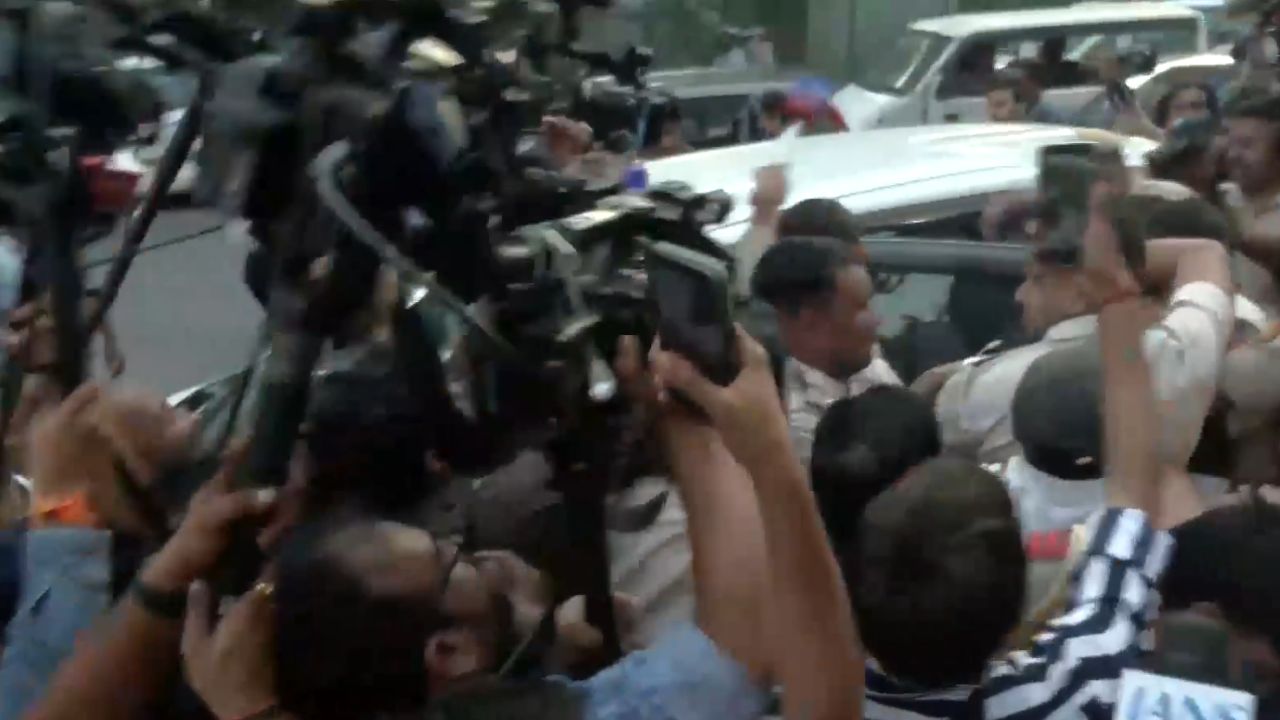
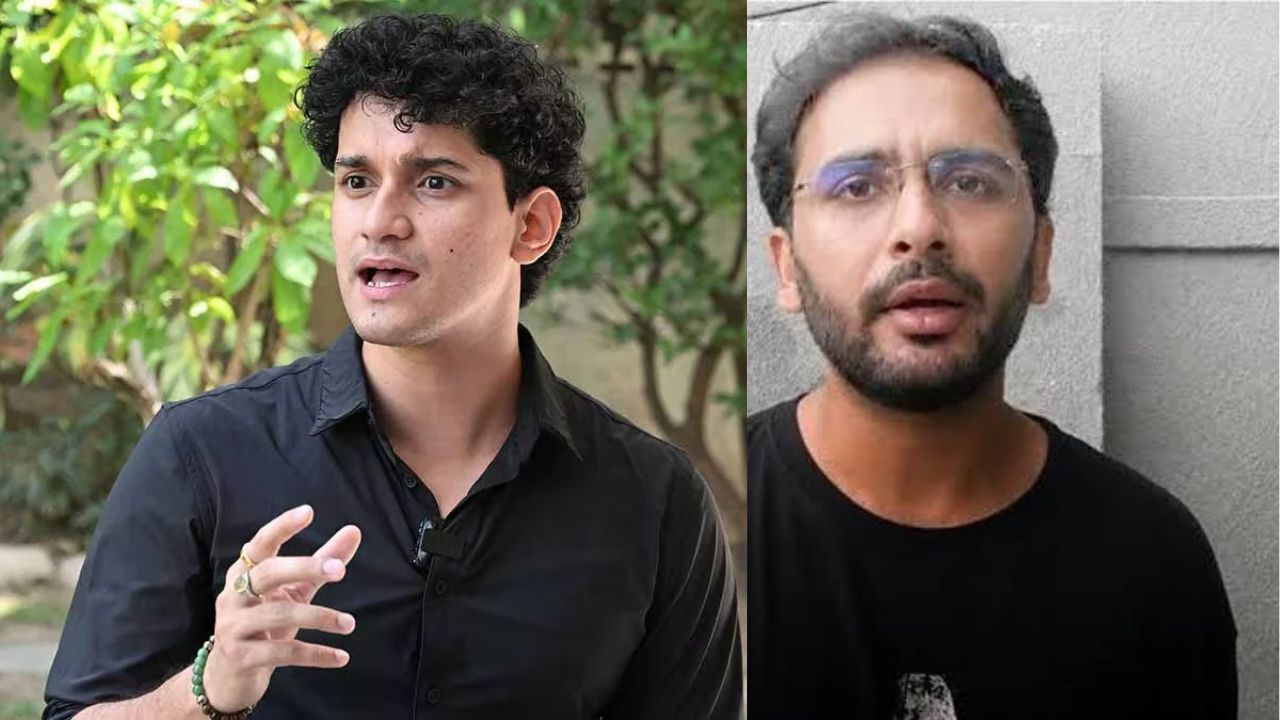
On 20th July 26, the Parliament march of the CJP turned into violent confrontations with police. According to media reports, CJP founder Abhijeet Dipke, spokesperson Saurav Das, Ashutosh Ranka, and Sonam Wangchuk’s wife, Gitanjali Angmo, said that the protest would keep going on until the central government agrees on all the conditions proposed by the CJP and Sonam Wangchuk.
Indian markets have plenty to worry about already, with the Middle East conflict weighing on sentiment. Now there's a domestic wrinkle too: protests in Delhi, and analysts are debating whether foreign investors will start getting nervous.
The nervousness has an obvious source. Bangladesh, Sri Lanka, and Nepal, sustained protests ended up reshaping who holds power. So it's natural to ask whether India could be next. Most market watchers think the comparison doesn't hold up, mainly because India's economic footing looks nothing like theirs did.
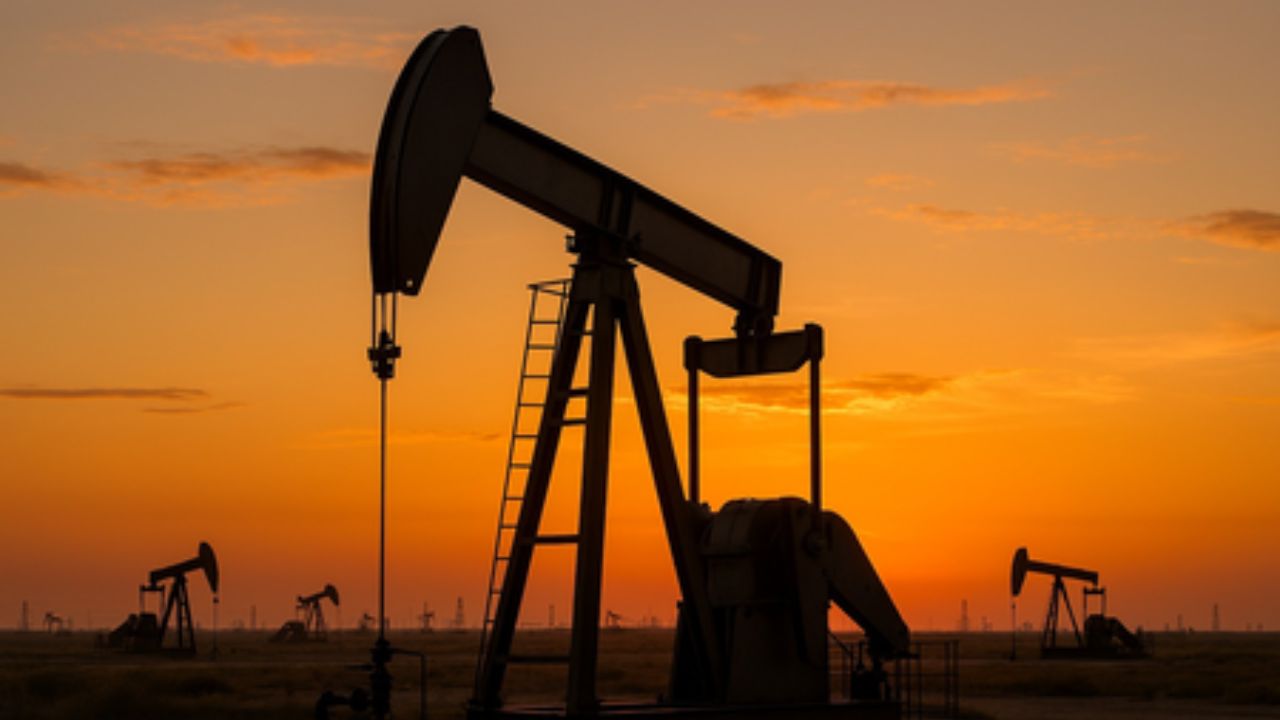
G Chokkalingam of Equinomics Research put it bluntly: the economy isn't facing a supply crisis or runaway inflation, so a nationwide escalation big enough to dent growth is unlikely. His actual worry is oil. If the Middle East conflict drags on for another couple of months and crude climbs past $100 a barrel, that's when things could turn. He doesn't expect the war to last that long, though Iran's economy can't sustain a prolonged fight, and the US would also start feeling it through inflation and slower growth.
Harshal Dasani at INVAsset PMS makes a sharper distinction: what makes headlines and what actually moves an FPI's allocation model are two different things. Foreign investors are really watching four levers: currency stability, whether tax and repatriation policy stays consistent, the fiscal trajectory, and earnings growth. Street protests only matter once they start bleeding into one of those. Right now, he says, they haven't.
He also pushes back on the Sri Lanka/Bangladesh comparison for a structural reason: in both those countries, the economic crisis came first, and the protests followed collapsing reserves, balance-of-payments stress, then the streets. India's story runs the other way. Reserves are near record highs, the current account is under control, and growth for 2026 has actually been revised up to 6.8%. Dasani points to India's own history to back this up: during both the JP movement and the Anna Hazare protests, it was the macro backdrop that actually drove markets (the 1970s oil shock in one case, the global financial crisis and policy paralysis in the other), not the crowds themselves. FPIs pulled back in 2011-13 because reform had stalled and retrospective tax rules spooked them, not because people were protesting.
What FPIs are quietly watching, in his view, is youth unemployment, since that's the real undercurrent of the protests and it eventually shows up in consumption data. Meanwhile, domestic buying has absorbed ₹2.58 lakh crore of FPI selling this year, which acts as a cushion. His base case: investors stay watchful; they don't pull out. The Fed's rate path, oil, and tariffs still matter far more than protests at home.
Nitant Darekar at Bonanza sees it similarly. He describes the Jantar Mantar protest and Sonam Wangchuk's hunger strike as focused accountability demands, not the kind of systemic breakdown that preceded regime change elsewhere. He notes India is sitting on $675.16 billion in forex reserves, the rupee is stable, and Middle East tensions have cooled somewhat. FPIs actually turned net buyers of ₹15,157 crore in July even as the protests intensified. His base case is a negotiated resolution; the real risk to India's rating would be policy paralysis, not the street noise itself.