 English
 English

Iran threatens massive Offensive as Khamenei Killed in US-Israel Strikes
Tehran: Iran’s powerful Islamic Revolutionary Guard Corps has warned that it will launch the “most ferocious offensive operation” in the country’s history following the death of Iran’s Supreme Leader Ali Khamenei in coordinated strikes reportedly carried out by the United States and Israel.
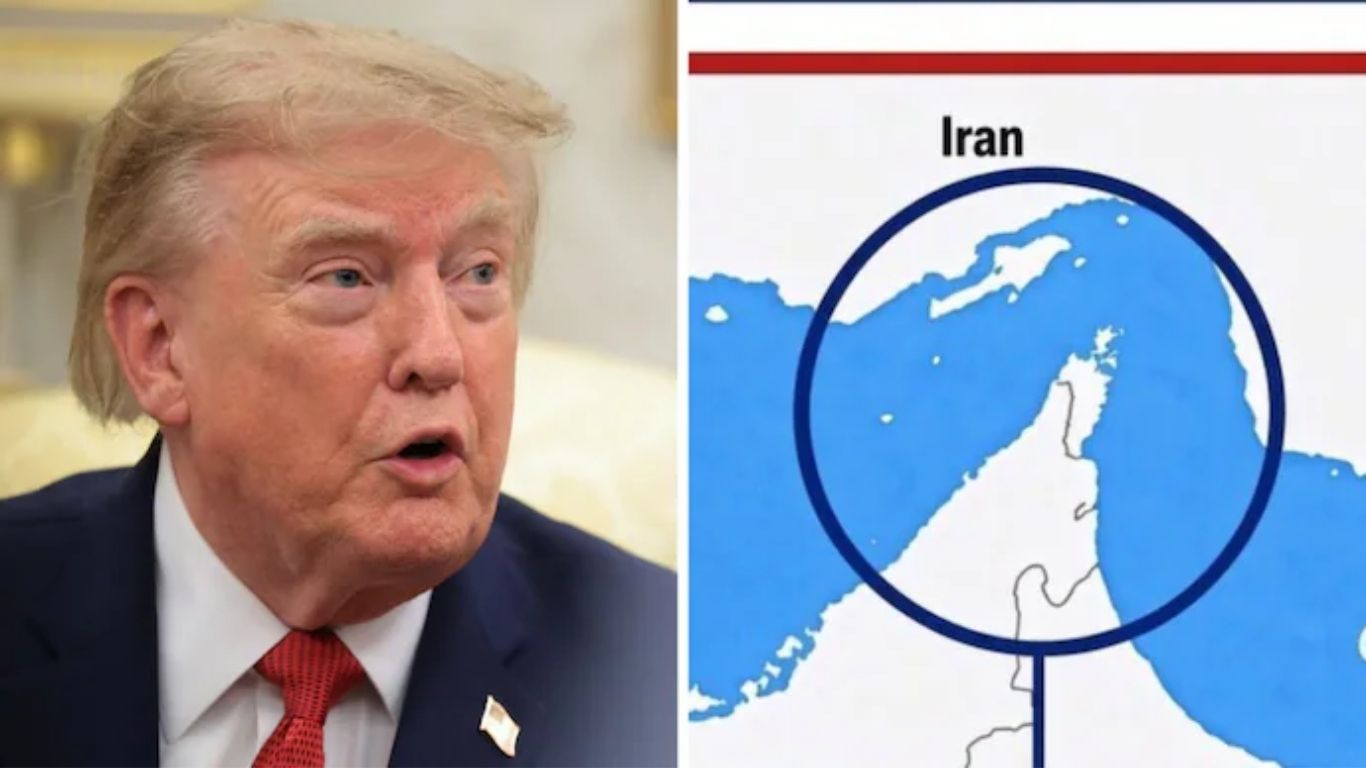
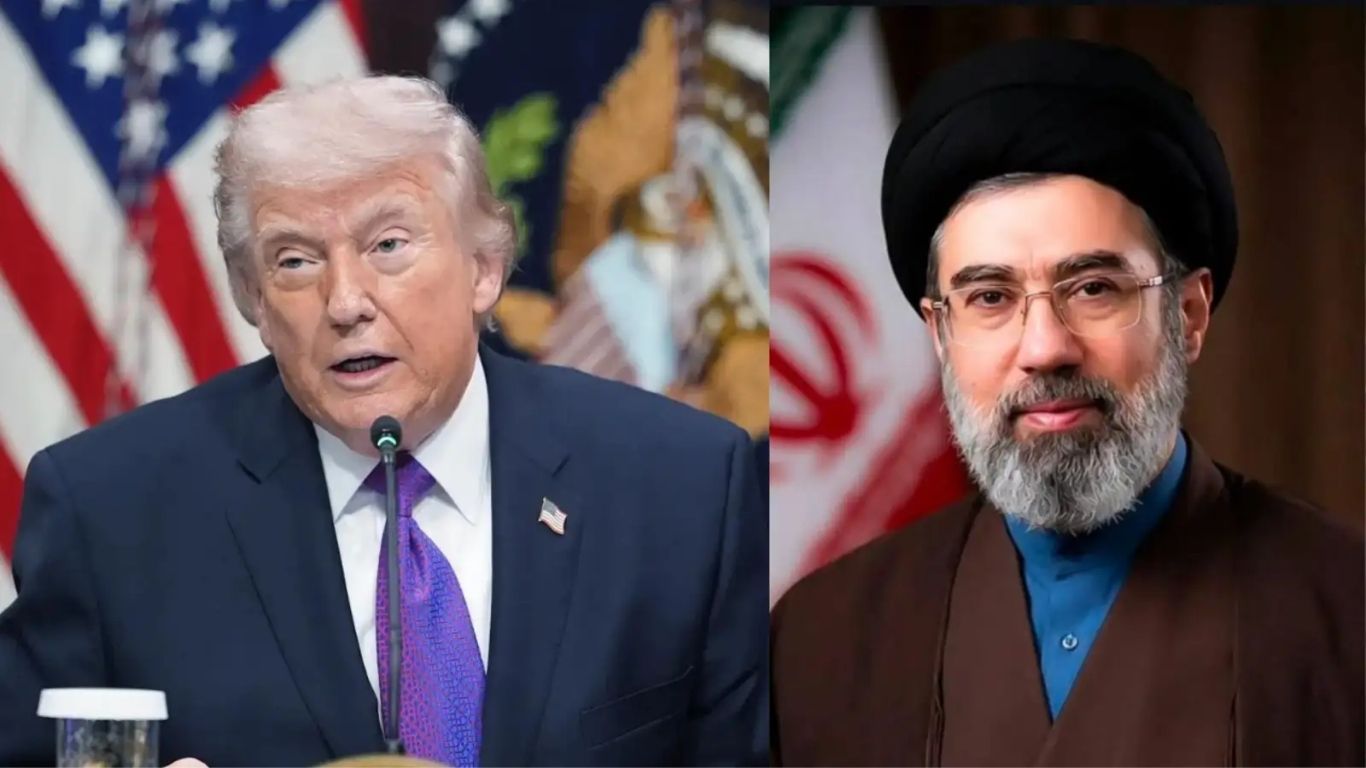
The warning came hours after former US President Donald Trump announced that the 86-year-old cleric had been killed during the attacks.
In a statement shared on messaging platforms, the Islamic Revolutionary Guard Corps vowed to punish those responsible for Khamenei’s death. The group said the upcoming operation would target what it described as “occupied territories” and American military bases across the region.
‘Your War Is Not With Neighbours’: UAE adviser Anwar Gargash warns Iran against escalation
The Guards said the Iranian nation’s “hand of revenge” would deliver a decisive response to those behind the killing of the country’s top leader. Unlike Iran’s regular military, the Revolutionary Guards answer directly to the Supreme Leader and play a major role in shaping the country’s defence and regional strategy.
The attacks that reportedly killed Khamenei were part of a large-scale military operation by the United States and Israel, targeting Iran’s political and military leadership in Tehran.
Reports indicate that several senior Iranian officials were also killed, including top security figures and commanders. Among those reported dead were key defence officials and advisers close to the Supreme Leader. Israeli military officials said the scale of the ongoing operation is significantly larger than previous confrontations with Iran.
The escalating conflict has led several countries across the region to shut their airspace partially or completely. Nations including Iran, Iraq, Kuwait, Syria, the United Arab Emirates, and Israel have restricted civilian air traffic amid rising security concerns.
Airlines have cancelled or diverted multiple flights across the Middle East as governments assess the evolving security situation.
Following the strikes, Donald Trump said the military campaign would continue until Iran’s current leadership collapses. Israeli Prime Minister Benjamin Netanyahu also called on the Iranian public to challenge the ruling establishment.
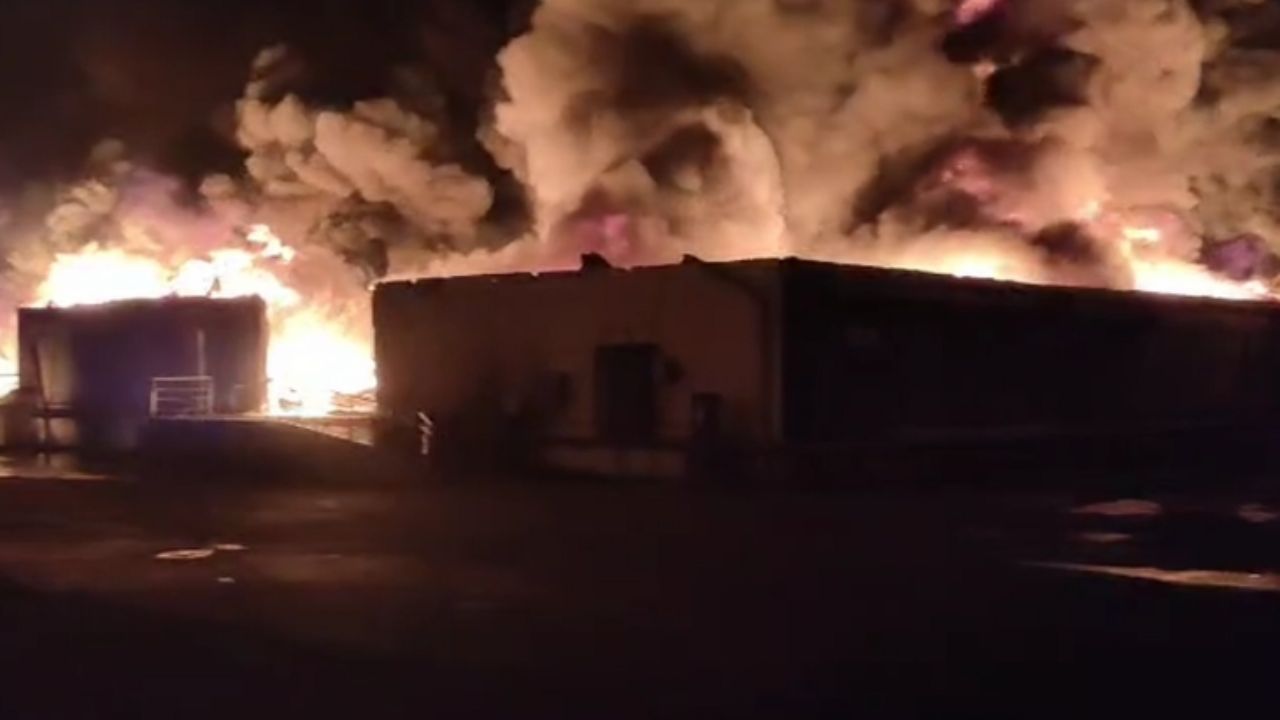
Iran responded with a series of missile and drone attacks targeting Israeli territory and American military facilities in the Gulf region. Explosions were reported in several cities, including Tel Aviv and Abu Dhabi, raising fears that the confrontation could widen into a broader regional war.
With tensions escalating rapidly, global leaders and international organisations are closely monitoring developments as the Middle East faces one of its most volatile crises in decades.