English
Israel attacks Iran
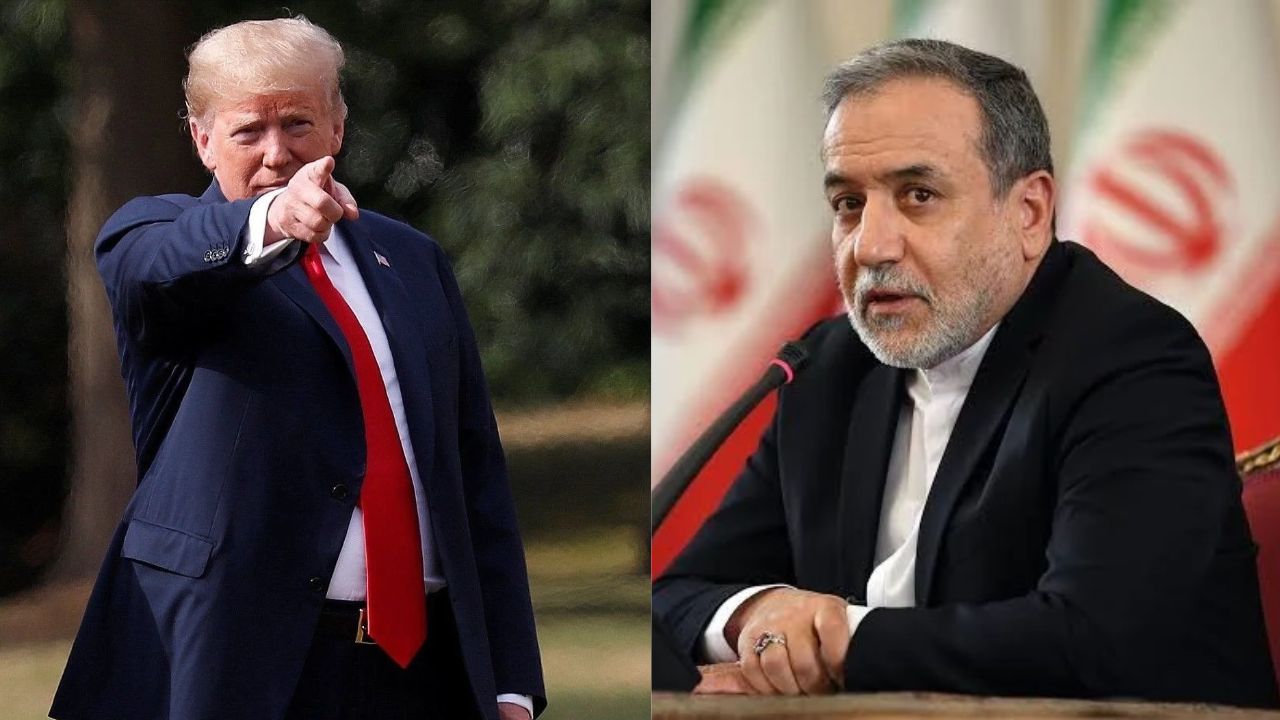
Jerusalem: The Israel Defence Forces (IDF launched a surprise attack on Iran on Saturday. At the time of attack, the IDF sent a national warning to all citizens to stay near protected spaces.
The Iranian state media reported that explosions have been heard in Tehran.
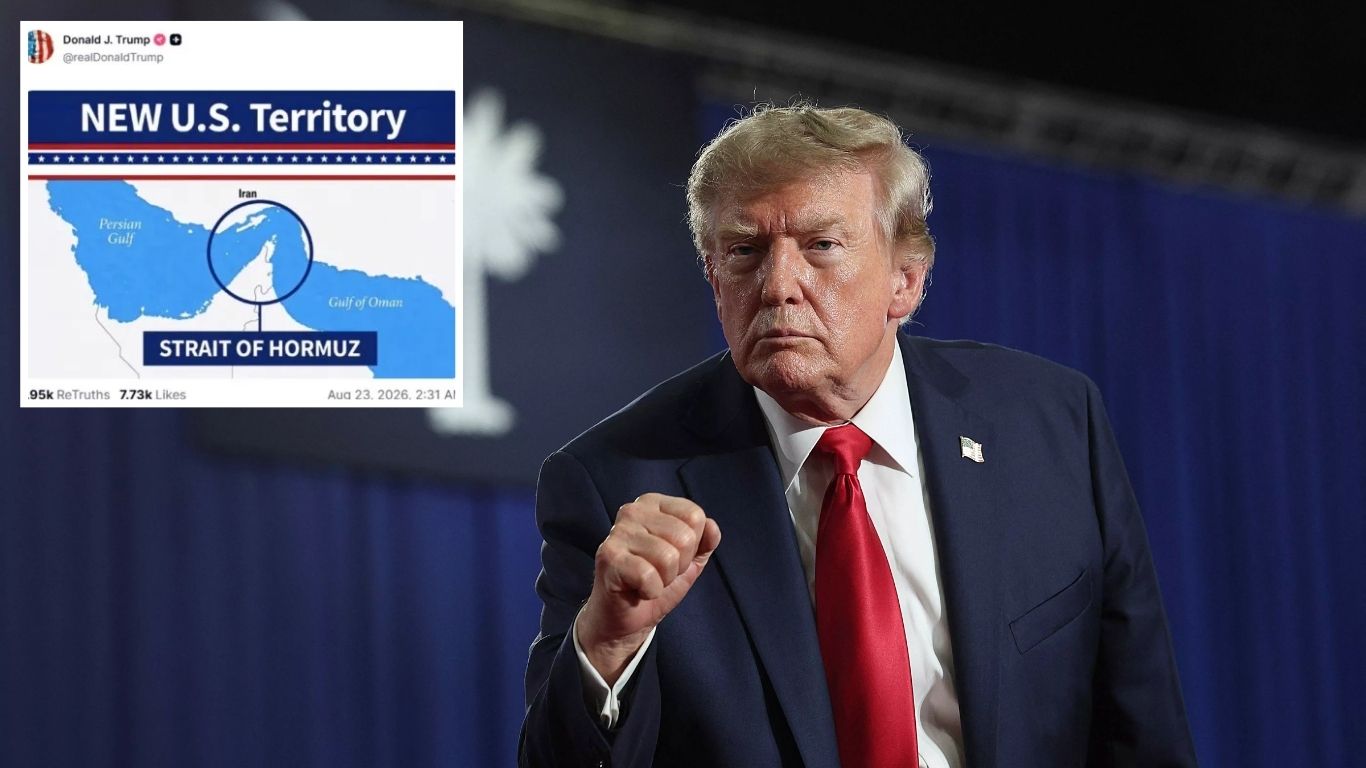
Escalating conflict in the Gulf region could trigger a sharp spike in crude oil prices and severely disrupt global supply chains. The biggest concern is the Strait of Hormuz - the world’s most critical oil transit route. A significant share of global crude exports passes through this narrow waterway, which connects major Gulf producers to international markets.
If Iran were to restrict or close the route, global oil supplies could tighten dramatically, sending prices soaring. Higher crude prices would likely push up petrol and diesel rates in India, adding pressure on inflation and increasing costs across sectors such as transport, manufacturing and logistics.
India imports nearly 85–90% of its crude oil requirements, making it highly vulnerable to global price shocks. Recent data cited by The Print, based on tracking firm Kpler, suggests that around 50% of India’s oil imports are linked to shipments moving through the Strait of Hormuz. As of late February this year, India was importing roughly 2.6 million barrels per day from Gulf nations — underlining its strong reliance on the region.
The Strait is considered the most sensitive energy chokepoint in the world. Roughly one-fifth of global crude oil consumption passes through it. Oil from producers such as Saudi Arabia, Iraq, United Arab Emirates, Kuwait and Qatar flows through this corridor to major Asian buyers including India, China, Japan and South Korea.
According to the US-based Energy Information Administration (EIA), a large share of globally traded crude and liquefied natural gas moves through this route. Any disruption could reduce supply, raise freight and insurance costs, and sharply increase import bills for energy-dependent economies.
A blockage or military escalation in the Strait could:
Push global crude prices higher
Increase India’s oil import bill
Weaken the rupee due to higher dollar demand
Raise petrol and diesel prices
Fuel broader inflation across the economy
Given India’s heavy reliance on imported crude, even a temporary disruption could strain government finances and household budgets.
To reduce risk, India has diversified its crude sourcing in recent years. Apart from Gulf suppliers, it now imports oil from Russia, the United States, West Africa, South and Central America, Mexico, Europe, North Africa, Canada and other Asia-Pacific producers.
However, despite diversification, the Strait of Hormuz remains a vital artery for global energy flows. Any instability in the region could have far-reaching consequences for India and the wider world economy.
Location : Jerusalem
Published : 28 February 2026, 12:16 PM IST
Related News