 English
 English

BJP to stage Secretariat Gherao in Srinagar on September 2 against the Omar Abdullah government
Srinagar: The Bharatiya Janata Party is stepping up its opposition campaign in Jammu and Kashmir with a planned Secretariat Gherao in Srinagar on September 2.
BJP General Secretary (Organisation) Ashok Koul announced the protest, accusing the National Conference-led administration of failing to address several public-centric issues.
The BJP's campaign will focus on the recent electricity tariff increase, alleged lack of transparency in the outsourcing of government jobs and the delay in holding Panchayat and Urban Local Body elections.
The proposed mobilisation is expected to turn these issues into a broader political narrative around governance, unemployment, the cost of living and democratic representation.
The timing of the protest is politically significant. The revised electricity tariff is scheduled to come into force from September 1, just a day before the BJP's proposed Secretariat Gherao.
The BJP is therefore likely to use the tariff revision as an immediate trigger for its street mobilisation, seeking to connect the increase in household electricity bills with broader concerns over the government's economic and administrative policies.
For the opposition party, the protest also provides an opportunity to move its campaign beyond political statements and legislative criticism and take its message directly to the public.
The Joint Electricity Regulatory Commission has approved an approximately 6.83 per cent increase in electricity tariffs in Jammu and Kashmir, effective September 1.
The decision has become a major political flashpoint, with the BJP arguing that consumers will face additional financial pressure because of higher electricity costs.
The issue has particular political resonance because electricity is a basic household requirement and tariff changes directly affect domestic consumers, traders, commercial establishments and industries.
The BJP has accused the Omar Abdullah government of failing to provide the relief it had promised voters and is expected to make the tariff increase one of the central themes of the September 2 protest.
The administration, however, has defended the tariff structure by highlighting the rising cost of power procurement and the subsidies provided to consumers.
This has created a clear political divide: the BJP is focusing on the impact on consumers, while the government is emphasising the financial burden associated with supplying electricity and maintaining subsidies.
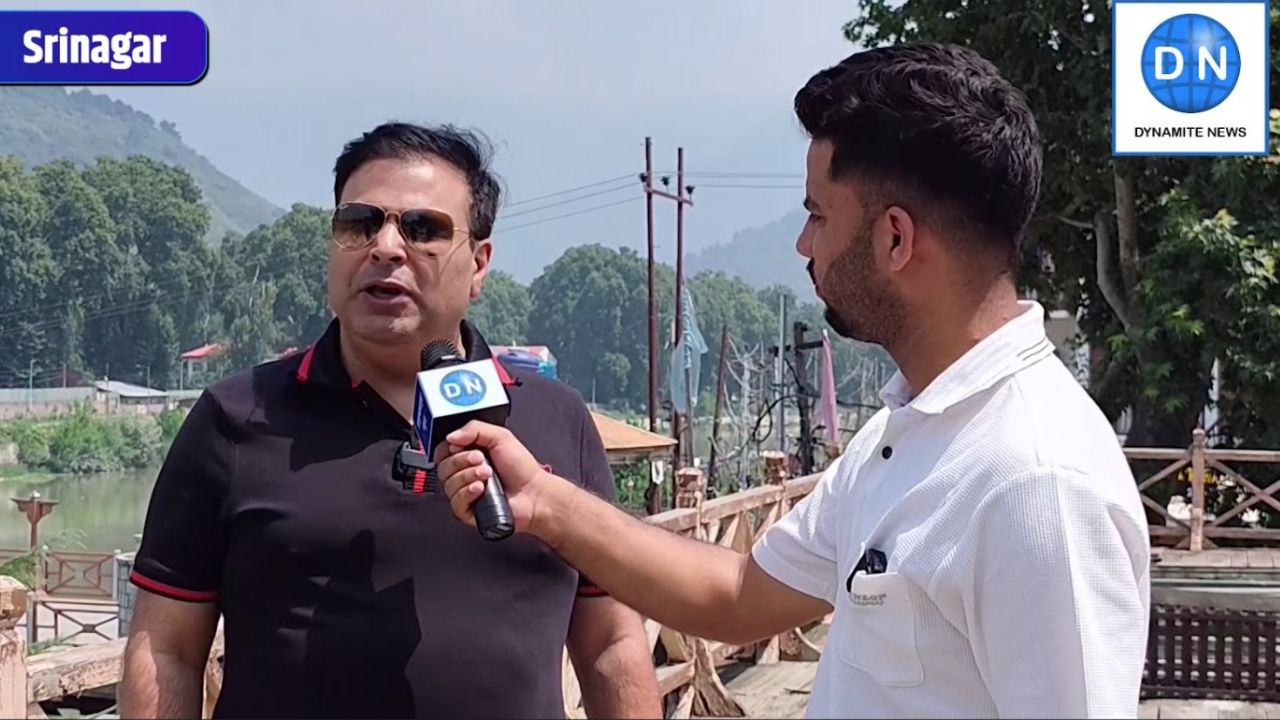
BJP to hold Secretariat Gherao on September 2 in Jammu &Kashmir. BJP J&K General Secretary Ashok Koul announced a Secretariat Gherao against the Omar Abdullah-led government over power tariff hikes, outsourcing of jobs and delay in Panchayat & Urban Local Body elections.… pic.twitter.com/dSUE5Yvucm
— Dynamite News (@DynamiteNews_) August 27, 2026
Unemployment is another major issue being pushed by the BJP. Koul has questioned the government's policy of outsourcing government jobs and alleged that the process could undermine transparency in recruitment.
The BJP has demanded clarity over the number of posts being outsourced, the agencies involved, the eligibility criteria, the selection process and safeguards to ensure that unemployed youth are not denied a fair opportunity.
The allegations are politically sensitive in Jammu and Kashmir, where government employment remains an important aspiration among educated young people.
The BJP has sought an explanation from the administration on whether outsourced recruitment follows transparent and merit-based procedures. The government has not accepted the BJP's allegations of irregularities.
The controversy could nevertheless put the administration under pressure to disclose more information about outsourcing arrangements and demonstrate that recruitment is being conducted within the applicable legal and administrative framework.
The BJP has also put the delay in Panchayat and Urban Local Body elections on its protest agenda. Local elections are central to decentralised governance because Panchayats and municipal bodies provide an institutional mechanism for addressing issues involving roads, sanitation, local infrastructure, welfare delivery and community development.
The BJP argues that delays in holding these elections leave a democratic vacuum at the grassroots and weaken citizens' direct participation in local governance.
The issue has a political dimension as well. Panchayat and municipal elections can provide parties with an important measure of grassroots support and allow them to expand their organisational networks beyond the Assembly level.
By making the elections part of its Secretariat protest, the BJP is attempting to frame the issue as one of democratic accountability rather than merely an administrative delay.
The September 2 mobilisation appears designed to bring several separate grievances under one political umbrella.
Electricity prices affect households and businesses. Employment concerns resonate with young voters. Allegations surrounding outsourced jobs raise questions about transparency, while delayed local elections touch upon democratic participation.
By combining these issues, the BJP is attempting to create a broader anti-incumbency narrative against the Omar Abdullah government.
The protest will also provide the party with an opportunity to demonstrate organisational strength and mobilising capacity in Jammu and Kashmir.
For an opposition party, a high-profile street demonstration can generate political visibility, attract media attention and help convert individual public grievances into a collective campaign.
The National Conference-led government has defended the electricity tariff decision by pointing to the increasing cost of power procurement and supply.
The administration has also stressed that consumers continue to receive substantial government subsidies.
The government's argument is based largely on the financial pressures facing the power sector, while the BJP's political campaign is centred on affordability and the direct impact of tariff increases on consumers.
The dispute reflects a larger structural challenge for Jammu and Kashmir's electricity sector, where the cost of procuring power, distribution losses, revenue collection and government subsidies remain important policy concerns.
The September 2 protest could therefore push the tariff issue beyond partisan politics and into a wider public debate about the financial sustainability and affordability of electricity in the Union Territory.
The proposed Secretariat Gherao comes against the backdrop of a broader political contest between the BJP and the National Conference.
The National Conference returned to power following the 2024 Jammu and Kashmir Assembly elections, with Omar Abdullah becoming Chief Minister. The BJP remained a dominant political force in the Jammu region and has continued to challenge the government on governance and policy issues.
The two parties have sharply differed on several matters, including development, statehood, administrative powers and governance.
The latest protest gives the BJP an opportunity to bring these wider political differences together with issues that have an immediate impact on people's daily lives.
For the Omar Abdullah government, the challenge will be to prevent the BJP's campaign from developing into a wider public perception of administrative failure while defending its decisions on electricity, recruitment and local governance.
A protest directed at the Secretariat carries considerable political symbolism.
The Civil Secretariat represents the administrative centre of Jammu and Kashmir. Seeking to gherao the seat of government is therefore intended to project the image of an opposition party directly challenging the administration over its governance record.
The September 2 event could become a major political show of strength if the BJP succeeds in mobilising a large number of party workers and supporters.
At the same time, authorities will have to manage security and public-order concerns while ensuring that government functioning and movement in Srinagar are not significantly disrupted.
The significance of the BJP's campaign lies in its focus on issues with a direct public impact. For a household, an electricity tariff increase translates into a higher monthly bill. For an unemployed graduate, questions over outsourced government positions raise concerns about access to stable employment. For residents in villages and towns, delayed local elections can mean the absence of elected representatives to raise local problems.
This combination gives the BJP a potentially powerful political message because it connects macro-level governance issues with everyday concerns. Whether that message translates into broader public support will depend on the scale of the September 2 mobilisation and the government's ability to respond effectively.
The immediate focus will be on the BJP's preparations for the September 2 Secretariat Gherao and the administration's security and public-order arrangements. The electricity tariff revision taking effect on September 1 is likely to remain the BJP's strongest immediate talking point.
The government could also face renewed demands for greater transparency in outsourced recruitment and a clear timetable for Panchayat and Urban Local Body elections.
The September 2 protest is shaping up as an important political test in Jammu and Kashmir. For the BJP, it is an attempt to turn public grievances into an organised opposition campaign. For the Omar Abdullah government, it will be a test of its ability to defend its policy decisions and contain growing political pressure on issues affecting consumers, job seekers and grassroots democracy.