 English
 English

Delhi cancer registry (Img Ai Generated)
New Delhi: Despite having a cancer registry system in place for nearly four decades, Delhi has not yet classified cancer as a mandatorily notifiable disease. This means hospitals and healthcare institutions are not legally required to report every newly detected cancer case to government authorities, creating challenges in maintaining a complete picture of the disease burden.
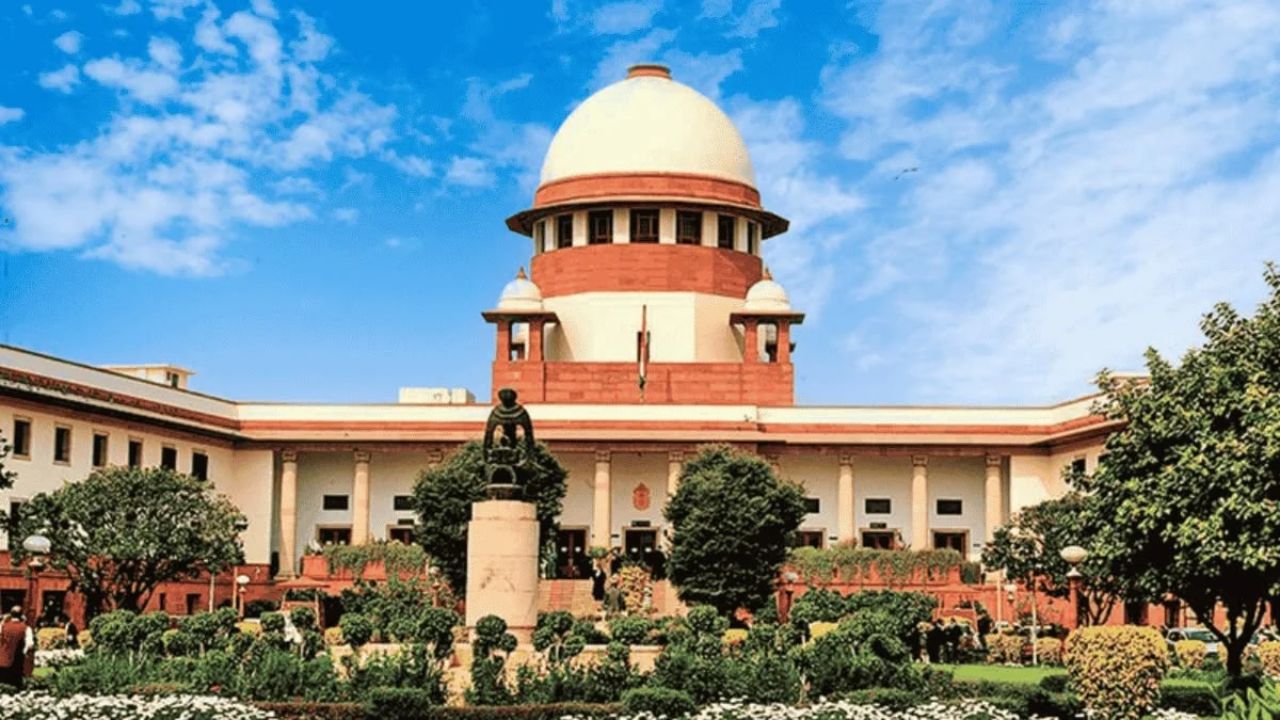
The issue has gained renewed attention after the Supreme Court highlighted the need for a more structured and uniform cancer reporting mechanism across the country.
According to the Delhi Health Department, the Delhi Cancer Registry has been operating through the Dr. B.R. Ambedkar Institute Rotary Cancer Hospital at AIIMS since 2014.
The population-based cancer registry collects and maintains records of cancer cases detected among Delhi’s residents. Data is gathered from a wide network of healthcare facilities, including more than 175 government hospital centres and around 250 private hospitals and nursing homes.
The registry is connected with the National Cancer Registry Programme, with data quality assessment and analysis managed nationally by the ICMR-National Centre for Disease Informatics and Research.
On August 11, the Supreme Court directed 19 states and Union Territories that currently do not have mandatory cancer reporting systems to consider implementing such a framework.
Cancer has already been declared a notifiable disease in 17 out of 36 states and Union Territories. The Supreme Court also sought clarity on whether the Centre could introduce uniform guidelines to ensure a standardised reporting system across all regions.
Data from the ICMR’s National Cancer Registry Programme, presented by the Union Ministry of Health and Family Welfare in Parliament, indicates a steady rise in projected cancer cases in Delhi.
The estimated number of new cancer cases increased from 25,969 in 2021 to 26,735 in 2022, 27,561 in 2023, 28,387 in 2024, and is projected to reach 29,238 cases in 2025.
Health experts believe mandatory reporting would significantly improve cancer surveillance by bringing private hospitals, diagnostic centres, pathology laboratories, and cancer treatment facilities into a unified reporting framework.
A compulsory and time-bound reporting system would help authorities understand the actual cancer burden, identify regional trends, study different cancer patterns, and improve planning for screening, diagnosis, and treatment infrastructure.
The Indian Cancer Society has also advocated for a unified national reporting mechanism instead of separate state-level systems. Experts argue that strengthening the existing National Cancer Registry Programme through standardised and timely reporting would be more effective than creating new independent registries.
The proposed framework aims to ensure that every new cancer case is documented accurately, helping policymakers develop better prevention strategies and healthcare interventions.